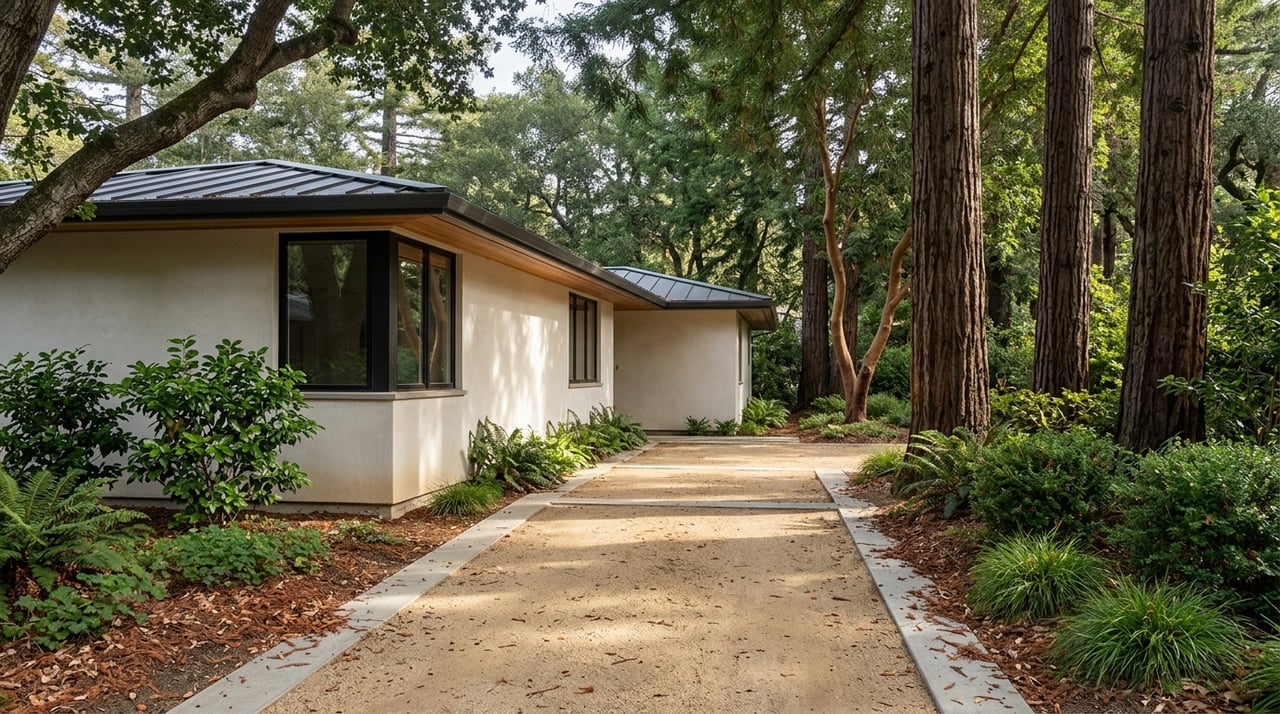
If you are looking for a Peninsula town where redwood groves, riding trails, and open land shape daily life, Woodside stands apart. This is a place where the setting is not just scenery, but part of how people spend their time, care for their property, and connect with the community. If you want a clearer feel for what living here is really like, this guide will walk you through Woodside’s outdoor spaces, horse culture, village center, and home settings. Let’s dive in.
Woodside feels rural by design
Woodside is a small San Mateo County town with a 2020 population of 5,309 spread across 11.47 square miles. Town documents describe it as a small, rural, primarily residential community, and that language matches what many people notice right away.
Planning policies in Woodside emphasize preserving rural character and open space. That focus shapes the look of the town, from natural hillsides and wooded areas to a built environment that is intended to sit lightly on the land.
Redwoods and trails are part of daily life
One of the biggest lifestyle draws in Woodside is how close you are to nature. Instead of treating open space as something off in the distance, Woodside folds it into everyday living.
The Town’s Backyard Habitat Program describes local open space broadly, including mountainsides, oak-studded hills, streamside areas, scenic roads, and backyard habitat. The Town also notes that Woodside is almost completely surrounded by natural habitat, which helps explain why the landscape feels so connected.
Huddart Park offers classic Woodside scenery
Huddart Park is one of Woodside’s signature outdoor destinations. San Mateo County describes it as a place of forested slopes, cool canyons, grassy meadows, barbecue areas, a playground, and a network of hiking and riding trails.
The county says Huddart has been public parkland since 1944, and its trail system still reflects the area’s logging-era history. For you, that means access to a setting that feels established, shaded, and deeply tied to the local landscape.
Wunderlich Park blends history and riding
Wunderlich Park adds another layer to Woodside’s outdoor identity. The park includes redwood forest, open meadows, oaks, and madrones, along with hiking and horseback riding routes.
The restored Folger Stable gives the park a distinct equestrian and historic character. If you are drawn to places where local history and outdoor recreation meet, this is one of the clearest examples in town.
Skyline-area preserves expand your options
Woodside’s lifestyle is not limited to one or two parks. The surrounding preserve network gives you a wider range of ways to spend time outdoors, whether you prefer a short outing or a longer trail day.
Midpen notes that Thornewood offers easy hikes or horseback rides in the hills above Woodside. Windy Hill features open grassland ridges along with redwood, fir, and oak forests, while Long Ridge is popular with hikers, cyclists, and equestrians. Midpen’s horseback-riding guide also highlights South Skyline preserves such as Skyline Ridge for equestrian access.
Horse culture is woven into the town
In some places, horses are part of the image. In Woodside, they are part of real daily life.
The Town’s horse guide says many residents keep horses or have horse-capable property. The Town also highlights horse-related local resources such as The Horse Park at Woodside, WHOA!, Woodside Pony Club, and Woodside Vaulters, which reinforces how established this part of local life is.
The Horse Park adds year-round activity
The Horse Park at Woodside is a 270-plus-acre equestrian facility with arenas, trails, training, and a show calendar. That kind of facility supports riding as an ongoing part of the community, not just a seasonal activity.
For buyers who value equestrian access or simply appreciate the character it brings to a town, this is a meaningful part of Woodside’s identity. It helps explain why horse-friendly properties and riding infrastructure feel so natural here.
Day of the Horse reflects local traditions
Woodside’s calendar also reflects this equestrian culture. The Town lists Day of the Horse as a family-fun horse fair near Town Hall that draws more than 1,000 people.
That kind of event says a lot about a place. It shows that riding culture in Woodside is visible, shared, and supported as part of the broader community experience.
The town center stays village-scaled
Woodside is not built around a large commercial district. Its Town Center functions more like a village hub, which shapes the pace and feel of everyday errands and meetups.
According to the Town Center FAQ, the roughly 17-acre center includes a grocery store, hardware store, several restaurants, shops, offices, and Town Hall. Town records also identify Cañada Corners as a commercial center with outdoor dining areas for Buck’s Restaurant and the Village Bakery and Café.
What matters most is the pattern. Woodside offers familiar local gathering places rather than a large restaurant strip, which fits the town’s rural and residential character.
Arts, gardens, and local history add depth
Woodside’s lifestyle is not only about trails and riding. The town also offers cultural and historic destinations that add variety to weekends and daily routines.
The Arts & Culture Committee supports locally relevant programming across fields that include photography, design, music, horticulture, culinary arts, literature, natural history, drama, and dance. The committee also includes recurring First Friday events, giving residents another way to connect locally.
Filoli is a major local destination
Filoli is one of Woodside’s best-known cultural landmarks. It is open daily on Cañada Road and describes itself as a historic house and garden with a 16-acre formal garden and more than 600 acres of protected watershed.
That mix of garden design, history, and preserved land fits naturally with the broader Woodside lifestyle. It offers another way to enjoy the town’s strong connection to landscape and stewardship.
The Woodside Store preserves local history
The historic Woodside Store is another notable stop in town. It preserves a restored 19th-century general store, post office, and dental office.
For anyone trying to understand Woodside beyond current listings and street views, places like this help tell the story of how the town developed and why its village character still feels distinct today.
Homes often reflect the land around them
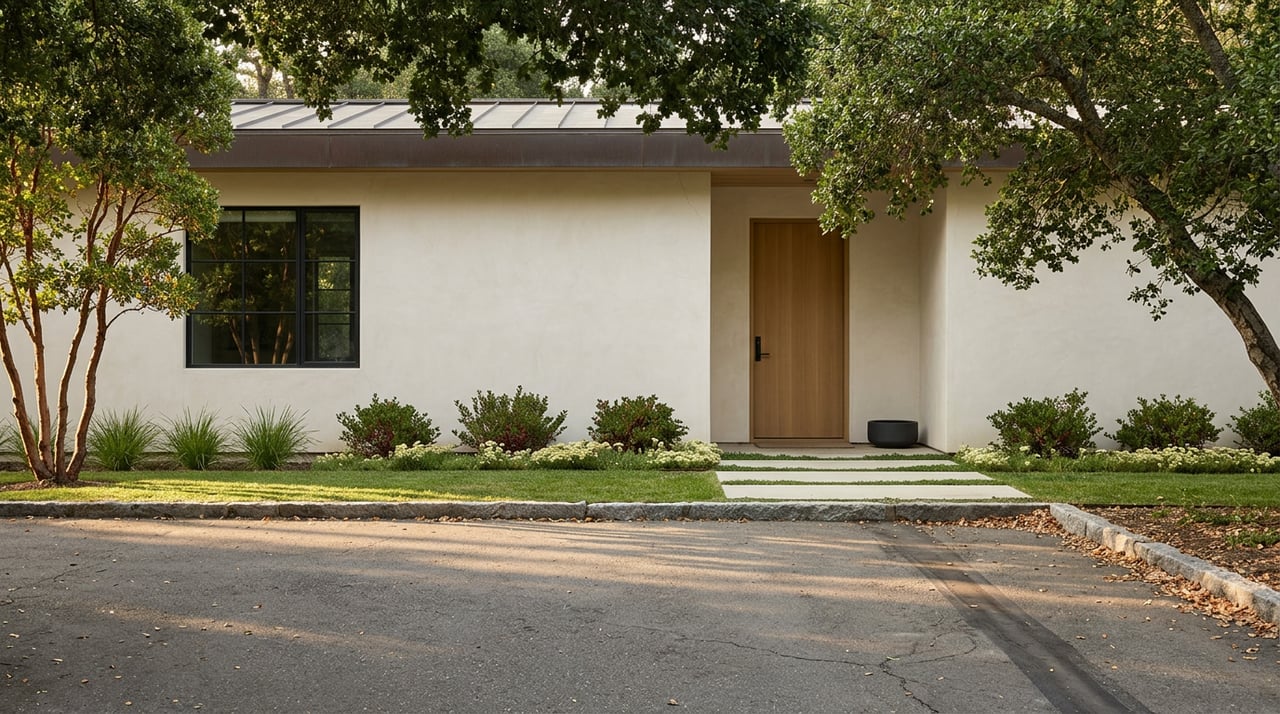
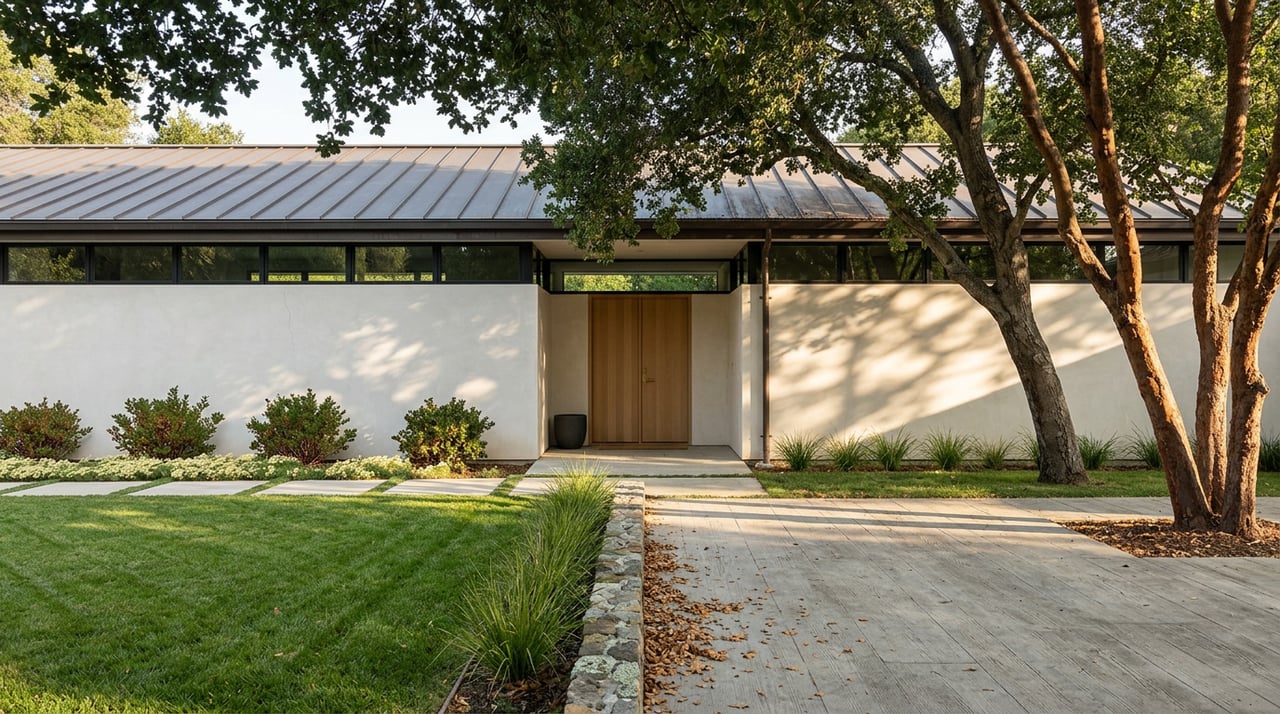
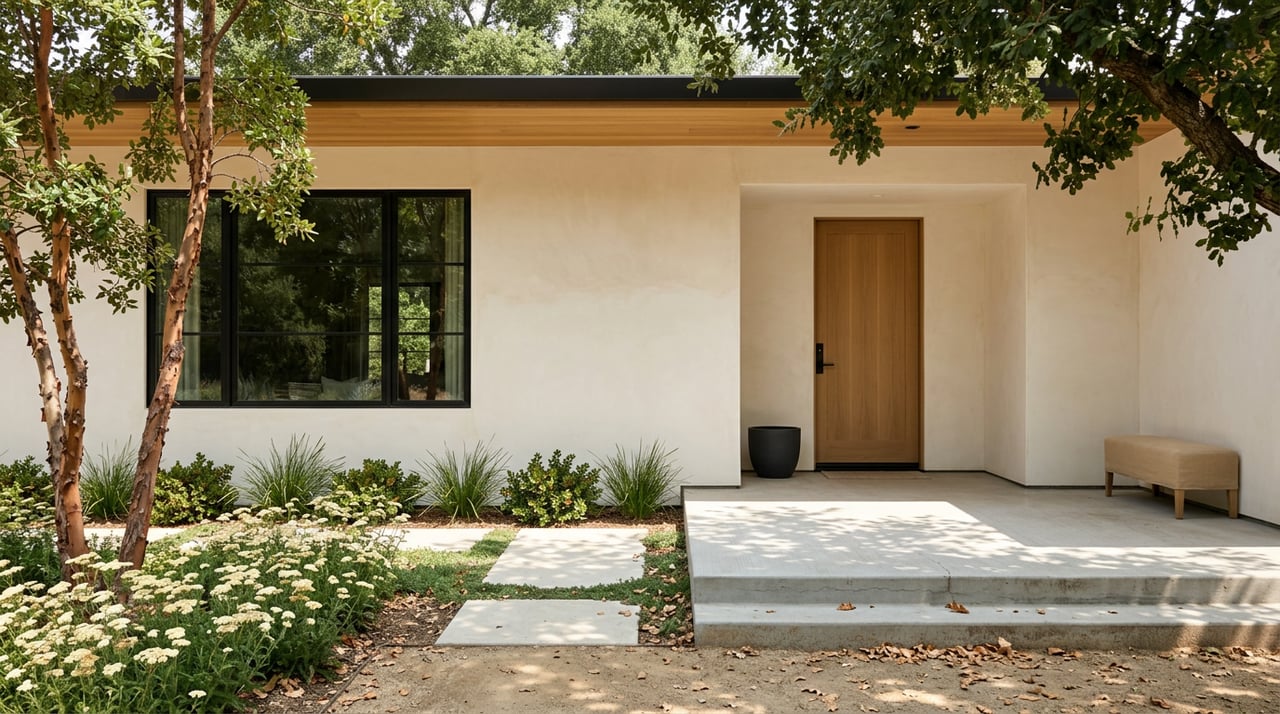
Woodside’s housing pattern is not a typical suburban tract layout. Instead, town zoning and design guidance point to a mix of village-adjacent homes, wooded parcels, horse-friendly properties, and larger estate-style lots.
The Town’s Housing Appendix notes a broad range of residential zoning, including R-1 lots at 20,000 square feet, SR at 1 acre, RR at 3 acres, and Special Conservation Planning districts at 5, 7.5, and 10 acres. It also notes that Woodside Glens includes some smaller-lot areas.
Design rules support a natural setting
Woodside’s Residential Design Guidelines say homes should remain in harmony with the town’s rural character. The guidelines call for preserving natural hillsides and wooded areas while keeping building height and bulk modest.
That approach shapes how neighborhoods feel. In many parts of Woodside, the goal is not to dominate the site, but to preserve a sense of space, canopy, and connection to the land.
Private property can extend the open-space feel
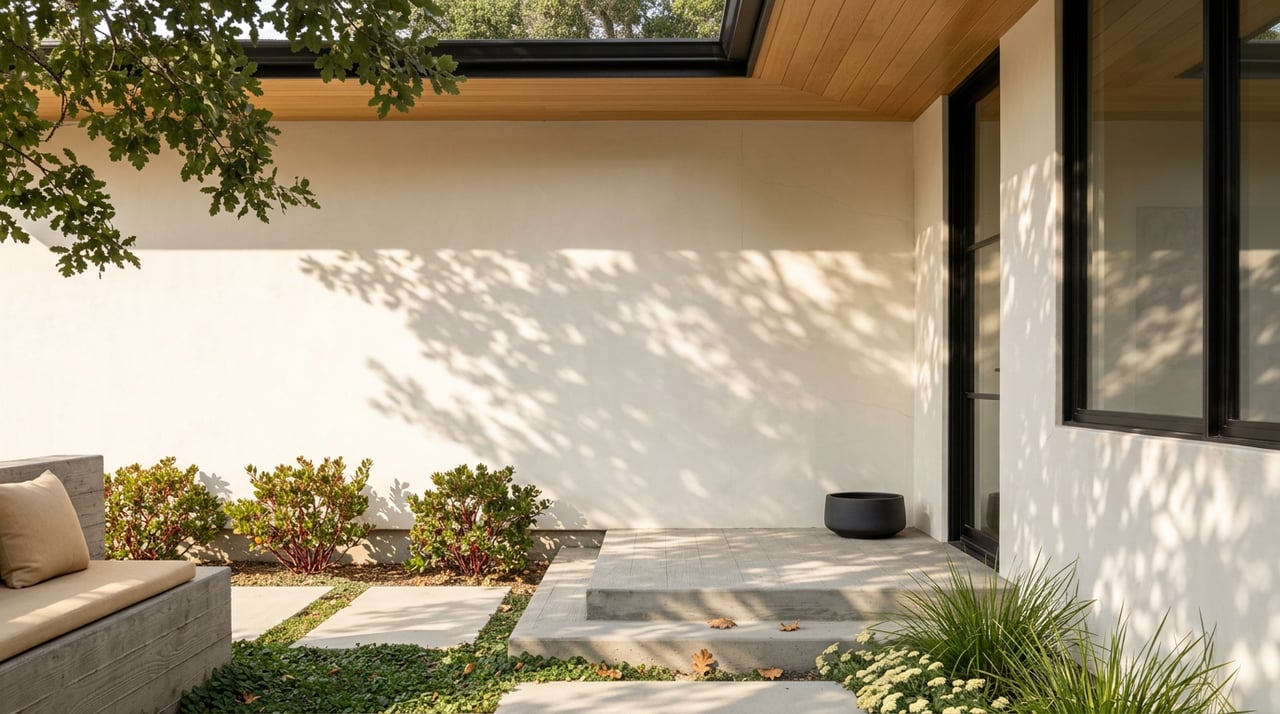
Woodside also encourages habitat stewardship on private property. The Heritage Tree Award recognizes historic or especially large trees, and the Backyard Habitat Program promotes wildlife-friendly landscaping.
For homeowners, this can influence how outdoor space is used and maintained. Yards in Woodside are often part of the broader visual and ecological character of the town, not just private outdoor rooms.
What this means if you want to live here
If you are considering Woodside, the lifestyle is best understood through patterns rather than buzzwords. You are looking at a town where outdoor access, equestrian culture, village-scale commerce, and land-conscious home design all work together.
That can appeal to different kinds of buyers. Some want wooded privacy, some want horse-capable property, and some simply want a quieter Peninsula setting with strong access to trails and open space.
From a real estate perspective, that is why local context matters so much in Woodside. Homes here are often shaped as much by parcel size, land use, natural surroundings, and property character as by square footage alone.
If you are buying, it helps to look beyond the house itself and understand how a property fits into Woodside’s broader setting. If you are selling, it is just as important to present not only the home, but also the lifestyle that comes with it.
For buyers and sellers in Peninsula communities, that kind of detail matters. With local knowledge, renovation insight, and a hands-on approach to preparation and positioning, Tom Correia helps clients navigate properties with nuance and confidence.
FAQs
What is the overall lifestyle in Woodside, CA?
- Woodside is a small, rural, primarily residential town where open space, redwood landscapes, equestrian culture, and village-scale daily amenities all play a central role.
What parks and trails are popular near Woodside?
- Woodside is known for Huddart Park, Wunderlich Park, and nearby open space preserves such as Thornewood, Windy Hill, Long Ridge, and Skyline Ridge, with options for hiking, horseback riding, and other outdoor use.
Is horse culture a big part of Woodside?
- Yes. Town resources note that many residents keep horses or have horse-capable property, and the community includes the Horse Park at Woodside, local horse organizations, and annual events like Day of the Horse.
What is the Woodside town center like?
- The Town Center is a roughly 17-acre village hub with a grocery store, hardware store, restaurants, shops, offices, and Town Hall, giving Woodside a small-scale local gathering area rather than a large commercial district.
What kinds of homes are common in Woodside?
- Woodside includes a mix of smaller-lot areas, one-acre and multi-acre parcels, horse-friendly properties, wooded homesites, and larger estate-style lots, shaped by zoning and design standards that support rural character.
How does local design affect homes in Woodside?
- Town guidelines encourage homes that preserve natural hillsides and wooded areas while keeping height and bulk modest, which helps maintain Woodside’s land-focused and rural visual character.