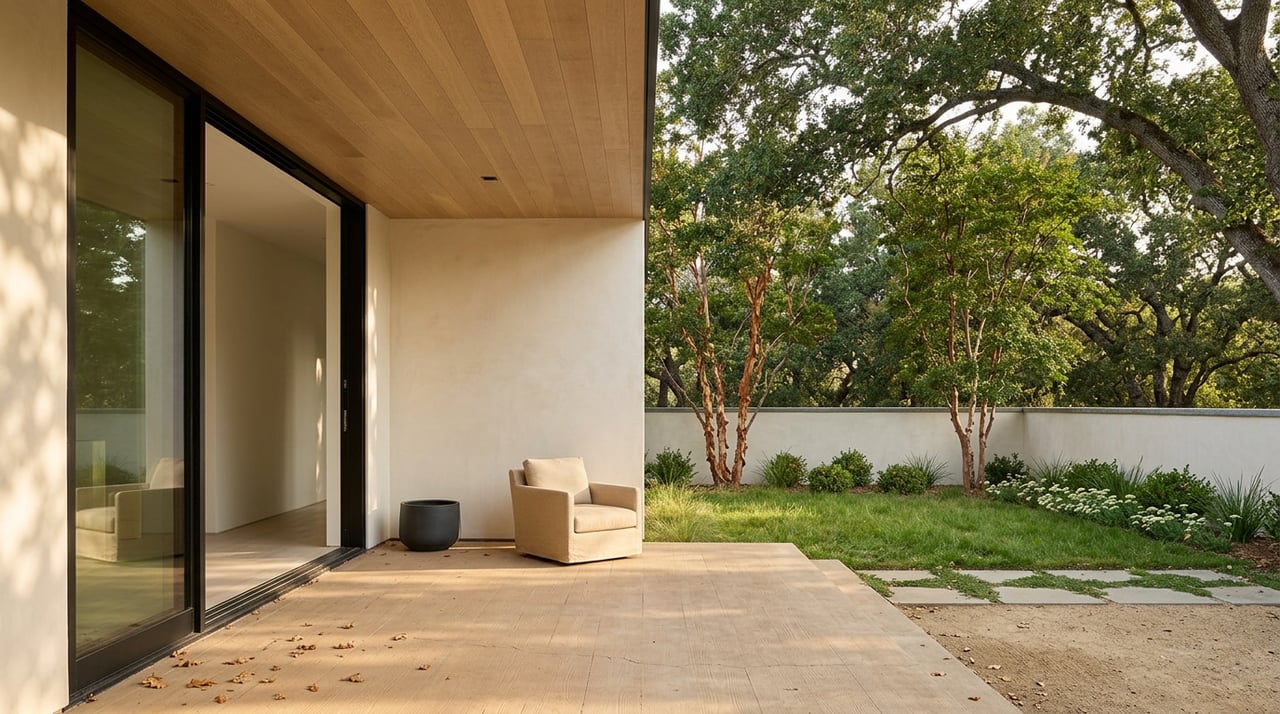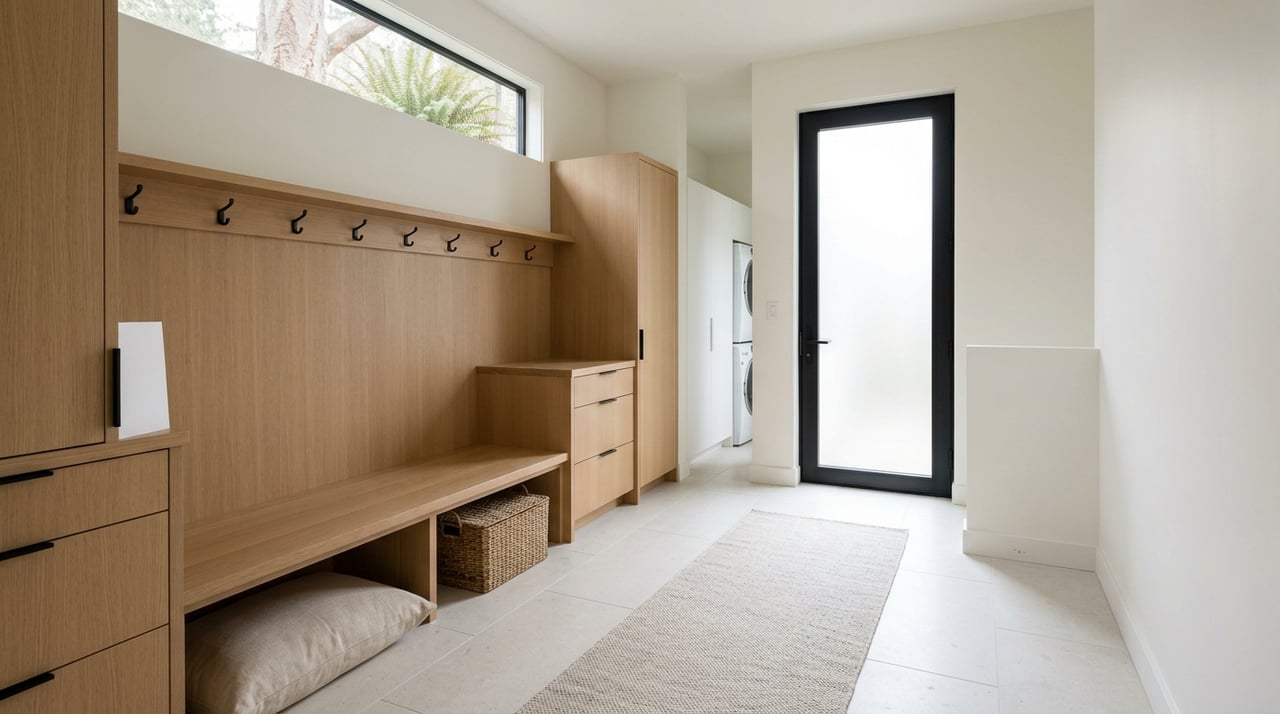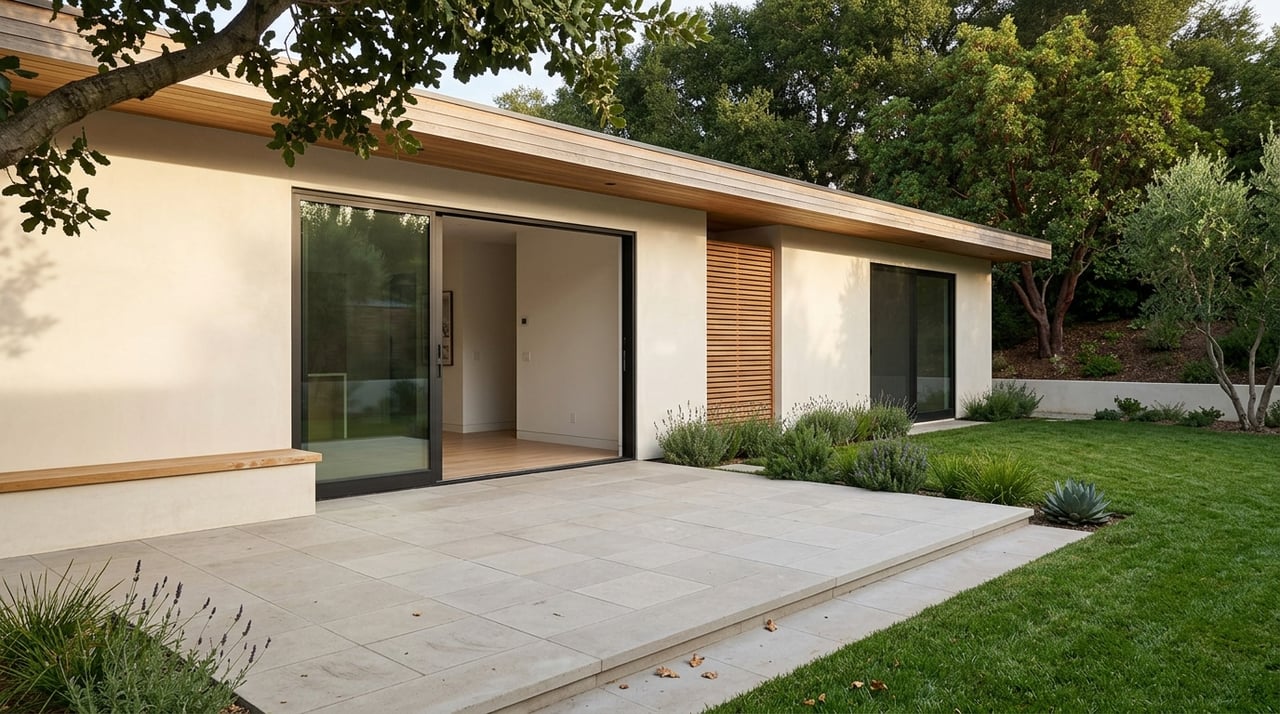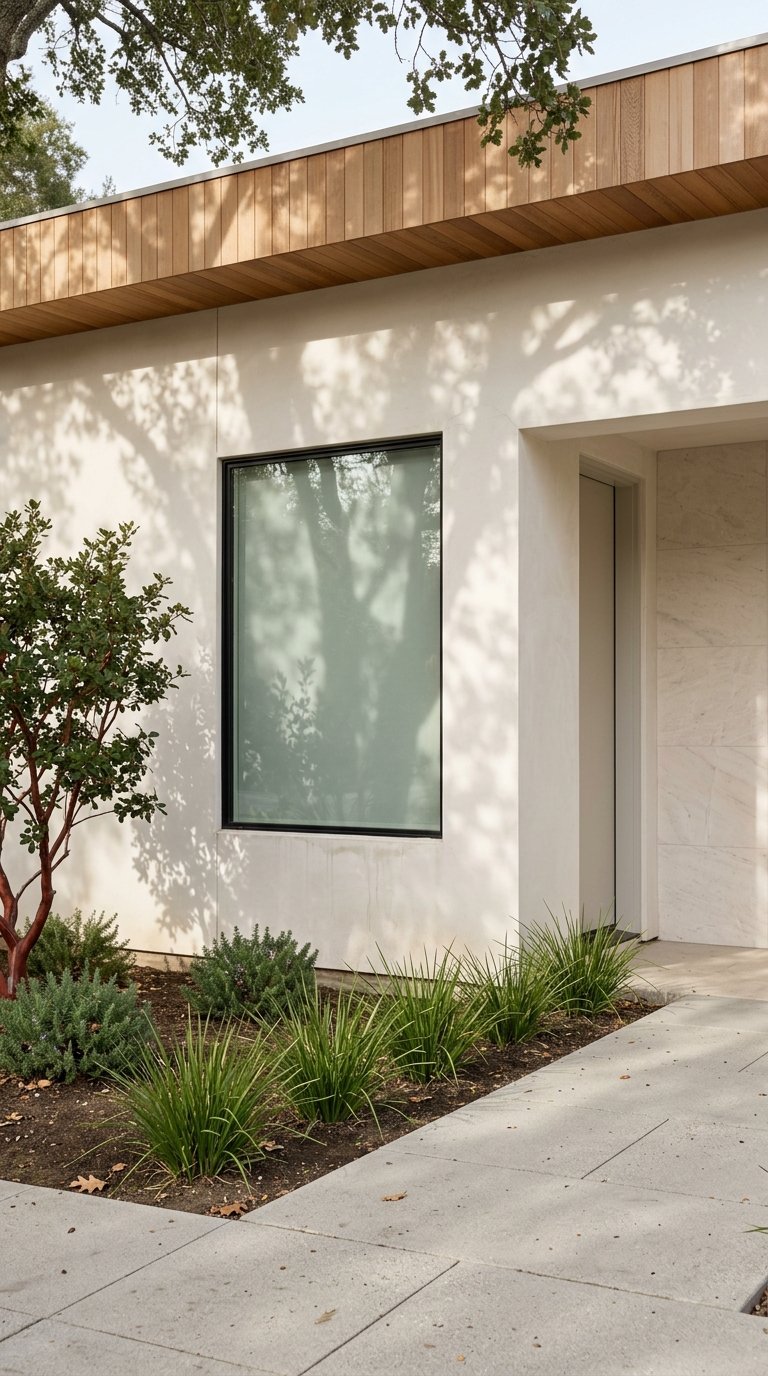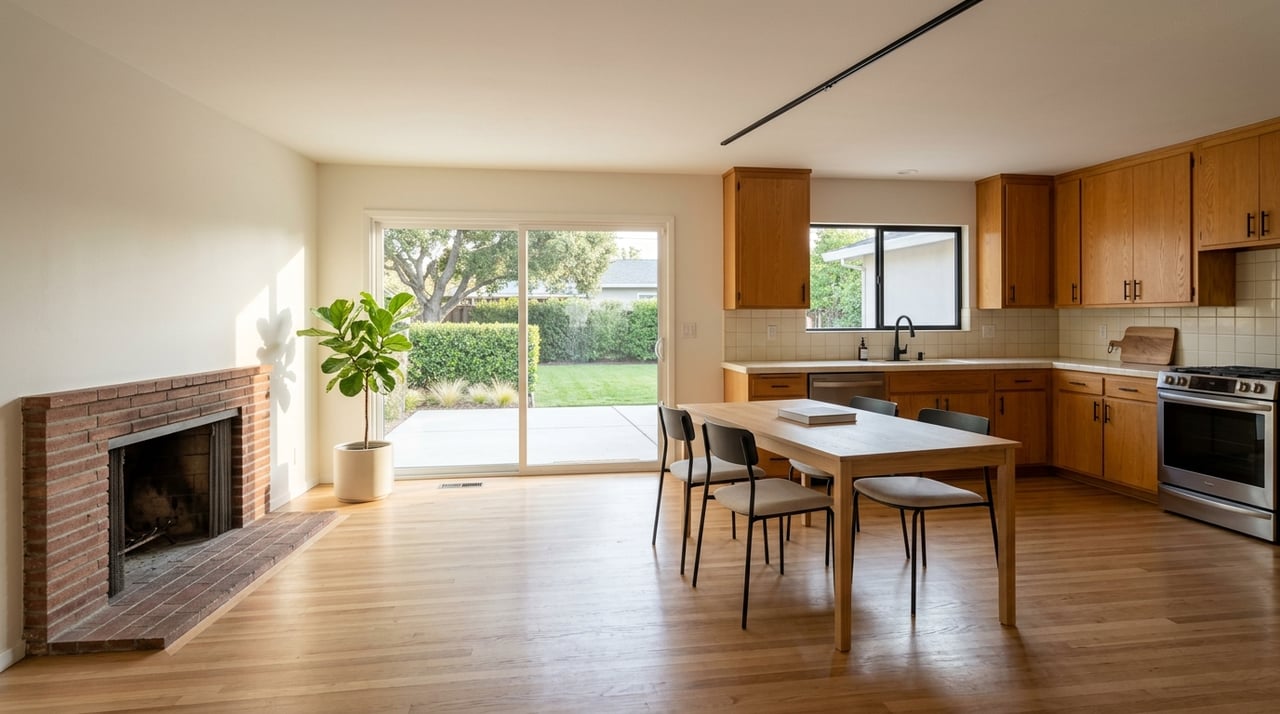
If you have ever walked into an older Palo Alto home and thought, "This could be great with the right plan," you are probably seeing what many buyers see here: opportunity hidden behind dated layouts, aging systems, or a floor plan that no longer fits modern living. The challenge is knowing whether that opportunity is real or whether the property comes with limits that will make your renovation harder, slower, or more expensive than expected. In Palo Alto, a smart renovation-minded buyer starts with the lot, the rules, and the home’s structure before falling in love with finishes. Let’s dive in.
Why renovation potential matters in Palo Alto
Palo Alto has a much older housing stock than many buyers assume. According to the city’s 2023 to 2031 Housing Element, the median year a typical housing unit was built was 1955, with a large share built in the 1950s, even earlier, or in the 1960s.
That matters because in a market where owner-occupied homes have a median value above $2,000,000, surface updates alone do not always tell you much about long-term value. In many cases, the real upside comes from improving layout, circulation, systems, and everyday usability.
It also means you need to be realistic about what an older home can support. Some homes are excellent renovation candidates. Others have site, tree, historic, or design constraints that limit what you can change.
Start with the parcel report
Before you focus on photos, kitchens, or staging, pull the parcel report. Palo Alto’s parcel reports can show lot size, zoning, land use designation, flood zone, parking district, historic status, traffic impact district, known public easements, and, for single-family lots, the maximum allowable floor area, lot coverage, height, and setback rules.
This is one of the fastest ways to separate a house with true expansion potential from one that only looks flexible on paper. If you want to add square footage, rework the footprint, or explore future options, this report gives you the basic framework.
What the parcel report can reveal
A parcel report can help you understand whether a home has room to grow and what limits may shape that growth. Key items to review include:
- Lot size
- Zoning and land use designation
- Historic status
- Flood zone
- Easements and right-of-way conditions
- Maximum allowable floor area
- Lot coverage limits
- Front, side, and rear setback requirements
- Height limits
If any of these factors are restrictive, your renovation budget and design expectations may need to shift early.
Check lot geometry and buildable area
In Palo Alto, lot size alone is not enough. Lot shape, setbacks, easements, tree locations, and other site conditions can all affect how much of the property is actually usable for an addition or major remodel.
The city’s single-family permit checklist requires applicants to show existing, allowable, and proposed floor area ratio and lot coverage. Palo Alto’s standard lot coverage formula is 45% of the first 5,000 square feet plus 30% of area above 5,000 square feet, which means two homes on similarly sized lots may still have very different practical options depending on site conditions.
Site details that can change your plans
When evaluating renovation potential, pay close attention to:
- Required and contextual setbacks
- Existing outdoor mechanical equipment locations
- Tree locations
- Creeks or drainage conditions
- Public easements
- Right-of-way constraints
- Daylight-plane requirements for taller additions
These details may sound technical, but they often determine whether a promising idea is straightforward or surprisingly difficult.
Trees can be a major factor
In Palo Alto, mature trees can add real appeal to a property, but they can also shape what you are allowed to build. The city requires a tree protection plan sheet for development projects, and a Tree Protection Report from an ISA-certified arborist may be required for work within the tree protection zone of protected or designated trees.
That does not mean a property with significant trees is a poor candidate. It means you should treat trees as an early due diligence item, not a late surprise.
Know when planning review is required
One of the biggest mistakes buyers make is assuming every remodel is just a building permit issue. In Palo Alto, many projects with exterior changes go through a Planning Entitlement process first.
The city is especially clear that second-story additions and new two-story single-family homes require a Planning Entitlement. More broadly, projects involving exterior changes to a building or site are generally routed through that process, and planning intake appointments are required for submittals.
Why this matters for buyers
If your vision includes a larger addition, a second story, or a meaningful exterior redesign, timeline and feasibility matter just as much as design. A home may still be worth pursuing, but you want to know early if the path will involve more review, more consultants, and more time.
Watch for historic-review issues
Palo Alto has a meaningful preservation framework. The city’s Historic Preservation Program includes four National Register districts and hundreds of individually significant resources, and properties in the city’s inventory, historic districts, or state or national registers can require review for many exterior projects.
The good news is that normal maintenance, interior work, and landscaping typically do not require historic review if the exterior appearance does not change. Still, if you are buying for renovation upside, historic status is one of the first things to verify.
Historic homes may offer both limits and benefits
Historic status can narrow your design choices for exterior work, but it can also create opportunities in some cases. Palo Alto says certain locally designated historic single-family residences in residential districts may qualify for excess floor area for home improvements, with up to 250 square feet above the maximum allowed in some situations.
That is not a blanket benefit for every older home, but it shows why careful property-level research matters. A restriction on one side can sometimes be paired with a useful incentive on the other.
Focus on function, not just finishes
In Palo Alto, the best renovation moves often solve everyday living problems rather than simply making a house look newer. Kitchens and bathrooms remain common renovation priorities nationally, and many homeowners expand kitchen footprints, which lines up with what local buyers tend to notice first.
But in this market, the strongest value often comes from improving how the home lives. That can mean better circulation, more usable common space, stronger indoor-outdoor flow, improved storage, or upgraded systems that make the home easier to live in over time.
What tends to resonate locally
When you walk through a potential project, consider whether the home could support improvements like:
- A more functional kitchen layout
- Better connection between living spaces
- Improved bathroom usability
- Updated HVAC or water-heating systems
- More flexible space for guests, work, or extended living needs
- Better alignment between the home’s style and its updates
In some Palo Alto submarkets, architectural fit matters as much as modernization. The city’s Eichler Neighborhood Design Guidelines, for example, emphasize preserving original driveway location and keeping front-yard paving understated, which reflects a broader local pattern: renovations often perform best when they respect the original character of the home while improving function.
Consider ADU and JADU potential
For some buyers, a property’s upside is not only in the main house. Palo Alto’s 2025 ADU and JADU guidebook describes these units as a way to expand housing opportunities for family members, friends, students, older adults, and in-home care providers.
If you are thinking about long-term flexibility, this can be an important part of the equation. An ADU or JADU may support multigenerational living, guest space, or other household needs, but you still need to study the lot, setbacks, permit path, and overall feasibility before assuming it will work.
Budget beyond the remodel itself
A realistic Palo Alto renovation budget should include more than design and construction. Permit path, green-building compliance, school-related fees, and systems upgrades can all affect your numbers.
The city says residential projects subject to CALGreen Mandatory, Tier 1, or Tier 2 must hire an approved Green Building Special Inspector before plan check. Palo Alto also notes that school impact fees apply to projects with new units, including JADUs and ADUs, as well as new construction, conversions, or residential additions of 500 square feet or more.
A few local cost anchors
Palo Alto’s Electrify My Home program offers fixed-price examples that can help you model systems costs, including:
- $3,350 for a 65-gallon heat pump water heater
- $9,800 for a 3-ton ducted heat pump HVAC
- $11,700 for a 4-ton ducted heat pump HVAC
- $1,950 for an induction range
- $2,000 for a high-efficiency electric clothes dryer
These are not full remodel budgets, but they are helpful line items when you are estimating how much it may cost to modernize a home’s infrastructure.
Look for the Home Improvement Exception
If you want to avoid crossing into full-rebuild territory, Palo Alto’s Home Improvement Exception can be especially relevant. The city says this path may reduce certain development regulations for remodels that keep at least 75% of the existing exterior walls.
For the right property, that can make a major difference. It may allow you to renovate more strategically while preserving enough of the original structure to stay within a more favorable review path.
A simple way to spot true upside
A strong Palo Alto renovation candidate usually has three things: a workable lot, a clear entitlement path, and enough architectural flexibility to improve function without forcing a teardown-level solution. Homes with protected trees, historic designation, awkward lot lines, or major nonconformities may still be worthwhile, but they usually come with more constraints and less margin for error.
That is why pre-offer due diligence matters so much here. If you can confirm what the property allows before you commit, you can make much better decisions about value, scope, and long-term fit.
A practical pre-offer checklist
Before you move forward on a renovation-minded purchase, review:
- The parcel report
- Historic status
- Setbacks, floor area ratio, and lot coverage
- Protected trees and tree protection issues
- Easements and right-of-way conditions
- Permit history
- Whether exterior changes may require Planning Entitlement
- Likely fee and compliance items
This kind of homework can save you time, money, and frustration. It can also help you move quickly and confidently when the right property comes along.
If you are trying to judge whether a Palo Alto home has real renovation upside or just expensive unknowns, local context makes all the difference. With the right guidance, you can look past cosmetic distractions, understand what the property truly allows, and focus on opportunities that fit your goals. If you want a practical, on-the-ground perspective before you buy or renovate, connect with Tom Correia for thoughtful local guidance.
FAQs
What makes a home in Palo Alto a good renovation candidate?
- A strong candidate usually has a workable lot, a clear permit and entitlement path, and enough design flexibility to improve function without requiring a teardown-level project.
Why should you pull a parcel report for a Palo Alto home?
- A parcel report can show lot size, zoning, historic status, setbacks, flood zone, easements, and maximum allowable floor area, all of which help you evaluate what the property may realistically support.
Do exterior remodels in Palo Alto require planning review?
- Many do. Palo Alto generally routes projects with exterior changes through the Planning Entitlement process, and second-story additions or new two-story single-family homes specifically require it.
How do protected trees affect renovations in Palo Alto?
- Protected or designated trees can limit where and how you build, and projects may require a tree protection plan or a Tree Protection Report from an ISA-certified arborist.
Can historic homes in Palo Alto still offer renovation upside?
- Yes, but they often require more careful planning. Some exterior work may need historic review, and certain locally designated historic single-family homes may qualify for additional floor area for home improvements in some cases.
Are ADUs and JADUs worth considering on Palo Alto properties?
- They can be, especially if you want more flexibility for household use. Palo Alto recognizes ADUs and JADUs as a way to expand housing options, but feasibility still depends on the lot and permit path.
What extra costs should you budget for when renovating in Palo Alto?
- In addition to construction, you may need to budget for planning review, green-building compliance, school impact fees for qualifying projects, and systems upgrades such as heat pump HVAC or water heating.
What is the Home Improvement Exception in Palo Alto?
- It is a city path that may reduce certain development regulations for remodels that keep at least 75% of the existing exterior walls, which can matter for buyers trying to avoid a de facto rebuild.