Are you drawn to a true village center, but still picture yourself coming home to quiet roads, open land, and wide hillside views? That balance is exactly what makes this part of Santa Clara County so compelling. If you are trying to understand how daily life feels between Los Altos and Los Altos Hills, this guide will help you compare convenience, setting, recreation, and home context in a practical way. Let’s dive in.
Village Access in Los Altos
If you want a more connected, errand-friendly routine, Los Altos offers the clearest village experience. The city describes itself as tree-lined and village-like, with seven retail districts spread across about seven square miles. That means you are not limited to one commercial strip for daily needs.
Downtown Los Altos is the symbolic center of that experience. It is designed as a pedestrian-oriented district with boutiques, cafes, restaurants, offices, and services. The city also emphasizes its village character and strong pedestrian environment, which helps explain why the area feels active without feeling oversized.
A practical detail that matters more than people expect is parking. Downtown has about 1,400 free public parking spaces, which can make quick stops for coffee, dinner, or errands simpler. The city has also kept its outdoor dining parklet program, adding to the street-level activity and making meals out feel like part of everyday life.
Everyday errands across districts
Los Altos is not just about downtown. The city lists seven shopping sectors, including Downtown Los Altos, Loyola Corners, Village Court, Foothill Crossing, El Camino Real, Rancho Shopping Center, and Woodland Plaza. For you, that can mean more flexibility in how you move through the week.
Instead of funneling every task into one area, daily life can happen in different pockets. You might head downtown for dining, then handle errands in another district on the same day. That multi-node layout is part of what gives Los Altos its village scale without making it feel too concentrated.
Hillside Living in Los Altos Hills
Los Altos Hills offers a very different rhythm. The town preserves a residential-agricultural lifestyle, has no commercial activity, and is known for open land, expansive views, and a more rural atmosphere. If your priority is space, privacy, and a quieter setting, that contrast is likely the main appeal.
Large-lot zoning shapes much of the experience here. Homes often sit in a landscape that feels more open and less built around retail convenience. In daily life, that usually means you leave town for dining, shopping, and routine errands.
This is the tradeoff in simple terms: Los Altos Hills gives you room, scenery, and a more tucked-away feel, while Los Altos puts more day-to-day convenience closer at hand. Neither is inherently better. It depends on how you want your week to flow.
Views, privacy, and open land
What many buyers notice first in Los Altos Hills is the sense of separation from busy commercial patterns. The town's open-space approach, together with large lots and preserved land, helps create a quieter visual environment. That can make the setting feel more retreat-like even though you remain close to Peninsula job centers and services outside town.
The town also notes that much of its open space is privately owned or donated to preserve the rural feel. Nearby preserves, equestrian facilities, and access to Rancho San Antonio County Park reinforce that identity. For buyers who want nature to feel built into daily life, this is a meaningful distinction.
Getting Around Day to Day
Your experience getting around can look quite different depending on which side of this comparison fits you best. VTA serves Los Altos and Los Altos Hills, and Los Altos planning materials point to nearby Caltrain access in Mountain View. Those materials also note that the San Antonio Caltrain station is just over half a mile from the nearest Los Altos city boundary, and Mountain View is less than one mile away.
In practical terms, Los Altos can support more walk-and-park habits. You may be able to combine a meal, an errand, and a short stroll more easily there because commercial uses are built into the city. That pattern is part of the appeal for buyers who want a more connected routine.
Los Altos Hills tends to be more car-oriented. Since the town has no commercial activity, everyday services are generally outside its boundaries. If you value privacy and land more than quick walkable access to shops and dining, that may feel like a comfortable trade.
Outdoor Life Near the Village
Los Altos adds another layer to the village story through its parks and creekside spaces. The city lists parks such as Grant Park, Shoup Park, Heritage Oaks Park, Hillview Park, and Redwood Grove. These areas help bring nature into everyday life without requiring a long drive.
Redwood Grove is a particularly useful example. It is a 6.12-acre nature preserve with a boardwalk along Adobe Creek and a Hillside Trail. If you like the idea of pairing a village setting with nearby natural space, places like this show how Los Altos blends the two.
For some buyers, this combination is the sweet spot. You can enjoy a more structured, neighborhood-park lifestyle while keeping restaurants, services, and gathering spots relatively close. That is different from living in a more purely rural-feeling town.
Trails and Recreation in Los Altos Hills
In Los Altos Hills, outdoor access is not just an amenity. It is part of how the town functions. Town facts describe about 80 miles of trails and off-road paths, and the Pathway System is designed for safe, convenient non-vehicular travel.
These pathways connect neighborhoods to surrounding open space and are used by walkers, runners, bicyclists, and horseback riders. The town also highlights amenities such as Byrne Preserve, Westwind Barn for horse boarding and riding programs, and access to Rancho San Antonio County Park. That network can make the town feel like you are living inside an outdoor system rather than simply near one.
If your ideal routine includes heading out for a walk, ride, or run directly from your neighborhood, Los Altos Hills stands apart. It offers a version of Peninsula living where trails and open land shape daily movement in a very direct way.
What Home Sites Can Mean
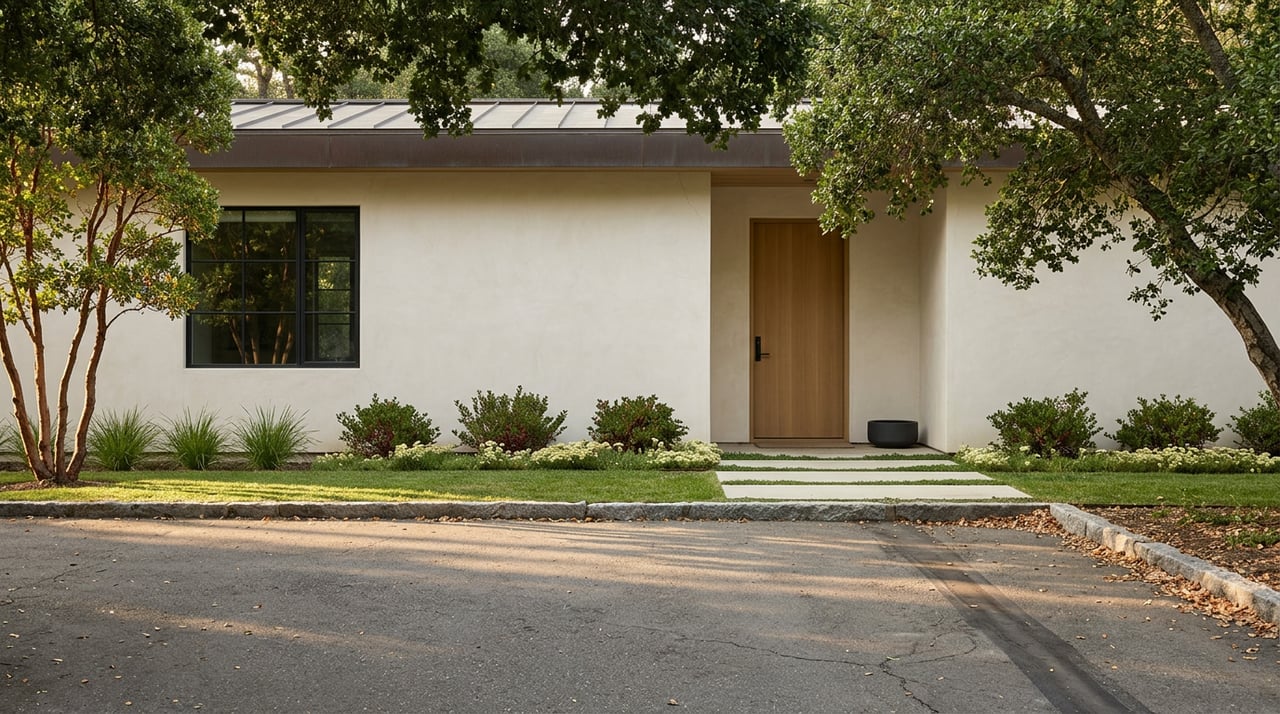
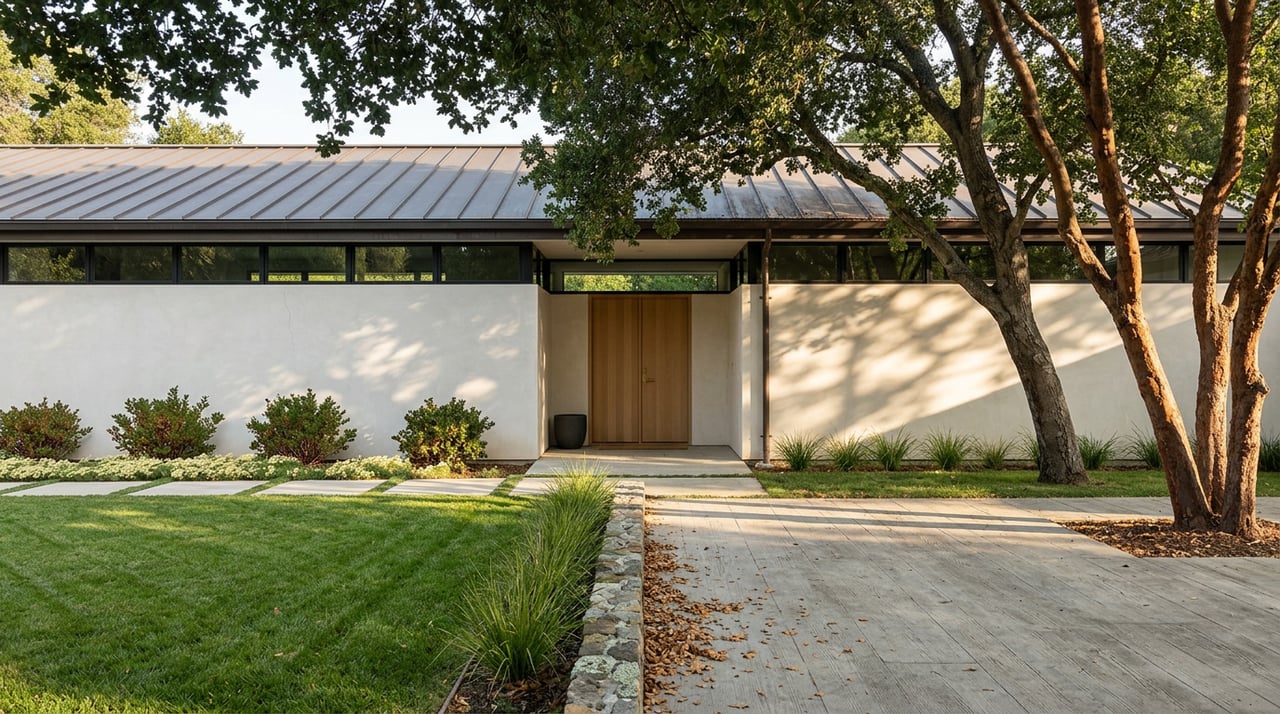
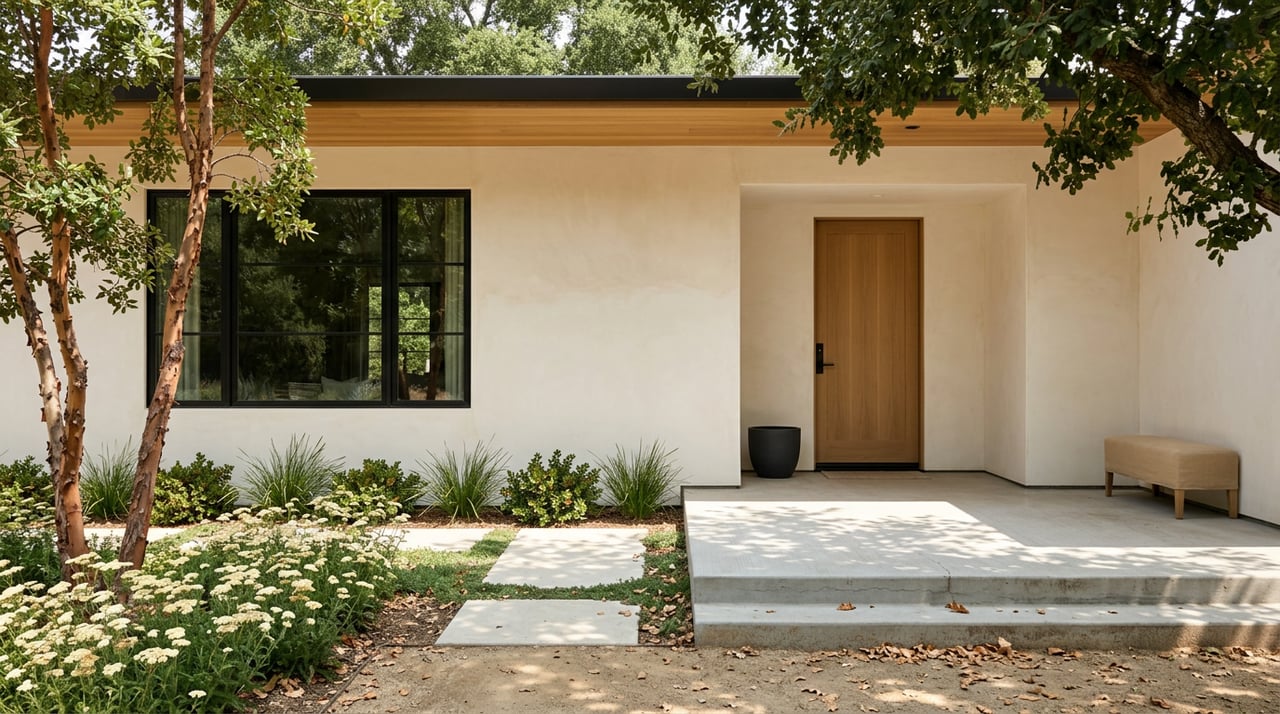
When you compare homes in these areas, the setting is not just about appearance. It can affect what ownership feels like over time. A flatter, village-adjacent property may offer a more straightforward site context than a hillside parcel.
Los Altos Hills notes that standard approval conditions may involve open-space easements over oak coverage, creek areas, or slopes of 30 percent or more. Pathway easements or fees may also apply in some cases. For you as a buyer, that helps explain why a view property can come with added planning, grading, or access considerations.
This does not make hillside homes less desirable. It simply means they often involve a different level of site complexity. If you are renovation-minded or evaluating long-term property potential, understanding that early can help you make a better decision.
Choosing the Right Fit for Your Lifestyle
The clearest way to think about this area is not as a contest between neighboring communities. It is a question of what kind of daily experience you want. Los Altos offers village convenience, multiple shopping districts, pedestrian-oriented downtown access, and nearby parks.
Los Altos Hills offers larger lots, no commercial activity, a rural atmosphere, an extensive pathway network, and view-oriented living. You may find yourself choosing between easier everyday convenience and a stronger sense of retreat. For many Peninsula buyers, that is the real decision on the ground.
If you are weighing a move, it helps to look beyond square footage and price point. Think about how often you want to head out for coffee, dinner, or errands, how important direct trail access is to you, and how comfortable you are with the realities of a more complex hillside site. Those details often shape satisfaction more than the listing photos do.
Whether you are preparing to sell in this market or looking for the right fit as a buyer, local context matters. Tom Correia brings a hands-on Peninsula perspective, practical renovation insight, and a thoughtful approach to matching homes with the way you actually want to live. If you are ready for tailored guidance, connect with Tom Correia.
FAQs
What is the main lifestyle difference between Los Altos and Los Altos Hills?
- Los Altos offers a village-style setting with shopping districts, dining, services, and a pedestrian-oriented downtown, while Los Altos Hills offers a residential-agricultural setting with no commercial activity, larger lots, trails, and open-space living.
Is downtown Los Altos walkable for daily errands and dining?
- Downtown Los Altos is designed as a pedestrian-oriented village center with boutiques, cafes, restaurants, offices, and services, and the city says there are about 1,400 free public parking spaces downtown.
Are there shops and restaurants in Los Altos Hills?
- No. Los Altos Hills describes itself as having no commercial activity, so shopping, dining, and most errands generally happen outside the town.
How does commuting work from Los Altos and Los Altos Hills?
- VTA serves both areas, and Los Altos planning materials reference nearby Caltrain access in Mountain View, including the San Antonio station near the city boundary, but Los Altos Hills is generally more car-oriented because everyday services are outside town.
What outdoor recreation is available in Los Altos Hills?
- Los Altos Hills has about 80 miles of trails and off-road paths, plus access to open-space amenities such as Byrne Preserve, Westwind Barn, and Rancho San Antonio County Park.
What should buyers know about hillside homes in Los Altos Hills?
- Hillside properties may involve added site considerations such as open-space easements, slope-related conditions, creek-area protections, or pathway easements and fees, which can affect planning and future improvements.