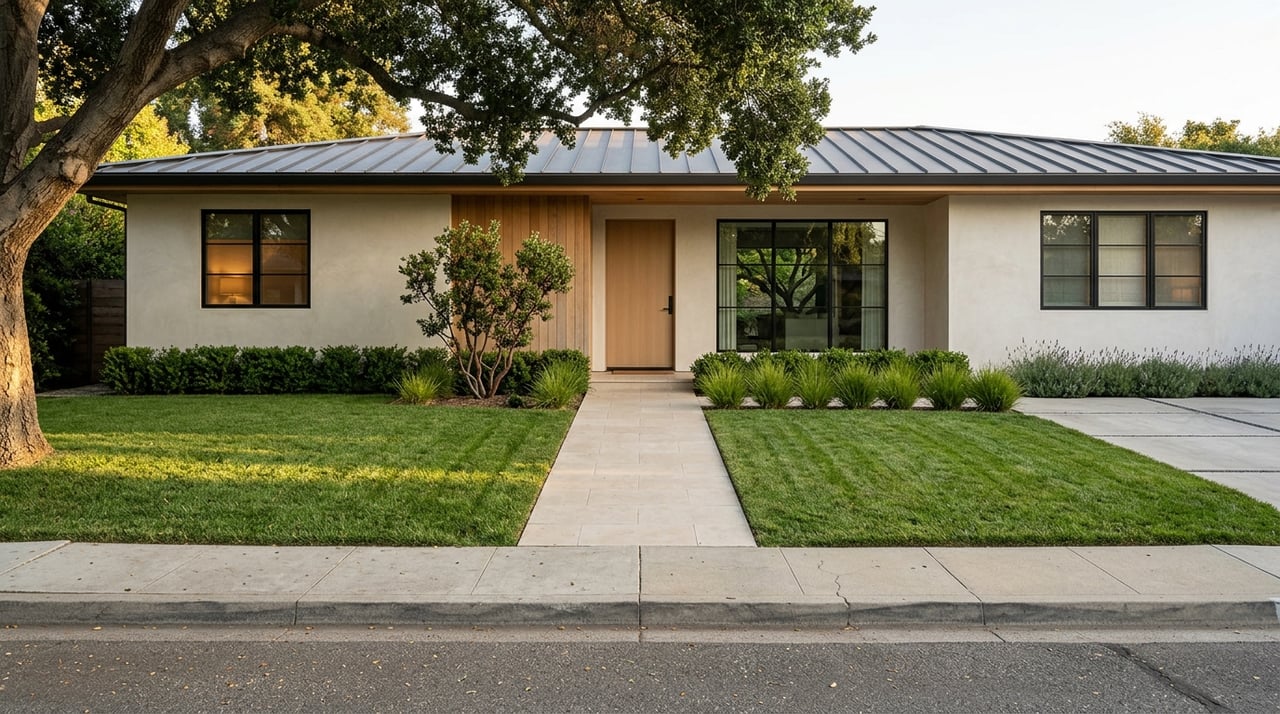
Curious what it actually feels like to live in Old Palo Alto, not just tour it on a map? If you are comparing Palo Alto neighborhoods, you are probably looking for more than home prices or lot sizes. You want to know how the streets feel, what the homes look like, and how daily life flows from morning errands to an evening walk. This guide gives you a practical look at Old Palo Alto so you can picture the neighborhood more clearly. Let’s dive in.
Old Palo Alto at a Glance
Old Palo Alto is one of Palo Alto’s most established residential areas, with roots tied to some of the city’s earliest modern-era building clusters. City history connects much of the area to the Soto and Greer family’s Rancho Rinconada del Arroyo de San Francisquito, which helps explain why the neighborhood feels so tied to Palo Alto’s early development.
Today, the neighborhood is best understood as quiet, central, and distinctly residential. Palo Alto’s own city profile highlights tree-lined streets, historic buildings, and a blend of residential and business areas anchored by downtown, and Old Palo Alto fits that broader pattern in a very grounded, everyday way.
Tree-Lined Streets Shape the Feel
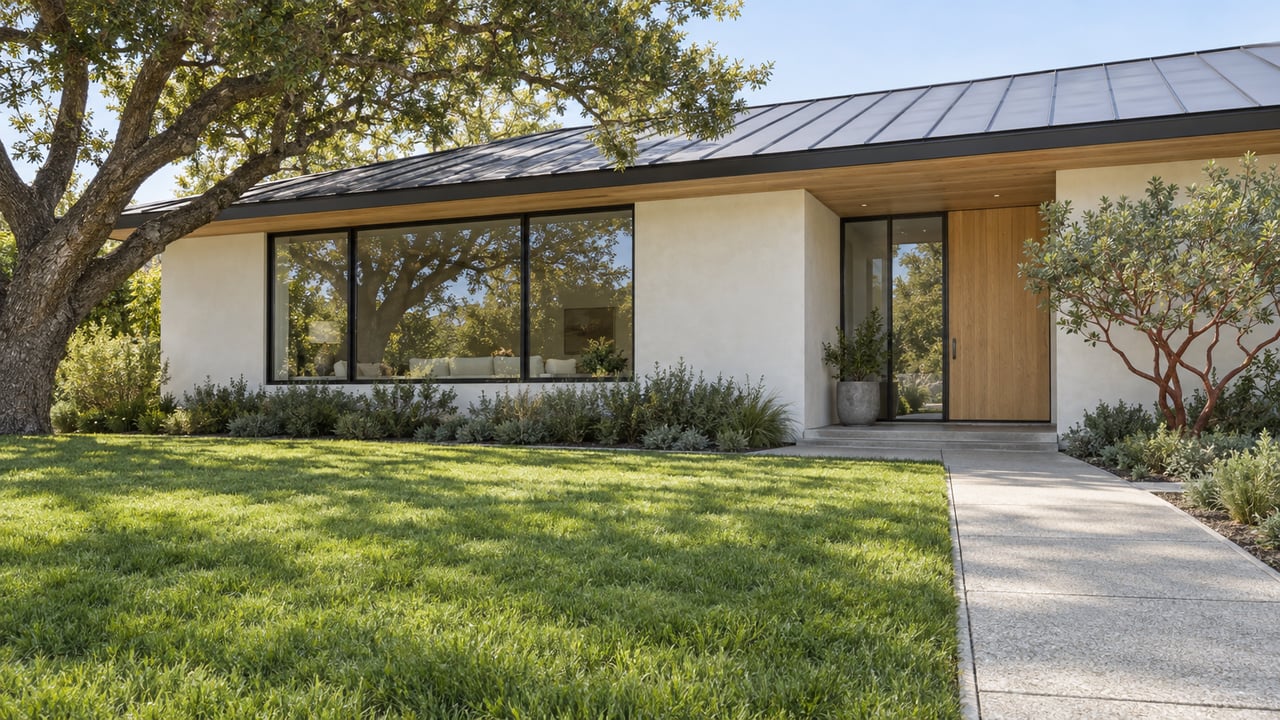
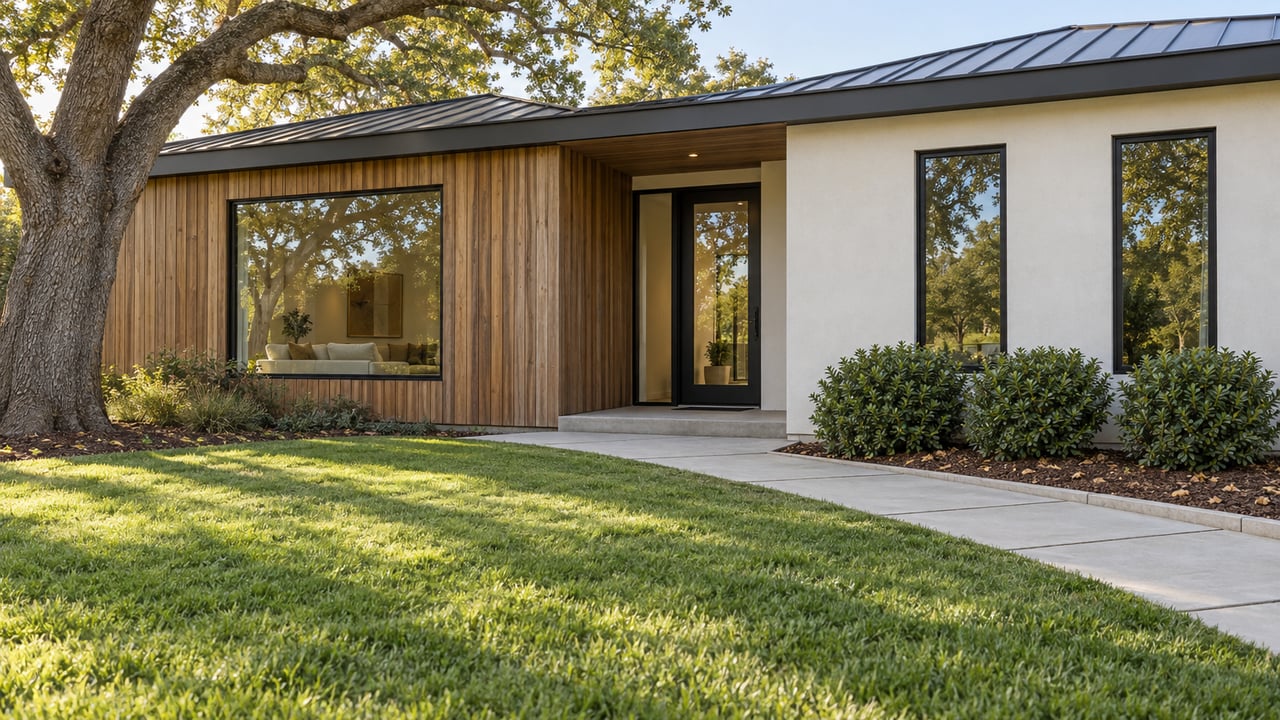
A big part of Old Palo Alto’s identity is its leafy setting. Palo Alto says it maintains nearly 66,000 trees across public and private property, including street trees and park trees, which supports the neighborhood’s established, shaded feel.
That matters more than you might think when you are choosing where to live. Mature trees soften the streetscape, create visual continuity from block to block, and give routine moments like walking the dog or heading out for coffee a calmer rhythm.
Home Styles Show Palo Alto’s History
One of the most interesting things about Old Palo Alto is that it does not read like a uniform tract neighborhood. Instead, it reflects Palo Alto’s early 20th-century housing story, with architecture tied to several historic local styles.
According to the city’s historic survey materials, key Palo Alto styles include Craftsman, Colonial Revival, Tudor Revival, Spanish Colonial Revival, Mission Revival, Prairie, Queen Anne, and Streamline Modern. In practical terms, that means you may see a range of home designs and details as you move through the neighborhood rather than one repeated formula.
Older Homes and Updated Properties
For buyers and sellers, that variety creates both character and nuance. Old Palo Alto can include older homes, remodeled properties, and homes that contribute to the neighborhood’s historic character, so each property needs to be understood on its own terms.
If you are shopping here, it helps to look beyond surface style and understand how a home has been updated over time. If you are selling, thoughtful preparation and presentation matter because buyers are often responding to both the architecture and the way a home has been cared for.
Historic Status Can Be Property-Specific
Palo Alto has an official historic inventory and review framework, and locally listed properties may be designated as Category 1, 2, 3, or 4 resources. The city describes Category 3 and 4 buildings as contributing examples of an architectural style or neighborhood character, and listed properties can have different management guidelines and incentives.
That is why parcel-specific research is important. In a neighborhood like Old Palo Alto, two homes on the same street can share a similar era but have different review considerations depending on their status.
Parks Support the Daily Rhythm
Old Palo Alto’s pace is shaped not only by homes and streets, but also by nearby civic spaces that make it easy to spend time outdoors. This is one reason the neighborhood often feels lived-in rather than just admired.
Bowden Park is a 2.0-acre neighborhood park with open grassy space, trees, benches, walking trails, and playgrounds. Established in 1952, it offers the kind of close-by green space that can become part of your regular routine.
Rinconada Park is a larger anchor nearby. The city describes it as a 19-acre multipurpose park with live oaks and redwoods, a municipal swimming pool, the Lucie Stern Community Center, and the Junior Museum & Zoo.
Everyday Outings Feel Easy
When parks and civic destinations are close at hand, you tend to use them more often. Instead of planning a major outing, you can fit in a walk, a playground stop, or time outside as part of a normal day.
At the city level, Palo Alto says it offers 36 parks, 39 playgrounds, 41 miles of walking and biking trails, and five libraries. For Old Palo Alto residents, that broader network reinforces a lifestyle where short local outings can feel simple and consistent.
Libraries and Gardens Add Texture
Neighborhood life here is not just about houses and parks. Old Palo Alto also benefits from nearby cultural and civic spaces that add texture to the day.
Rinconada Library is a useful local touchpoint. It sits across from the Palo Alto Art Center, includes the Local Interest Collection, and offers meeting rooms and community programming.
Elizabeth Gamble Gardens adds another layer to the neighborhood’s rhythm. The city highlights it as a place to stroll and take gardening classes, which speaks to the quieter, garden-oriented side of life in this part of Palo Alto.
California Avenue and Downtown Are Close By
For many buyers, one of Old Palo Alto’s biggest strengths is that it feels residential without feeling isolated. Nearby commercial corridors give you access to errands, dining, and local activity without requiring a major trip across town.
California Avenue is one of the most important nearby hubs. The city describes it as being in the heart of Palo Alto, with boutiques, casual and upscale restaurants, public art, a year-round farmers’ market, and free two- to three-hour visitor parking.
University Avenue offers another option with a different scale and energy. The city describes it as the focal point of downtown Palo Alto, serving shopping, dining, and entertainment functions while also acting as the main route to Stanford University.
A More Social, Walkable Pattern
The city’s Uplift Local program supports outdoor dining, retail, and personal services on both California Avenue and University Avenue. California Avenue is also currently managed as a car-free street segment from El Camino Real to Birch Street.
Together, those details help explain why Old Palo Alto can feel more connected than many suburban neighborhoods. You have a residential setting at home, but nearby destinations are set up for walking, browsing, and spending time, not just quick in-and-out errands.
Why Buyers Compare Old Palo Alto Favorably
If you are comparing Peninsula neighborhoods, Old Palo Alto often stands out for a few practical reasons. It offers a quiet residential setting, strong access to civic amenities, and a visible sense of architectural history.
Compared with more commercial parts of Palo Alto, it tends to read as more shaded and more residential. Compared with newer neighborhoods on the Peninsula, it often shows more architectural variety and more preservation context.
That combination is part of the appeal. You are not just buying a home here. You are stepping into a neighborhood with a well-established physical character and a day-to-day rhythm shaped by trees, parks, and nearby civic life.
What This Means for Buyers and Sellers
For buyers, Old Palo Alto rewards a careful, block-by-block and property-by-property approach. Architectural variety, possible historic considerations, and the quality of updates can all affect how a home lives today and what opportunities it may offer.
For sellers, the neighborhood’s character can be a major strength when it is presented clearly. Buyers tend to respond to homes that honor original character while showing thoughtful upkeep, smart improvements, and a strong connection to the neighborhood setting.
This is where local knowledge matters. In a neighborhood with older homes and distinct street character, details like condition, presentation, and context can shape how buyers understand value.
If you are thinking about buying or selling in Old Palo Alto, working with someone who understands both neighborhood nuance and the practical side of home preparation can make a real difference. For tailored guidance on Old Palo Alto and the broader Peninsula market, connect with Tom Correia.
FAQs
What is Old Palo Alto known for?
- Old Palo Alto is known as one of Palo Alto’s most established residential areas, with tree-lined streets, early housing history, and strong access to parks, libraries, and nearby retail corridors.
What kinds of homes are in Old Palo Alto?
- Old Palo Alto features mostly older single-family homes with architectural variety tied to Palo Alto’s historic styles, including Craftsman, Colonial Revival, Tudor Revival, Spanish Colonial Revival, Mission Revival, Prairie, Queen Anne, and Streamline Modern.
Are there historic rules for Old Palo Alto homes?
- Some properties may fall under Palo Alto’s historic inventory and review framework, so the specific parcel status matters when you are buying, remodeling, or preparing to sell.
What parks are near Old Palo Alto?
- Nearby parks include Bowden Park, a 2.0-acre neighborhood park with grassy areas, trails, benches, and playgrounds, and Rinconada Park, a 19-acre park with live oaks, redwoods, a municipal pool, the Lucie Stern Community Center, and the Junior Museum & Zoo.
How close is Old Palo Alto to shopping and dining?
- Old Palo Alto is close to both California Avenue and University Avenue, two major Palo Alto commercial corridors known for shopping, dining, public spaces, and everyday errands.
Is Old Palo Alto a walkable neighborhood for daily life?
- Old Palo Alto’s residential setting, nearby parks, library access, and proximity to California Avenue and downtown support a lifestyle where many routine outings can be handled close to home.