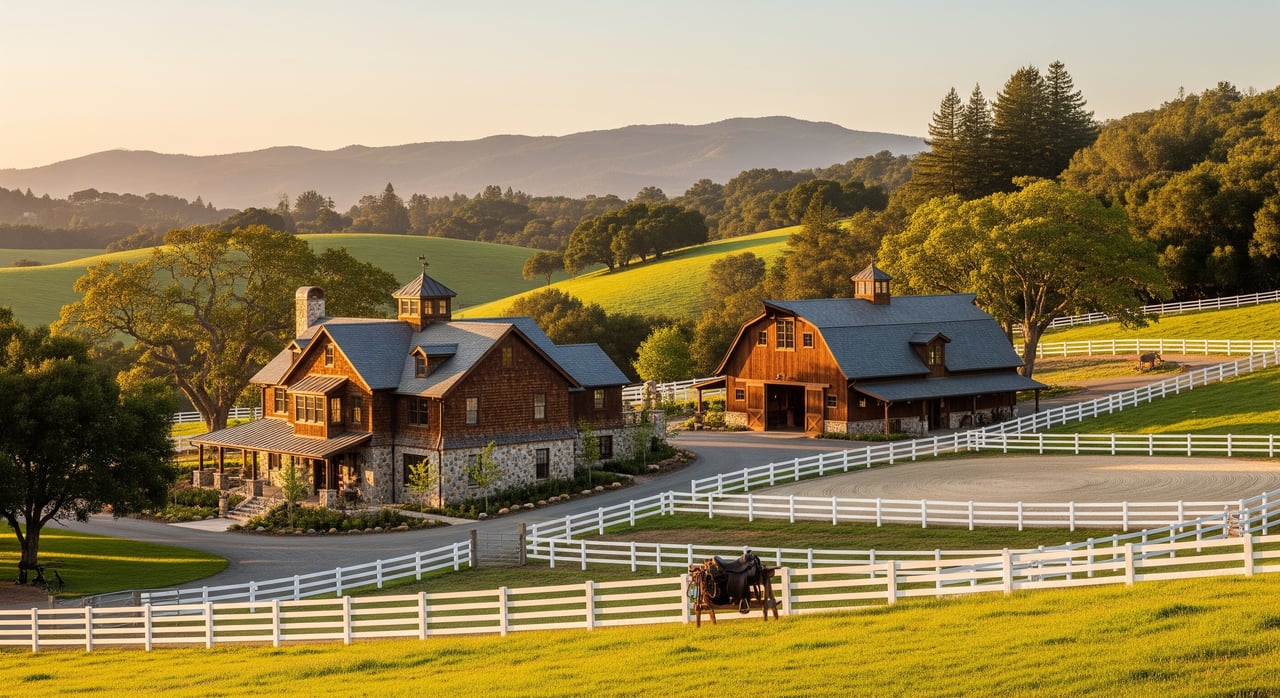
Thinking about a horse property in Woodside? You are in the right place. This area blends rural charm with Peninsula convenience, but not every large lot is truly equestrian-friendly. Knowing what to look for can save you time, money, and stress.
In this guide, you will learn the core features that make a Woodside property work for horses, the local rules and trail context that shape daily use, and the practical steps that help buyers and sellers succeed. You will also get quick checklists you can use on your next tour. Let’s dive in.
Core features buyers expect
Usable acreage, not just size
Total acreage rarely tells the full story. What matters is how much land is flat or gently sloped, well drained, and accessible for horse use. Steep hillsides, dense brush, and areas set aside in conservation easements often reduce usable acreage.
Walk the property and look for water flow, standing water, and safe access between the house, barn, and paddocks. A few well-placed, usable acres can be more valuable than a large parcel that you cannot put to work.
Barns and stalls that work
A practical, safe barn is the heart of an equestrian property. Key features include sound structure, good ventilation, reliable lighting, and safe stall hardware. A dry, rodent-resistant feed and hay area, a dedicated tack room, and a wash stall increase daily comfort and efficiency.
If you are selling, gather records on roof age, wiring, and water supply to the barn. Buyers will ask, and clear documentation builds confidence.
Safe turnout and paddocks
Turnout matters for exercise and socialization. Look for the size and number of paddocks relative to your herd, plus a plan for pasture rotation. Fencing should be safe and highly visible to horses. Options often include wood post-and-rail, vinyl, pipe, or high-tensile with a visible top. Avoid barbed wire.
Shaded areas, wind protection, and well-drained footing reduce mud and stress in wet months. Small upgrades to gates and latch systems can also improve safety.
Arenas and training spaces
From round pens to full-size arenas, the right ring depends on your discipline. Focus on level grading, proper drainage, and footing that suits your goals. Sand mixes sometimes include fiber or rubber additives that help performance and reduce dust.
Ask about the last resurfacing and how the arena is maintained. A well-built arena is a long-term asset. A poorly built one can become a costly project.
Trailer and service access
A good driveway and clear turning radius for trailers are essential. Confirm parking for trailers and deliveries, and check any private road or parking rules that could affect access. Look for safe routes for emergency vehicles as well.
Water supply and storage
Many Woodside properties rely on wells. You will want to confirm flow rate, pump capacity, and water quality to support both household and barn needs. On-site storage and a clear distribution plan to pastures and stalls can be a major advantage in dry months.
Manure and waste plans
Dedicated manure storage or composting areas help control flies, odors, and runoff. Wash stalls may need proper pads and drainage to protect the environment. A regular removal schedule keeps the operation healthy and neighbor-friendly.
High-value extras
Useful additions include round pens, hot-walkers, covered arenas, tack or hay barns separate from stalls, a farrier or vet workspace, wash racks, arena lighting, and secure storage. Covered trailer parking is another practical upgrade.
Woodside context: trails, zoning, risk
Trail access boosts lifestyle
Woodside sits near extensive trail systems that often allow horses. Networks are managed by groups such as Midpeninsula Regional Open Space District and San Mateo County Parks. Rules vary by preserve and trail, and some routes have seasonal restrictions.
If trail riding is a priority, weigh proximity to trailheads along with your daily route. Legal, convenient access can shape your routine and add lifestyle value.
Zoning and permits
Local planning rules govern setbacks, lot divisions, and where you can place new barns, paddocks, and arenas. Grading, barn builds, and significant site work typically require permits and inspections. Some parcels also carry conservation or open space restrictions that limit development.
Before you plan improvements, talk to the town or county planning departments. Early clarity helps you avoid costly changes later.
Wells, septic, and capacity
Many rural properties use private wells and on-site septic. Environmental Health agencies oversee well permits, water testing, and septic approvals. The size and location of an existing septic system can affect plans for remodels or additional units.
Confirm the system’s condition, capacity, and distance from wash areas. Expansion plans should factor in both horse-related water use and household needs.
Wildfire and vegetation
Woodside is in a high wildfire risk region. Defensible-space rules, fuel management, and careful hay storage are part of responsible ownership here. These policies can affect your insurance options and premiums.
Look for clear access routes for emergency vehicles and separation between structures and combustible materials. A clean, trimmed site is safer and more insurable.
Environmental protections
Creeks, riparian corridors, and steep slopes often carry setbacks or special protections. These rules can guide where you place paddocks, arenas, and manure facilities. They also influence grading and drainage decisions.
Knowing these constraints upfront helps you position improvements correctly the first time.
Roads and access
Some properties are reached by narrow county roads or private roads that require shared maintenance. Understand the agreements that govern repairs and snow or debris removal. Turnaround and parking rules may affect trailer and service access.
Buyer due diligence checklist
A careful inspection routine will help you make a confident offer.
- Confirm usable acreage and slopes. Walk the property and note drainage patterns and ground conditions in wet weather.
- Inspect barn structure and systems. Check roofing, wiring, ventilation, drainage, and stall surfaces.
- Evaluate fencing and gates. Look for visibility, safety, and straightforward repairs if needed.
- Test the well. Confirm flow rate, quality, pump age, and service records.
- Review septic capacity and condition. Verify distance from barns and wash stalls and ask about any past repairs.
- Map environmental constraints. Note creek setbacks, recorded easements, and any conservation rules.
- Assess fire risk. Review defensible-space needs, hay storage, and access for emergency vehicles.
- Verify trailer access and parking. Confirm turning radius and any road or parking limitations.
- Ask about biosecurity and animal health records if animals or a running facility are part of the sale.
Operating costs to plan for
Ownership costs vary with property size and goals, but a few line items are common.
- Fencing maintenance, gate repairs, and hardware upgrades.
- Arena upkeep and resurfacing when footing degrades.
- Pasture rotation, irrigation, and manure management or removal.
- Hay, feed, bedding, and safe storage solutions.
- Well and pump maintenance, plus utilities to barns, lighting, and waterers.
- Regular farrier and veterinary care, and possible staff if the scale is larger.
- Insurance for home, barn, liability, and specialized equine coverage. Wildfire exposure can affect premiums in Woodside.
Seller prep that builds trust
Well-prepared equestrian listings stand out and sell with fewer surprises. Clear records are the best starting point.
- Gather maintenance files for barns, arena resurfacing, fencing, well and pump, and septic service.
- Make targeted repairs to reduce buyer uncertainty. Address fencing, drainage, and hay storage safety.
- Stage the barn like you would a home. Keep tack rooms tidy, stalls clean, and manure managed before showings.
- Provide access information. Share trailer turning routes and parking options to make visits easy.
- Be transparent. Disclose known water, septic, environmental, or animal health issues as required.
Safety and operations best practices
A safe property is more enjoyable and easier to insure.
- Store hay and combustibles away from living spaces. Keep clear lanes for emergency vehicles.
- Ensure barn electrical systems meet code. Avoid overloaded circuits and unsafe heaters.
- Maintain visible fencing and self-closing gates. Use secure, lockable storage for tack and feed.
Financing and market realities
Lenders may treat larger or more rural equestrian properties differently. Wells, septic systems, conservation easements, and unique access situations can add complexity. Work with lenders who know rural and equestrian financing.
The market for equestrian homes is a niche. Properties with strong trail access, real usable pasture, and turnkey facilities often earn a premium. Those that need heavy remediation can face a narrower buyer pool but still sell well with realistic pricing and a clear improvement plan.
Quick reference checklists
Buyer quick list
- Verify usable acreage, slope, and drainage.
- Inspect barn structure, wiring, ventilation, and water.
- Test well capacity and review pump records.
- Inspect septic system and confirm capacity.
- Review fencing and gates for safety and visibility.
- Confirm trailer access, turning radius, and parking.
- Check trail access options and nearby trailheads.
- Review easements, setbacks, and any development limits.
- Plan for defensible space and insurance feasibility.
Seller quick list
- Compile permits and maintenance records for barn, arena, fencing, well, and septic.
- Fix obvious safety issues like loose rails and gate latches.
- Clean, stage, and manage manure before every showing.
- Prepare a simple map of usable pastures, paddocks, and trail access.
- Consider a pre-listing barn inspection to reassure buyers.
Ready to find or list your Woodside horse property?
Whether you are upgrading your facilities or selling a long-loved farmette, the right preparation makes all the difference. A clear plan, good records, and a realistic scope for improvements will help you capture value and avoid surprises.
If you would like a local, hands-on partner to guide pricing, prep, and strategy, connect with Tom Correia. From staging and renovation guidance to off-market sourcing, you will get boutique, end-to-end support tailored to the Peninsula.
FAQs
How much land do I need for horses in Woodside?
- It depends on turnout goals and pasture quality. A common guide is 1 to 2 acres per horse for continuous turnout on good pasture, but hilly or drought-prone areas may require more land or stall turnout with supplemental feeding.
Are there public trails near Woodside for pleasure rides?
- Yes, many nearby preserves and parks include equestrian-allowed routes. Always verify specific trail rules and seasonal closures with the managing agency before you ride.
What costs surprise new equestrian owners most?
- Fencing repairs, drainage and mud fixes, arena construction or resurfacing, well or pump replacements, and higher wildfire-related insurance and mitigation costs are frequent surprises.
Do I need permits to add a barn or arena?
- Most structural work and grading require permits. Septic and well work, and significant earth-moving, almost always do. Contact local planning and building departments early to set the right path.