Trying to choose between Los Altos and Los Altos Hills for your family? Both offer excellent public school options and a central Peninsula location, but the daily experience feels very different. In this guide, you will learn how they compare on schools, lot size, walkability, commute, outdoor access, utilities, and housing styles so you can decide what fits your routine. Let’s dive in.
Big picture: village vs estate living
If you want a walkable village with quick errands, coffee on foot, and short trips to school, you will usually lean toward Los Altos. The Village has an active calendar and a dense mix of shops and services that make day-to-day living simple, especially near Main and University. Families who value frequent community events and easy weeknight dinners out tend to appreciate this rhythm.
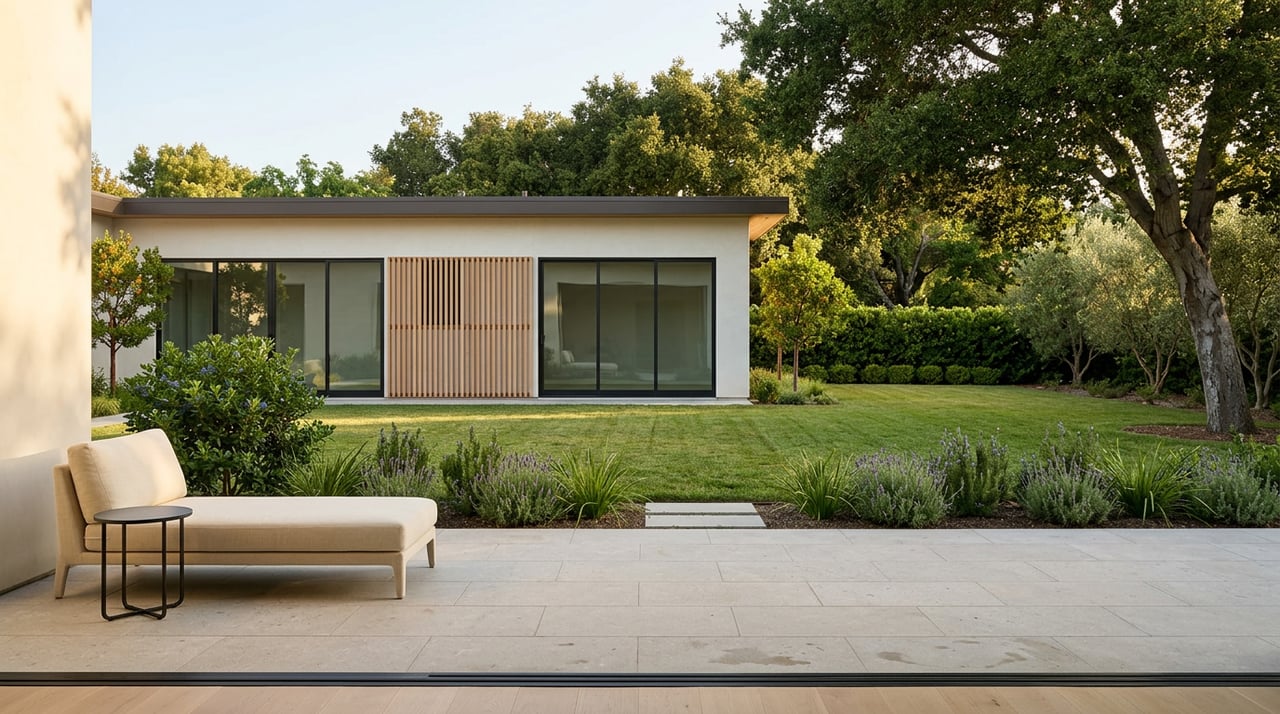
If you prioritize privacy, space to roam, and trail access, Los Altos Hills stands out. Larger parcels and a rural feel create an estate lifestyle, with room for play areas, a pool, or even equestrian elements. The trade-off is more driving for daily errands and lower walkability in most neighborhoods.
Schools: districts and verification
Most K–8 students in both communities attend the Los Altos School District. Its schools are widely regarded for strong academics and programs. For the latest boundary and program details, start with the district site at the Los Altos School District.
High school students generally attend the Mountain View–Los Altos Union High School District, which operates Los Altos High School and Mountain View High School. School boundaries do not always align with city or town lines, so always verify a specific address with the district tools at MVLA and LASD before you make a decision.
Lot size and zoning rules
A core difference between the two places is parcel size. In Los Altos Hills, long-standing land-use policy emphasizes very low density. The town’s zoning generally requires a minimum lot size of one acre for new single-family parcels, which shapes its open, estate character. You can see the policy basis in town documents hosted by Los Altos Hills.
Los Altos uses traditional single-family zones with smaller minimum sites. A common district, R1-10, requires a 10,000 square foot minimum for new lots, with some areas zoned for larger. This produces a more suburban fabric with sidewalks, closer neighbors, and easy access to village amenities. You can review the city’s housing element for zoning context on the City of Los Altos.
Walkability and downtown access
Los Altos offers a true walkable downtown, known as the Village. You will find farmers’ markets, family events, and more than 150 shops and restaurants in a compact grid, which supports quick errands and meetups. For a feel of the calendar and street life, browse the Downtown Los Altos events.
Los Altos Hills is intentionally low density and does not have a commercial center inside town limits. Many addresses score in the single digits or low teens for Walk Score, which means most errands require a car. To see a typical example, check a hillside property’s rating on Walk Score. If walking to a coffee shop or playground is a priority, note this gap clearly.
Commute and transit reality
Transit access and commute times differ across the two places. Los Altos sits closer to Caltrain stations and multiple bus routes in the Mountain View and Palo Alto corridors, which can shorten door-to-door times for some commuters. Census snapshots put the mean travel time to work in Los Altos at about 22.3 minutes.
In Los Altos Hills, most residents rely on driving to reach Page Mill, Arastradero, Foothill Expressway, or I-280 for regional access. The mean commute time trends longer at about 29.2 minutes. Your actual time will be driven by your destination and peak-hour conditions, so test your route to Stanford, Google, Apple, or downtown San Jose during your typical commute window.
Outdoor access and parks
If you love trails and open space, Los Altos Hills offers immediate access. Major nearby preserves include Rancho San Antonio, Byrne Preserve, and corridors that connect to Westwind and Hidden Villa. Rancho San Antonio’s Deer Hollow Farm is a popular family outing and is described by Midpen Open Space as a regional resource.
Los Altos offers neighborhood parks, library programming, and youth sports close to home. It is ideal for quick playground stops, bike rides to town, and everyday outdoor time without a car. Many families choose Los Altos for this daily convenience even if they also visit the larger preserves on weekends.
Utilities and site planning
In Los Altos Hills, utility conditions can vary by parcel. Water service is primarily provided by Purissima Hills Water District in the north and California Water Service in the south, with some historic wells in the mix. For district operations and planning context, visit Purissima Hills Water District.
Sewer service is not universal in the Hills. Historically, about half of parcels use private septic systems while others connect to nearby city systems where lines exist. Septic capacity, setbacks, and maintenance history are important factors for remodels and additions. A town planning document summarizes these conditions and is referenced in the Los Altos Hills general plan housing section.
Hillside parcels may also be subject to slope and ridge-protection rules that limit buildable area and maximum floor area. If you plan a significant project, expect additional review steps. The municipal code outlines these standards, which your architect or engineer can interpret with you, and you can preview them via the town’s code portal at LAH code resources.
Housing styles and the market
In Los Altos, you will see a blend of mid-century ranch homes, Craftsman-inspired rebuilds, and custom new construction. There are also small enclaves of Eichler homes that reflect the area’s mid-century design legacy, including noted tracts around Fallen Leaf Park and Parsons Way. For design context, see this overview of Los Altos Eichlers.
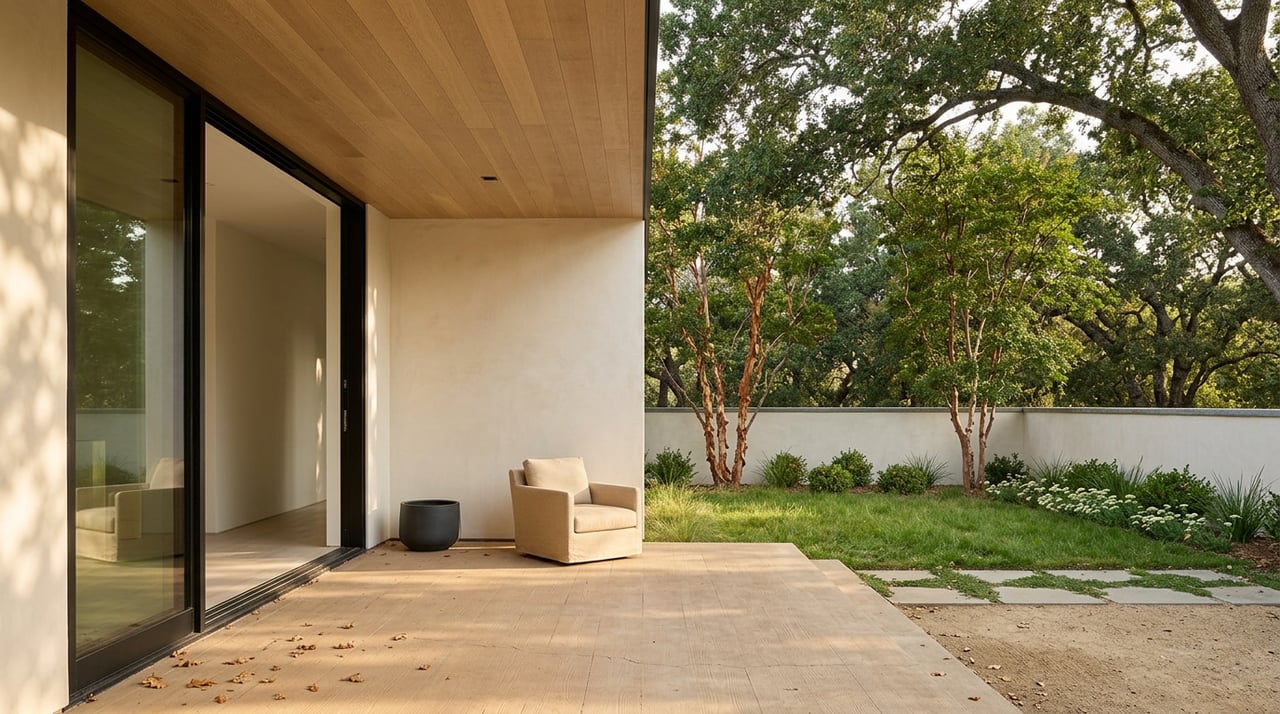
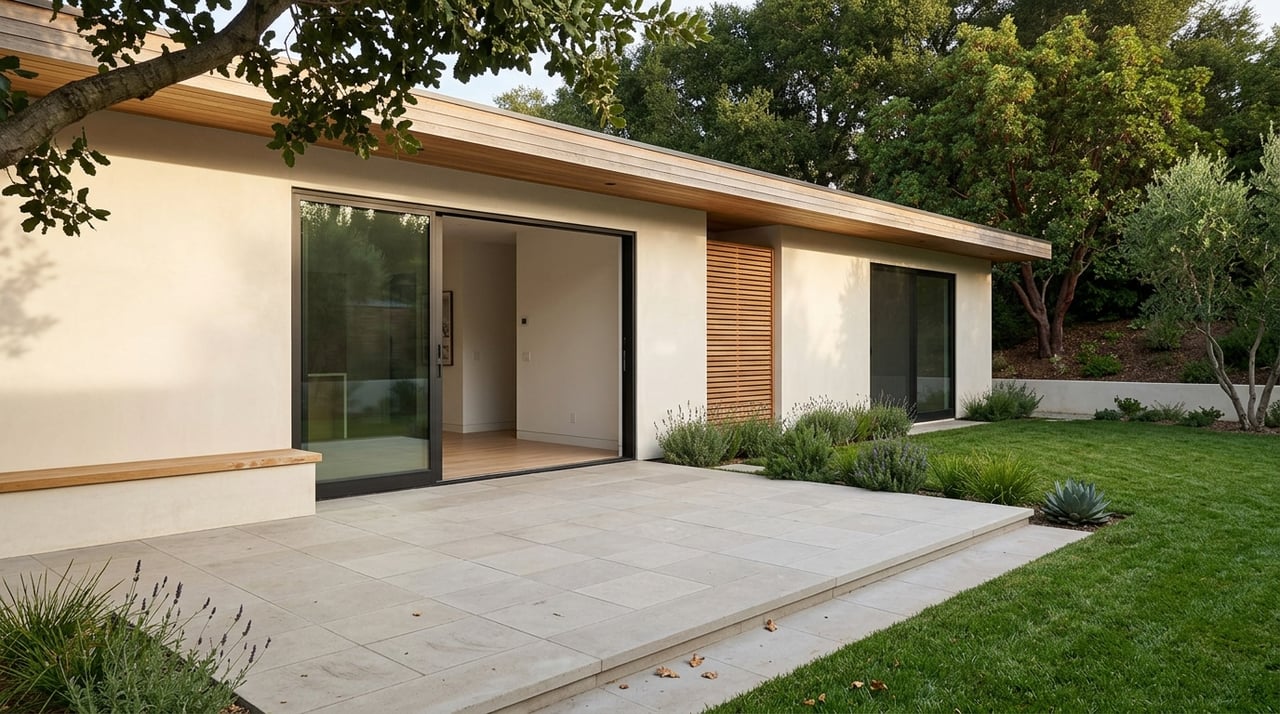
Los Altos Hills is predominantly custom estates across many styles, often with pools, guest houses or ADUs, and expansive outdoor living. Architecture tends to be bespoke rather than tract-based due to large lots and hillside settings. Privacy, views, and indoor-outdoor layouts are common goals.
Pricing sits at the top tier of the Peninsula in both communities. Market snapshots vary by month and provider, and medians can swing when a few ultra-luxury sales close. Recent data sources like Redfin’s Los Altos market page and your agent’s MLS report will give you a current reading. Always pair the number with the date and look at list-to-sale ratios, days on market, and inventory to understand momentum.
Quick decision guide
Use this side-by-side to pressure-test your fit:
- Choose Los Altos if you want short school walks, a lively village routine, faster access to transit, and smaller yards to maintain. Trade-off: less acreage and more neighbors nearby.
- Choose Los Altos Hills if you want privacy, large outdoor spaces for kids and pets, room for a pool or guest house, and direct trail access. Trade-off: more driving, lower walkability, some parcels on septic, and possible slope constraints for construction.
- Commute check: Los Altos averages about 22 minutes and Los Altos Hills about 29 minutes. Test your route for your specific employer during peak hours.
- School check: LASD and MVLA serve much of both communities, but always verify by address with the district tools.
What this means for your search
Start by mapping your daily life. If you picture walking to dinner, library programs, or a Saturday market, target Los Altos neighborhoods near the Village. If you want room to spread out, host friends by the pool, or access long trails on foot, lean toward the Hills.
If you plan to renovate, factor in utilities and topography early. In Los Altos Hills, confirm whether the property is on sewer or septic and ask for pumping and permit records. Review slope and buildable-area rules before you design an addition. In Los Altos, smaller lots may cap expansion potential, so a strategic interior rework or second-story addition can deliver value without overbuilding the site.
Ready to compare specific streets, schools, and parcels or to prep your current home for a premium sale? Reach out to Tom Correia for local guidance, off-market sourcing, and hands-on renovation advice that protects your time and maximizes your outcome.
FAQs
Is Los Altos or Los Altos Hills more walkable for families?
- Los Altos is more walkable thanks to its compact Village with shops, dining, and events, while Los Altos Hills is low density and most errands require driving.
How do public school assignments work in Los Altos and Los Altos Hills?
- Much of both areas feeds LASD for K–8 and MVLA for high school, but boundaries do not match city lines, so always verify any address with the district tools before you buy.
What lot sizes should I expect in Los Altos vs Los Altos Hills?
- Los Altos commonly has single-family lots around 10,000 square feet in R1-10 zones, while Los Altos Hills generally requires a 1-acre minimum for new single-family parcels.
Are septic systems common in Los Altos Hills?
- Yes, many Hills parcels use private septic while others are on sewer where lines exist, so confirm service type, capacity, and maintenance history during due diligence.
How do commutes compare between the two communities?
- On average, Los Altos residents report shorter mean commutes than Los Altos Hills, but your actual time depends on job location and peak-hour traffic, so test your route.
What home styles will I find in each area?
- Los Altos offers mid-century ranch, Craftsman-inspired rebuilds, and some Eichlers, while Los Altos Hills features custom estates across styles with larger lots and outdoor amenities.