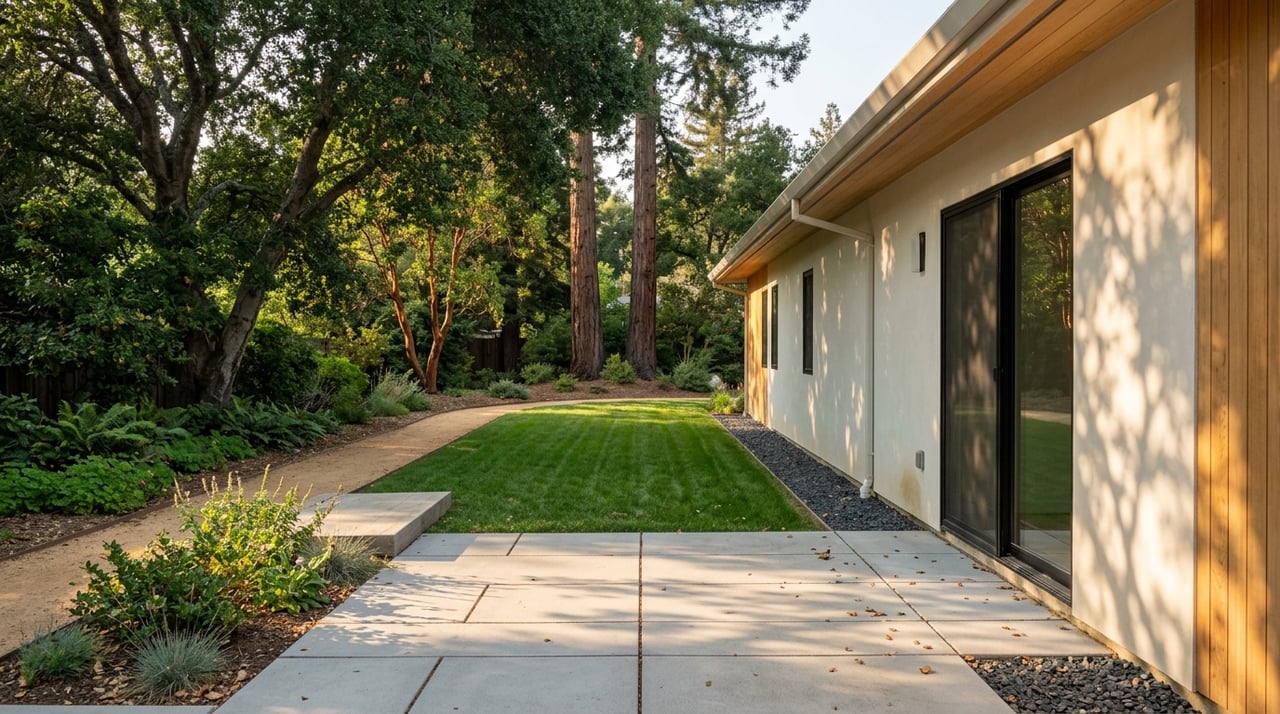
Wondering why two Portola Valley homes with similar price tags can feel completely different once you visit them? In this town, your day-to-day experience is shaped by more than square footage or street name. Lot size, slope, trail access, weather exposure, and review rules all play a big role. If you are thinking about buying here, this guide will help you understand how Portola Valley really works so you can compare properties with more confidence. Let’s dive in.
Why Portola Valley Feels Different
Portola Valley was incorporated to preserve beauty and low-density housing, and that goal still shapes the town today. According to the Town of Portola Valley history page, the town has about 4,500 residents, 1,700 households, and roughly 1,900 acres of permanent open space.
That identity shows up in the way homes are placed on the land. The town’s planning framework emphasizes preserving the natural environment, protecting drainage, and allowing development that fits local geology and terrain. A town planning document also notes that about 70% of undeveloped land has slopes greater than 30%, which helps explain why Portola Valley does not look or function like a typical Peninsula suburb.
For you as a buyer, that means the property itself often matters as much as the address. Two homes may be close together on a map, but their land, sun exposure, and access can create very different living experiences.
How Lot Size Really Works
In Portola Valley, lot size is not just about how much land you own. It also affects what can be built, how the home sits on the site, and how much flexibility you may have over time.
The town’s zoning map shows three residential districts: R-E, R-1, and M-R. The housing framework also ranges from lower-intensity areas with less than one acre per housing unit to open residential areas with more than four acres per housing unit.
Most residential land is also shaped by slope-density rules. The town’s general plan identifies areas like Westridge in SD-2.5, the Upper Western Hillsides in SD-3, and the Lower Western Hillsides, Blue Oaks, the Stanford Wedge, and the Woods property in SD-2.
The practical takeaway is simple: steeper land usually requires larger parcels. The town’s slope-density table shows that minimum parcel area can range from about 1 to 3 acres on very gentle slopes, then rise to roughly 8.7 acres or more on slopes above 50%, depending on the district.
So when you compare listings, avoid assuming that a bigger lot always gives you more usable options. In Portola Valley, buildability can vary sharply based on terrain.
What Shapes The House Envelope
A lot may look generous on paper, but that does not automatically mean you can expand freely. The town’s floor area and impervious surface guidelines make clear that allowed floor area depends on parcel acreage, average slope, zoning district, and geologic or flood constraints.
The same handout notes that properties must provide at least two covered parking spaces. That is another reminder that the usable house envelope is determined by several layers of rules, not just by parcel size.
This is especially important if you are buying with plans to remodel, rebuild, or add living space. A home with clear upside often starts with a careful review of zoning, slope, and site constraints before you get too attached to a concept.
ADUs And Future Flexibility
If you are thinking long term, an ADU may be part of your buying criteria. Portola Valley allows ADUs in all zoning districts, according to the town’s ADU quick overview.
That said, some parcels may face limits tied to fire-safety conditions such as ingress and egress, slope, and road width. For buyers, this means future flexibility should be evaluated property by property.
If you want room for guests, extended household use, or a more flexible layout over time, it is worth looking beyond the main house. In Portola Valley, the right parcel can matter just as much as the current floor plan.
Why Design Review Matters
Portola Valley has a strong site-driven design culture. The Architectural and Site Control Commission exists to preserve visual character, public safety, and general welfare while preventing excessive clearing, grading, and poorly related additions.
In practical terms, this means architecture here tends to respond closely to the land. Homes are often designed around slope, trees, and natural setting rather than pushed into a one-size-fits-all pattern.
For you, that can be a positive. It helps maintain the town’s visual character, but it also means remodeling plans should respect site conditions and review standards from the start.
Trails Are Part Of Daily Life
In many towns, trails are a bonus. In Portola Valley, they are part of the local identity. The town’s trail system page says there are nearly as many miles of trails as roads.
That can shape how you choose a home. If walking, riding, or direct access to open space matters to you, trail proximity may be one of the most valuable lifestyle features in your search.
One of the best-known nearby destinations is Windy Hill Open Space Preserve. Midpen notes that the lower parking area is on Portola Road, overflow parking is available at Town Center, and the Portola Trail connects the Town Center to the lower parking area.
Another important open-space feature is Coal Mine Ridge Nature Preserve, especially for buyers looking at Portola Valley Ranch or Blue Oaks. The preserve spans 235 acres within those communities, and its rules state that dogs and bicycles are not permitted there.
That is a good example of how trail access should be considered with the details in mind. Access can be a major benefit, but each preserve may have different use rules.
Comparing Areas By Lifestyle Fit
Portola Valley is often easiest to understand by tradeoffs. Instead of thinking only by neighborhood name, it helps to compare areas by access, parcel size, and weather exposure.
Westridge is described in a recent town road-safety plan as trail-oriented and horse-friendly. Portola Valley Ranch, by contrast, has sidewalks along virtually all roads and trail connections to Coal Mine Ridge, with more than 200 houses developed in the 1970s and 1980s.
That gives Portola Valley Ranch a more cohesive, planned feel than some of the larger-lot hillside areas. If you want easier circulation and built-in trail connections, that may appeal to you.
Lower Portola Valley also centers around the Town Center, which includes the library, Community Hall, Town Hall, fields, maintenance facilities, and the Historic Schoolhouse. For some buyers, being closer to this civic hub adds convenience and a stronger sense of connection to town services and events.
A useful way to think about your options is this:
- Convenience-oriented locations may offer easier access to roads, civic uses, and trail links.
- Privacy-oriented locations may offer more seclusion, larger-feeling settings, and stronger open-space character.
- Hillside locations may deliver views and privacy, but often come with more weather exposure and site constraints.
Microclimates Can Change Your Experience
Portola Valley covers about 5,785 acres and ranges from just below 300 feet to more than 1,800 feet in elevation. The town’s climate materials report average annual precipitation of about 15 inches, with most rain falling from November through April and a dry period that usually lasts more than six months.
For a broader Peninsula baseline, NOAA’s nearby Palo Alto climate station shows a 1991 to 2020 annual mean temperature of 58.5°F and annual precipitation of 15.12 inches. But Portola Valley itself does not live like one uniform climate zone.
The town’s land-use element says the upper western hillsides are colder, foggier, windier, less geologically stable, and more remote from roads and services. It also notes that the lower western hillsides have better access to roads, utilities, and shopping.
That is why microclimate is often a property-specific issue here. A lower, more sheltered parcel may feel noticeably different from a ridge or upper-hillside site, even within the same town.
What Microclimate Means For Buyers
When you tour homes in Portola Valley, pay attention to more than the interior finishes. Sun, wind, fog, and access can affect how a property feels every day.
You may want to think about:
- Morning and afternoon sun exposure
- Wind on decks, patios, or ridge-facing yards
- Fog patterns at different elevations
- Irrigation needs during the long dry season
- Driveway and road access during wet weather
- Outdoor comfort across different parts of the lot
A home that looks ideal online may feel cooler, windier, or more exposed in person. Visiting at different times of day can give you a much better read on how the site actually lives.
Wildfire Readiness Is Part Of The Equation
In Portola Valley, wildfire readiness is not a side issue. The town has a Wildfire Preparedness Committee and recommends defensible-space zones of 0 to 5 feet, 5 to 30 feet, and 30 to 100 feet.
The town also notes that some parcels are constrained by ingress and egress, slope, and road width. For buyers, this means a dramatic hillside setting may also require more attention to access, vegetation management, and home hardening.
That does not mean you should avoid these properties. It simply means you should evaluate the full picture, including maintenance demands and site conditions, before making a decision.
Questions To Ask Before You Buy
In a market like Portola Valley, the right questions can save you time and help you avoid surprises. Before you move forward on a property, consider asking:
- Which zoning district and slope-density overlay apply to the parcel?
- Is there HOA review, ASCC review, or both?
- How much house area is realistically supported after slope and site constraints are applied?
- Is an ADU feasible on this parcel?
- How close is trail access, and are there use restrictions?
- Does the property feel more convenience-oriented or privacy-oriented?
- How do fog, wind, sun, and wildfire considerations affect day-to-day living here?
These are the kinds of details that can separate a good fit from a frustrating one.
Buying With A Site-First Mindset
The smartest way to buy in Portola Valley is often to think site first, house second. The structure matters, of course, but the land, exposure, trail access, and development envelope usually have the biggest impact on your long-term experience.
If you are comparing properties here, it helps to work with someone who understands not just the map, but how the lots actually live. From evaluating remodel potential to spotting site constraints early, local guidance can make a real difference. If you want a practical, property-by-property view of Portola Valley, connect with Tom Correia for thoughtful local guidance tailored to your goals.
FAQs
What makes buying a home in Portola Valley different from buying in other Peninsula towns?
- Portola Valley is shaped by low-density planning, larger parcels, slope constraints, trail access, and property-specific microclimates, so homes often live very differently from one site to another.
What should buyers know about lot size in Portola Valley?
- Lot size does not tell the whole story because slope-density rules, zoning, geology, and floor-area limits can all affect what a parcel can actually support.
What should buyers know about trails in Portola Valley?
- Trails are a major part of daily life in Portola Valley, with nearly as many miles of trails as roads, but some preserves have specific use restrictions such as no dogs or bicycles at Coal Mine Ridge.
What should buyers know about microclimates in Portola Valley?
- Portola Valley’s elevation and terrain create site-specific conditions, and upper hillside parcels can be colder, foggier, windier, and more exposed than lower, more sheltered locations.
What should buyers ask about remodeling or adding an ADU in Portola Valley?
- Buyers should ask about zoning, slope-density overlay, floor-area limits, fire-safety constraints, and whether ASCC or HOA review applies, since all of these can affect future plans.
What should buyers know about wildfire readiness in Portola Valley?
- Wildfire readiness is an important part of ownership in Portola Valley, and buyers should understand defensible-space guidance, access conditions, slope, and road-width considerations for any parcel they are considering.