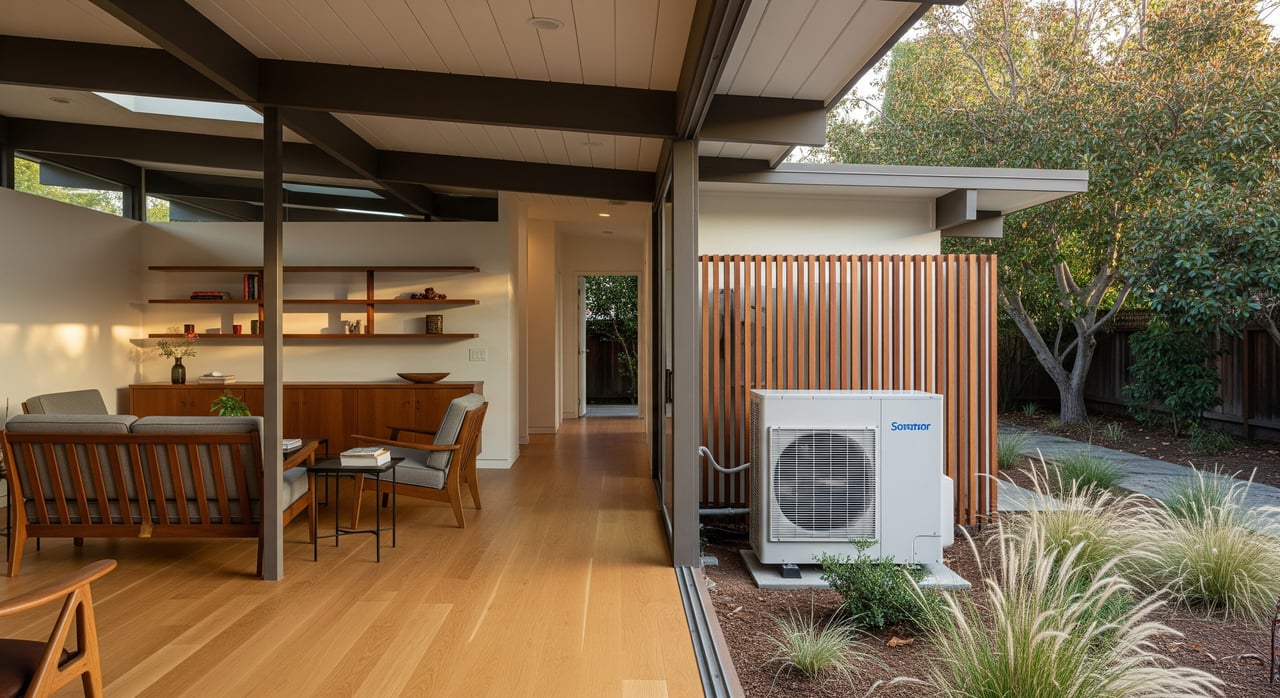
Is your Eichler’s in‑slab radiant heat starting to show its age, or are you simply ready to add cooling without sacrificing that mid‑century vibe? You are not alone. Many Old Palo Alto and Palo Alto homeowners are weighing heat pumps to supplement or replace original boilers while keeping comfort and aesthetics in balance. In this guide, you will learn practical heat pump options that fit Eichlers, how to plan for electrical and permitting, and what to expect for costs and next steps. Let’s dive in.
Why Eichler heating is different
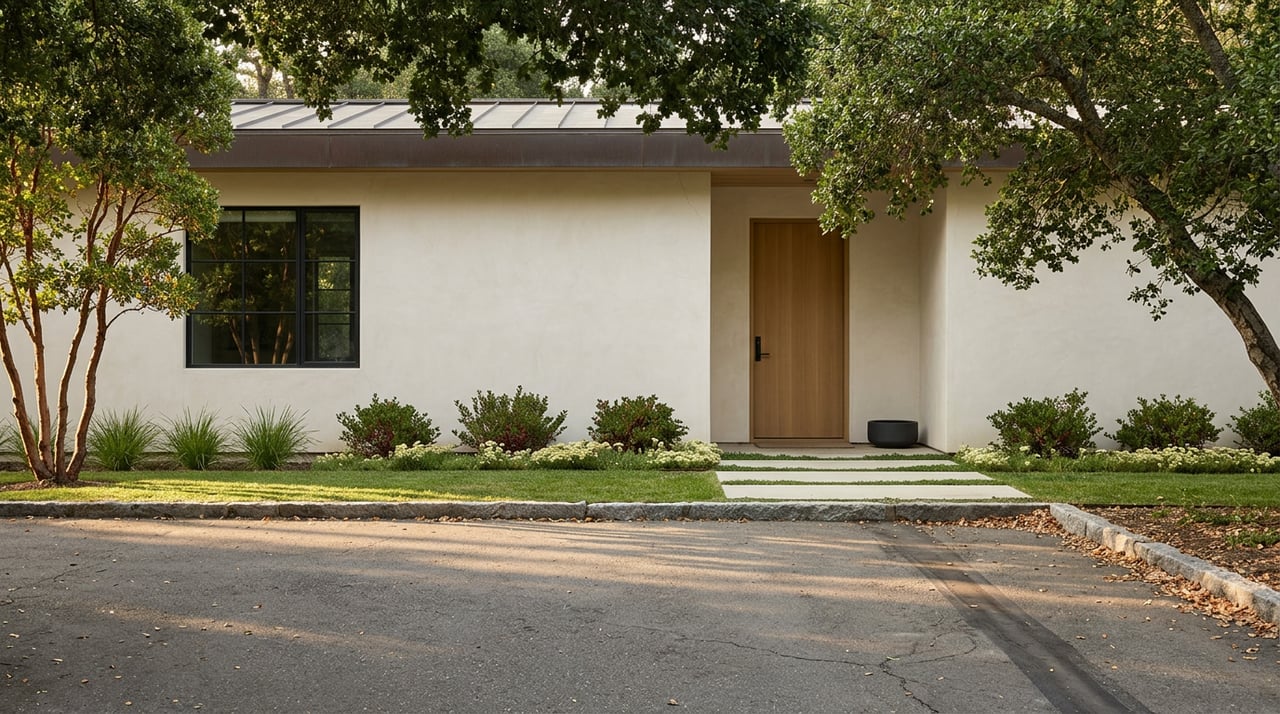
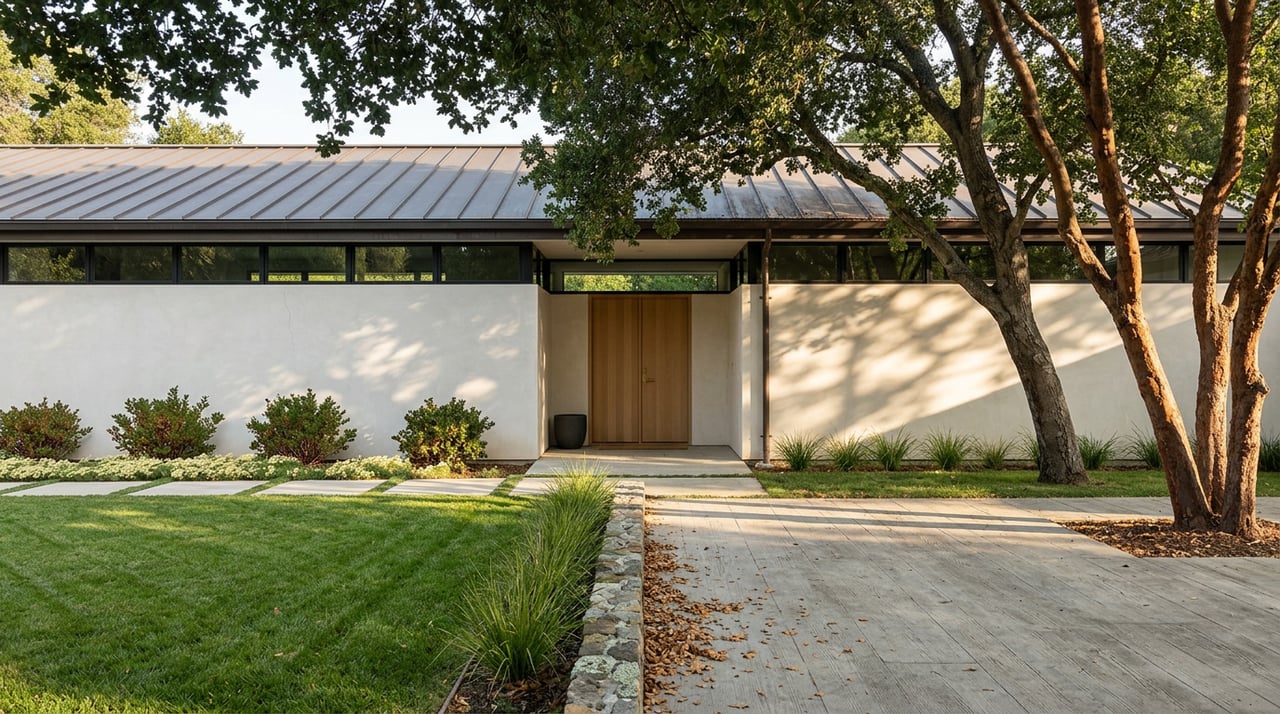
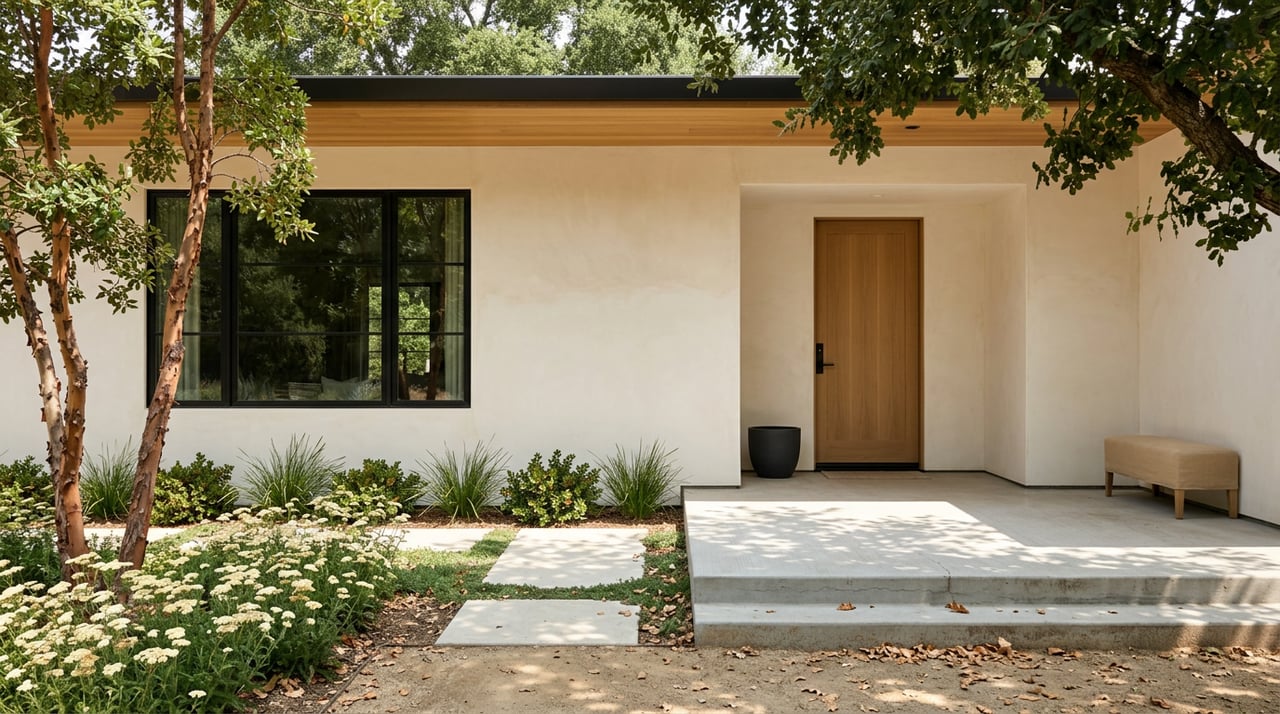
Eichlers often rely on hydronic tubing embedded in the slab, originally served by a gas boiler. The slab’s thermal mass delivers slow, even heat that feels comfortable and steady. Many homes also have exposed beams, minimal ceiling cavities, and floor‑to‑ceiling glass. That architecture limits space for conventional ducts and shapes how you add or replace systems.
Homeowners commonly retrofit to add cooling, replace aging boilers, reduce carbon, and improve zoning. Air‑source heat pumps provide efficient heating and cooling in one system. The feel is different from radiant, but with good sizing and thoughtful distribution, you can reach equal comfort. If you like the slab’s steady warmth, you can keep it and add targeted heat pumps for peak loads and summer cooling.
Heat pump paths that fit Eichlers
Before you choose, get familiar with how heat pumps work and their benefits. The U.S. Department of Energy’s heat pump basics explain performance and key tradeoffs. In Palo Alto’s mild climate, all three options below can work well.
Ductless mini‑splits (multi‑zone)
Ductless systems pair a small outdoor unit with compact indoor heads. They require only refrigerant lines, a drain, and a small wall penetration. You get high efficiency, zoning by room, and reliable cooling without large ducts. For many Eichlers, this is the least invasive path and preserves the interior look.
The tradeoffs are visual. Multiple indoor heads will be visible, and outdoor condensers need careful placement to manage noise and views. Whole‑house multi‑zone equipment can also raise costs compared to a single zone. In Palo Alto’s climate, standard models perform well, and cold‑climate versions are available if you want extra margin.
Compact ducted and mini‑duct systems
If you prefer a cleaner look, low‑profile ducted systems or high‑velocity mini‑duct solutions can hide equipment. Short duct runs from a closet, utility space, or low soffit can serve several rooms while keeping outlets discreet. You may also integrate central filtration and humidity control.
The challenge is space. Many Eichlers lack attic volume for traditional ducts. Adding soffits or lowering ceilings can be disruptive and costly. If your layout allows short, concealed runs, this approach can deliver comfort without prominent indoor heads.
Air‑to‑water heat pumps for radiant slabs
Air‑to‑water heat pumps produce hot water for your existing hydronic tubing, replacing the gas boiler. You keep the radiant feel and the slab’s steady comfort. Interior changes are minimal, which helps preserve mid‑century interiors.
Plan carefully. Many units are optimized for lower water temperatures. Older boilers often delivered higher temperatures, so you may need larger capacity, a buffer tank, or controls to maintain comfort and efficiency. These systems carry higher upfront costs and require installers with hydronic experience, but they protect the Eichler look you value.
Hybrid strategies that work
Hybrid setups are common in Palo Alto. You can keep the radiant slab as base heat, then add ductless or compact ducted heat pumps for fast warm‑up, zoning, and cooling. Some homeowners also switch the boiler to a heat‑pump water source for the slab and still add a few mini‑splits where quick response or AC is important. This approach can reduce total equipment size, preserve comfort, and improve year‑round usability.
For regional context and contractor guidance as you compare options, review BayREN’s heat pump resources.
Palo Alto envelope and site planning
Palo Alto’s Mediterranean climate means moderate heating loads and excellent heat pump performance. Still, your envelope sets the stage. Improvements in ceiling and wall insulation, air sealing around sliders and windows, and better glazing or shading can lower heating demand. These upgrades make a smaller, quieter heat pump viable and improve comfort near glass.
Outdoor placement takes thought in Old Palo Alto and nearby neighborhoods. Try to locate condensers in side yards, behind lattice screens, or in other low‑visibility areas. On some flat roofs, platforms with vibration isolation can work, but always plan for safe service access. If your property is a historic resource or within a conservation area, confirm exterior changes with the city before you install.
Power, permits, and incentives
Electrification often adds load. A single mini‑split might only need a dedicated 120 or 240‑volt circuit, while multi‑zone or whole‑house systems may require 30 to 60 amp circuits per compressor. Many homeowners upgrading heat and adding EV charging choose to increase the main panel to 200 amps after a load calculation.
Within city limits, you will need mechanical and electrical permits through the City of Palo Alto. California’s Title 24 energy code applies to HVAC changes, including duct sealing and equipment efficiency requirements. For code guidance, consult the California Energy Commission’s Building Energy Efficiency Standards.
Rebates and tax credits change often. Start with City of Palo Alto Utilities for local programs, and check BayREN for regional incentives and contractor resources. For a complete incentive search, use DSIRE’s database. If you plan to add or modify solar to offset new electric loads, review the CPUC’s current net metering rules; the commission’s page on NEM policies outlines recent changes.
Budget and payback basics
Costs vary by home size, equipment type, and installation complexity. Single‑zone mini‑splits are often the lowest cost per zone. Whole‑house multi‑zone systems and compact ducted installations land in the mid to high range. Air‑to‑water heat pumps that convert the slab generally cost more due to equipment, integration, and controls.
Payback depends on electricity and gas rates, how much you heat and cool, and the value you place on comfort and cooling. Incentives can help materially, but they shift over time. Ask for lifecycle comparisons that include installation cost plus estimated yearly energy use. A Manual J load calculation improves accuracy and avoids oversizing.
Choosing your path: quick checklist
- Define goals: replace a failing boiler, add cooling, eliminate gas, or preserve aesthetics.
- Get diagnostics: energy audit, blower door test if possible, slab and boiler inspection, and a look at windows and insulation.
- Run load calculations: Manual J for heating and cooling. If converting the slab, have the hydronic loop reviewed for temperature and flow needs.
- Compare proposals: get two to three detailed bids for ductless, compact ducted, air‑to‑water, and hybrid options.
- Plan electrical early: schedule a load calculation and panel review to avoid surprises.
- Confirm permits and rebates: check City of Palo Alto and BayREN, then verify broader incentives on DSIRE.
- Require commissioning: plan for performance verification and Title 24 testing where required.
Final thoughts and next steps
Upgrading an Eichler is not one‑size‑fits‑all. The right solution respects the home’s architecture, keeps daily comfort front and center, and plans ahead for electrical, permitting, and incentives. In Old Palo Alto and across the city, a tailored mix of envelope improvements and carefully chosen heat pumps will deliver year‑round comfort and preserve your home’s character.
If you are weighing upgrades before selling or want to understand how a heat pump plan affects value, reach out for local guidance and a clear plan. Request a Free Home Valuation with Unknown Company, and get practical next steps for your specific home and goals.
FAQs
Can a heat pump replace my Eichler’s boiler and keep radiant heat?
- Yes. An air‑to‑water heat pump can supply the existing hydronic slab, but it requires careful design to match water temperatures, and often uses a buffer tank and advanced controls.
Will ductless mini‑split heads change my Eichler’s look?
- Indoor heads are visible. Ceiling cassettes and low‑profile options exist, but placement is key in Eichlers with exposed beams. Many owners balance a few discreet heads with thoughtful siting.
Do I need to upgrade my electrical panel for heat pumps?
- Possibly. Whole‑house systems and added loads like EV charging often trigger a panel upgrade. Ask an electrician for a load calculation before choosing equipment.
Are heat pumps effective in Palo Alto’s mild winters?
- Yes. The local climate suits air‑source heat pumps well, and you also gain efficient cooling for warmer months. Proper sizing and zoning are important for comfort.
Where should I place the outdoor unit to manage noise and views?
- Side yards, screened areas, or discreet roof locations with vibration isolation work well. Plan for service access and be mindful of neighbors and outdoor living spaces.