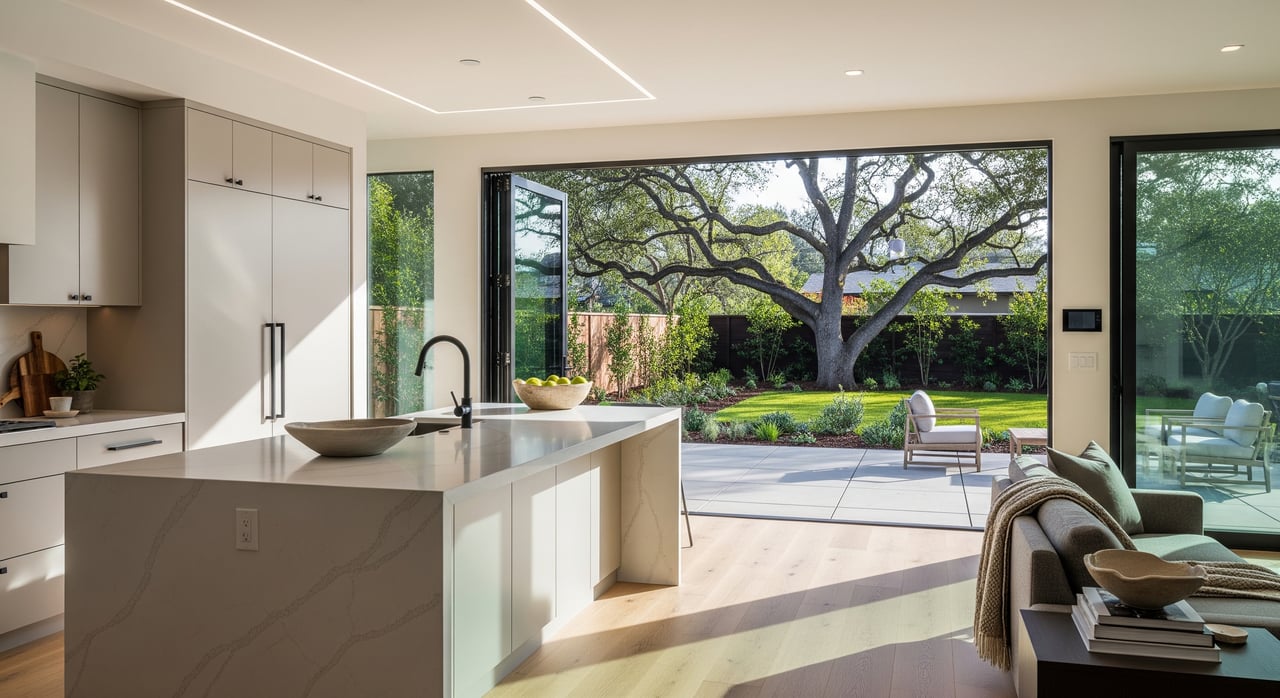
Thinking about selling your Palo Alto home in the next year? In this market, buyers will pay for quality, but they will also compare your home to recently updated listings. The right pre-listing upgrades can help you sell faster and for a stronger price without taking on a full remodel. This guide shows you where to invest, what to skip, how to plan your timeline, and which local incentives may help. Let’s dive in.
Why targeted upgrades matter in Palo Alto
Palo Alto sits in a high-value market where buyers expect modern systems, updated kitchens and baths, and clean, move-in-ready presentation. Since the 2021 to 2022 peak, the market has cooled and rebalanced, so buyers are more selective about condition. If you focus on visible, buyer-aligned improvements, you often see better returns than a costly overhaul. A smart plan reduces friction during negotiations and showcases value the moment a buyer walks in.
What local buyers prioritize
Typical Peninsula buyers include tech professionals, families connected to the Palo Alto Unified School District, and downsizers. They look for functional, modern kitchens, flexible spaces for remote work, quality primary suites and bathrooms, easy indoor to outdoor flow, and energy efficiency with EV readiness. If your home lines up with these priorities, you increase perceived value and reduce time on market.
Start with must-do repairs
Before you think about new finishes, fix anything that raises concern. Unresolved issues often lead to lower offers or credits during escrow.
- Address roof leaks, plumbing problems, HVAC malfunctions, termite or wood-decay damage, broken windows or doors, and any water stains.
- Order a pre-listing inspection so you can proactively repair or disclose issues and avoid surprises.
- Gather documentation. Keep receipts, permits, service records, and inspection summaries. Buyers and their agents will ask.
- Know what needs a permit. In Palo Alto, structural, electrical, plumbing, HVAC replacements, and roof replacements generally require permits. Cosmetic work like paint and hardware changes typically does not. Build in time for city review if your project is more than cosmetic.
High-impact cosmetic refreshes
If your systems are in good shape, the best returns often come from cost-efficient, high-visibility improvements.
- Interior paint: Choose neutral, warm tones that photograph well and fit Silicon Valley buyer taste. Fresh paint instantly modernizes rooms.
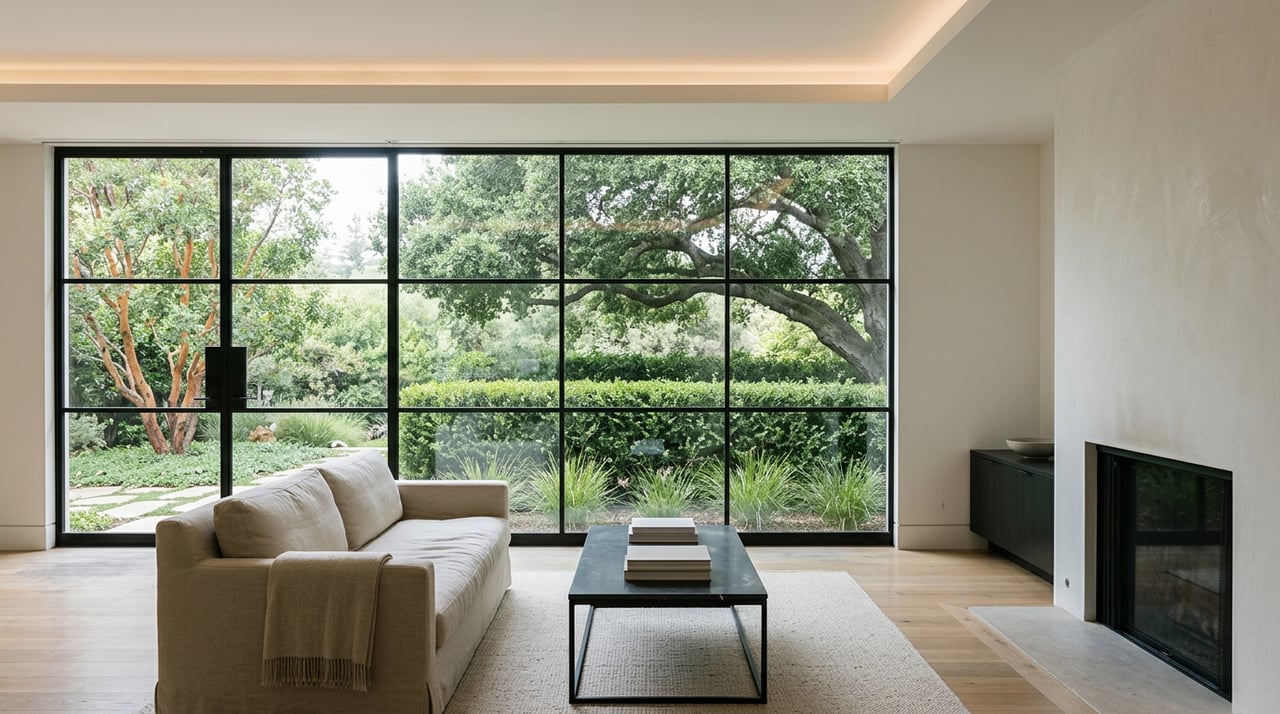
- Flooring: Refinish existing hardwood where possible, replace worn carpet, and consider engineered hardwood or neutral tile in high-traffic zones.
- Lighting and hardware: Swap dated light fixtures, cabinet pulls, door hardware, and switch plates for a clean, current look.
- Deep cleaning, decluttering, and staging: Professional presentation shortens days on market and can boost perceived value. Staging is one of the most cost-effective pre-listing investments.
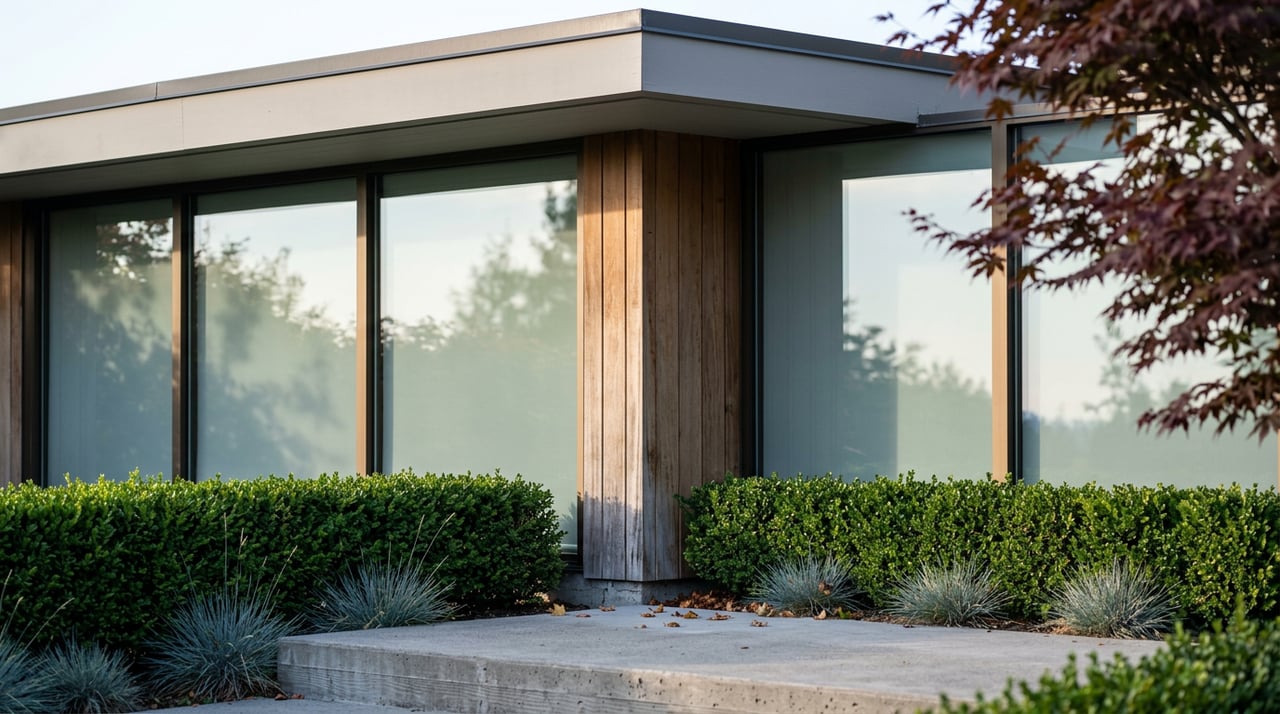
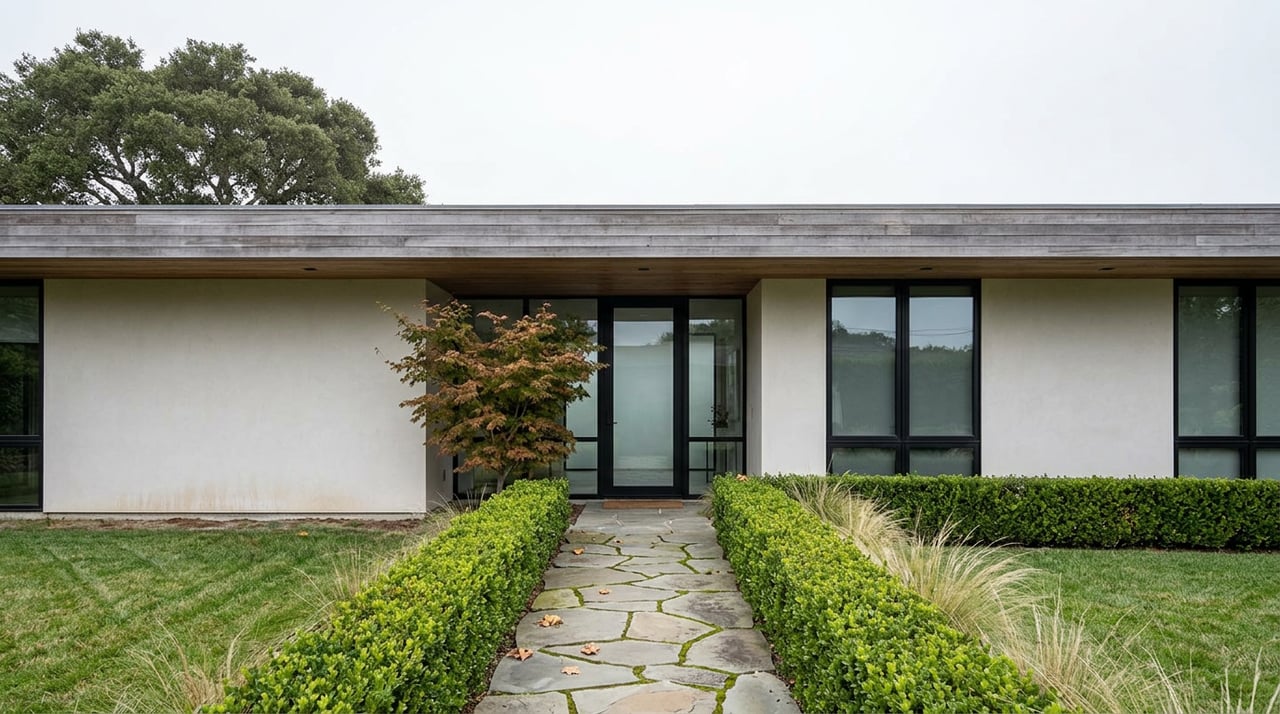
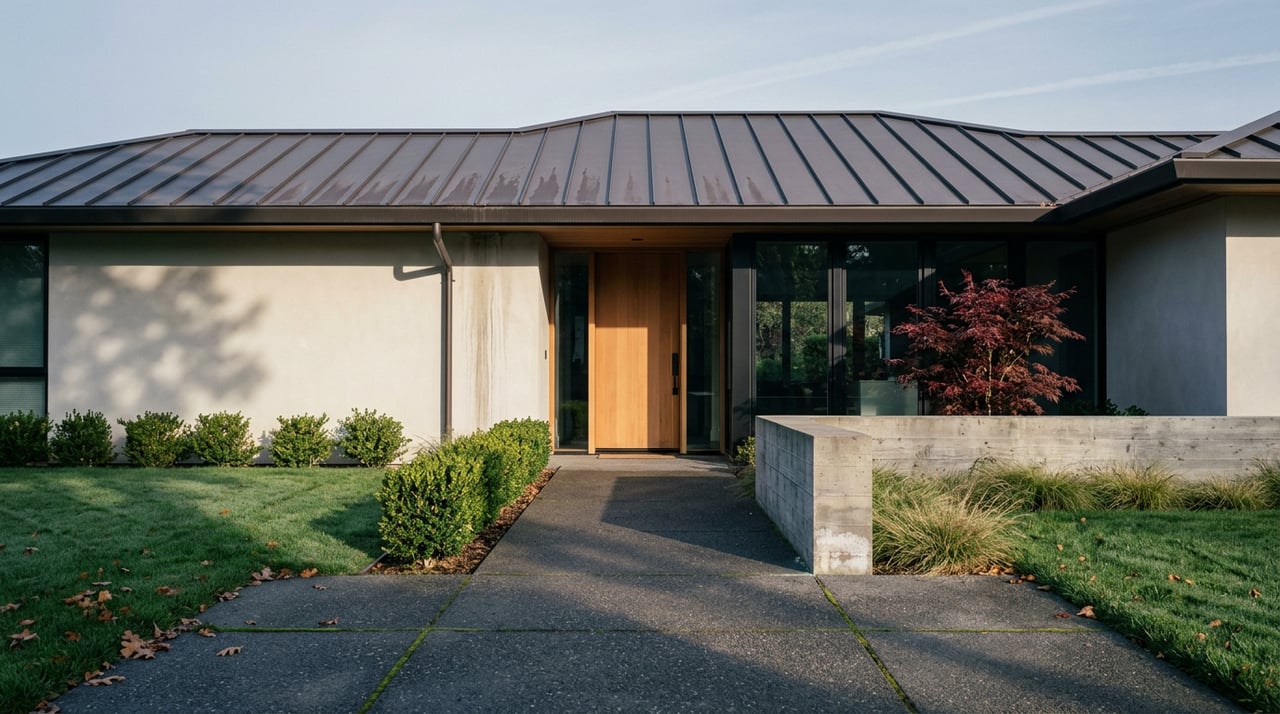
- Curb appeal: Trim landscaping, add mulch, power-wash hardscapes, and refresh the entry. Drought-tolerant planting is a plus, and local water agencies may offer turf-removal or irrigation rebates.
Kitchens that sell: refresh vs. remodel
You do not have to do a full gut renovation to impress buyers. Often, a targeted refresh outperforms a major remodel on ROI.
- Minor kitchen refresh: Paint or refinish cabinets, add modern hardware, install a fresh backsplash, replace dated countertops with quartz, upgrade the faucet, and update appliances if needed. This is usually the sweet spot for cost recovery.
- When to go bigger: If most competing listings have high-end, recently renovated kitchens or your layout is inefficient, a larger remodel can be justified. If you go this route, focus on function, durable finishes, and a neutral design that appeals to a wide audience.
Bathrooms buyers notice
Primary and hall baths matter in Palo Alto. A targeted refresh usually delivers strong ROI.
- Replace a vanity or vanity top, update fixtures and lighting, re-grout tile, and add clean-lined mirrors and hardware.
- Reserve full gut remodels for cases where comps clearly support it or condition requires it.
Systems, energy, and EV readiness
Major systems in good working order reduce buyer hesitation. If a system is near end-of-life, consider replacing it before you list so you do not lose leverage during escrow.
- HVAC, water heater, roof, and electrical service should be safe and functional. Documentation helps.
- Energy upgrades like heat-pump water heaters, double-pane windows, and attic insulation appeal to sustainability-minded buyers. Solar can be attractive, but ownership matters. Owned systems are straightforward. Leased or financed systems require careful disclosure and can add steps during the sale.
- EV readiness is a noticeable plus. A Level 2 charger or installed conduit is a small investment that many Silicon Valley buyers appreciate.
Smart-home and work-from-home appeal
Buyers want functional spaces for remote work and easy tech.
- Create a simple home office: good lighting, comfortable layout, tidy cable management, and strong Wi-Fi. If possible, provide wired Ethernet or a quality signal booster.
- Smart features like a programmable thermostat, video doorbell, and basic security system are cost-effective and align with tech buyer expectations.
Budget, timeline, and permits
If you are 6 to 18 months from selling, you have time to plan, price, and schedule work in a way that reduces stress.
- Typical cost ranges in the Bay Area:
- Interior paint: about $3,000 to $8,000 for smaller homes, more for larger ones.
- Flooring refinish or replacement: about $3,000 to $30,000 depending on size and materials.
- Minor kitchen refresh: about $8,000 to $40,000 based on counters, cabinet work, and appliances.
- Midrange bathroom refresh: about $6,000 to $25,000.
- Landscaping and curb appeal: about $2,000 to $20,000 based on scope.
- Level 2 EV charger installation: about $800 to $3,500 depending on panel capacity and distance.
- Timeline tips:
- Cosmetic work can often be completed in 2 to 8 weeks.
- Projects needing permits can take weeks to months for plan review and scheduling. Work with licensed contractors familiar with Palo Alto’s process.
- Always get 2 to 3 local bids. Bay Area labor and materials run above national averages. Confirm who handles permitting and inspections.
Avoid over-renovating
Do not outspend your neighborhood. Use a comparative market analysis to see what buyers expect in your price band. If a major project will push your cost beyond what comps support, consider a lighter refresh instead. The goal is to meet or slightly exceed buyer expectations, not to overbuild.
Make use of local incentives
Rebates can influence smart upgrade choices.
- Energy efficiency and electrification: Programs through regional networks and utilities may offer incentives for insulation, heat pumps, and other upgrades.
- EV charger and wiring: State and local programs may provide rebates for home charging infrastructure.
- Water-wise landscaping: Municipal water agencies often offer turf-removal and irrigation rebates, which support drought-tolerant designs.
- Seismic retrofit grants: Some programs periodically provide grants for qualifying homes. Availability changes, so check current offerings before you start.
Your 6 to 18 month action plan
Use this simple roadmap to stay organized and protect ROI.
Months 1 to 3: Assess and plan
- Hire a local agent to review comps and set a target prep scope.
- Order a pre-listing inspection to uncover needed repairs.
- Prioritize safety and code issues first, then presentation, then selective upgrades.
- Begin contractor outreach and gather 2 to 3 bids per trade.
Months 3 to 6: Execute high-ROI work
- Complete must-do repairs and any permits-in-hand projects.
- Tackle paint, floors, lighting, and hardware.
- Refresh kitchen and baths as needed to align with comps.
- Start landscaping improvements and curb appeal.
Months 6 to 9: Systems and efficiency
- Service or replace aging systems if they are likely to become negotiation points.
- Consider EV readiness, smart thermostat, and simple smart-home features.
- Apply for any available rebates that fit your project list.
Months 9 to 12: Presentation and logistics
- Declutter, donate, and store items off-site to open up rooms.
- Finalize staging plan for key spaces: living, dining, kitchen, primary suite, office.
- Schedule professional photography and videography.
Final 30 to 60 days: Launch ready
- Complete punch-list touch-ups and cleaning.
- Organize permits, warranties, and service records for buyer review.
- Review pricing strategy with your agent based on the latest sales and active competition.
What you can expect with a hands-on prep partner
A boutique, local advisor can simplify each step. You get guidance on which upgrades move the needle, trusted contractors who know Palo Alto permit requirements, and a coordinated plan for staging, photography, and launch. The result is a property that shows beautifully and answers buyer questions before they are asked. If you value a discreet, full-service approach with renovation know-how and neighborhood-level expertise, you will feel the difference.
Ready to map your pre-listing plan and budget? Connect with Tom Correia to align upgrades with your goals and timeline.
FAQs
What upgrades add the most value before selling in Palo Alto?
- Fix must-do repairs, then focus on fresh paint, flooring updates, lighting and hardware, staging, and a targeted kitchen or bath refresh if comps support it.
Should I remodel my kitchen before listing in Palo Alto?
- Often a minor refresh delivers better ROI than a full remodel; consider a larger project only if comparable homes have recently renovated, high-end kitchens or your layout is outdated.
Do I need permits for pre-listing work in Palo Alto?
- Cosmetic work like paint and hardware usually does not, but structural, electrical, plumbing, HVAC replacements, and roof work typically require permits and city review time.
Are energy upgrades and EV chargers worth it to buyers?
- Many buyers value efficiency and EV readiness; heat-pump water heaters, insulation, and a Level 2 charger can help, but document ownership and details if you have solar or financed systems.
How much does staging cost and is it worth it?
- Staging key rooms is one of the most cost-effective investments, often reducing days on market and boosting perceived value relative to similar listings.
How far in advance should I start pre-listing upgrades?
- A 6 to 18 month window gives you time for planning, bids, permits if needed, and polished execution without rushing your launch.