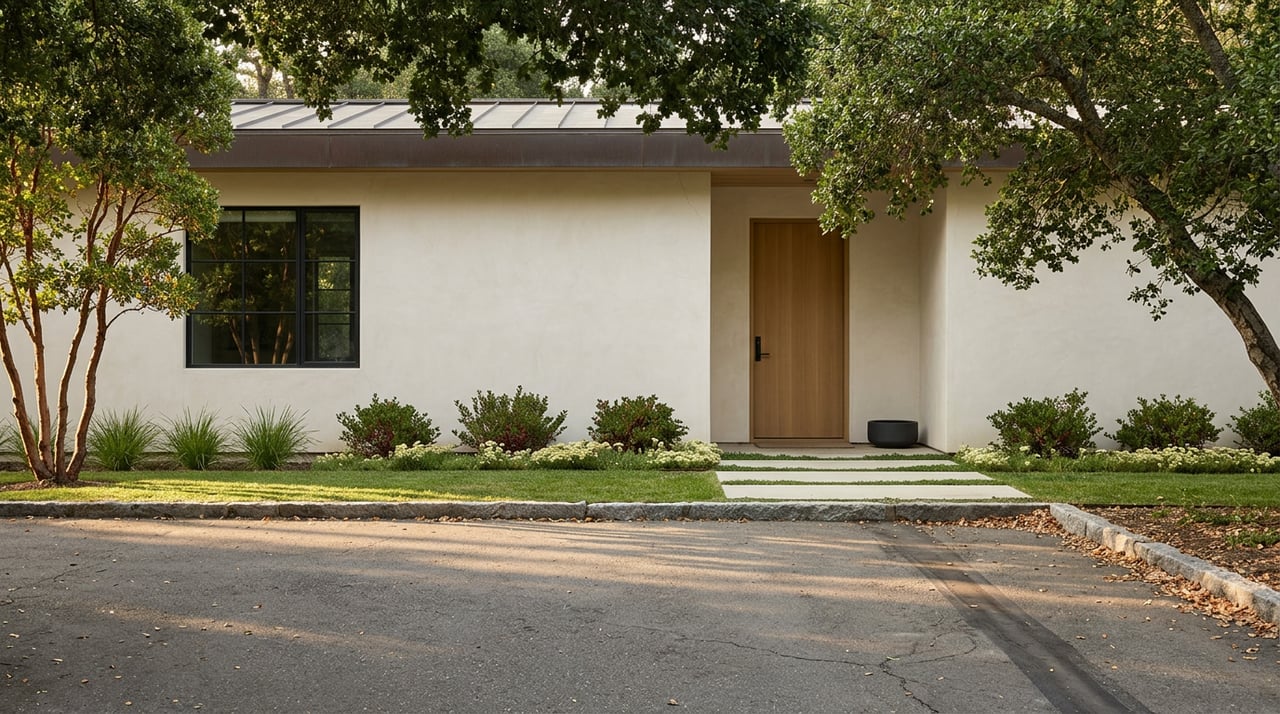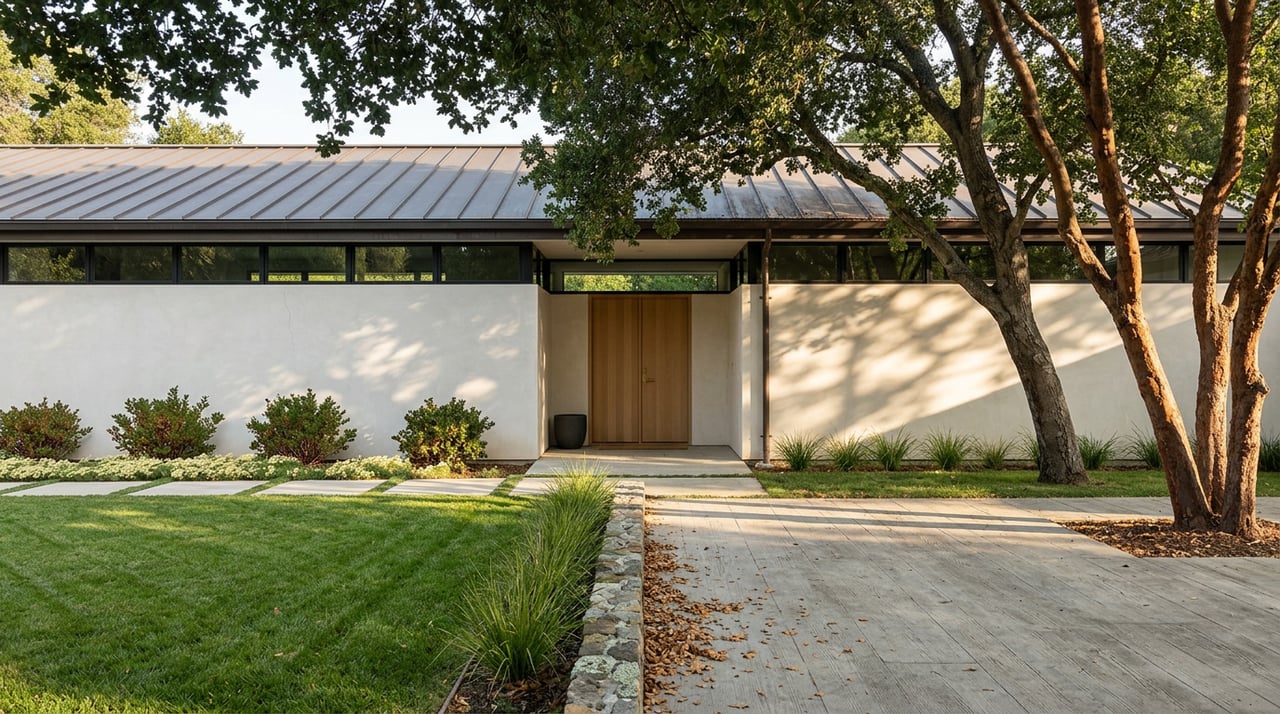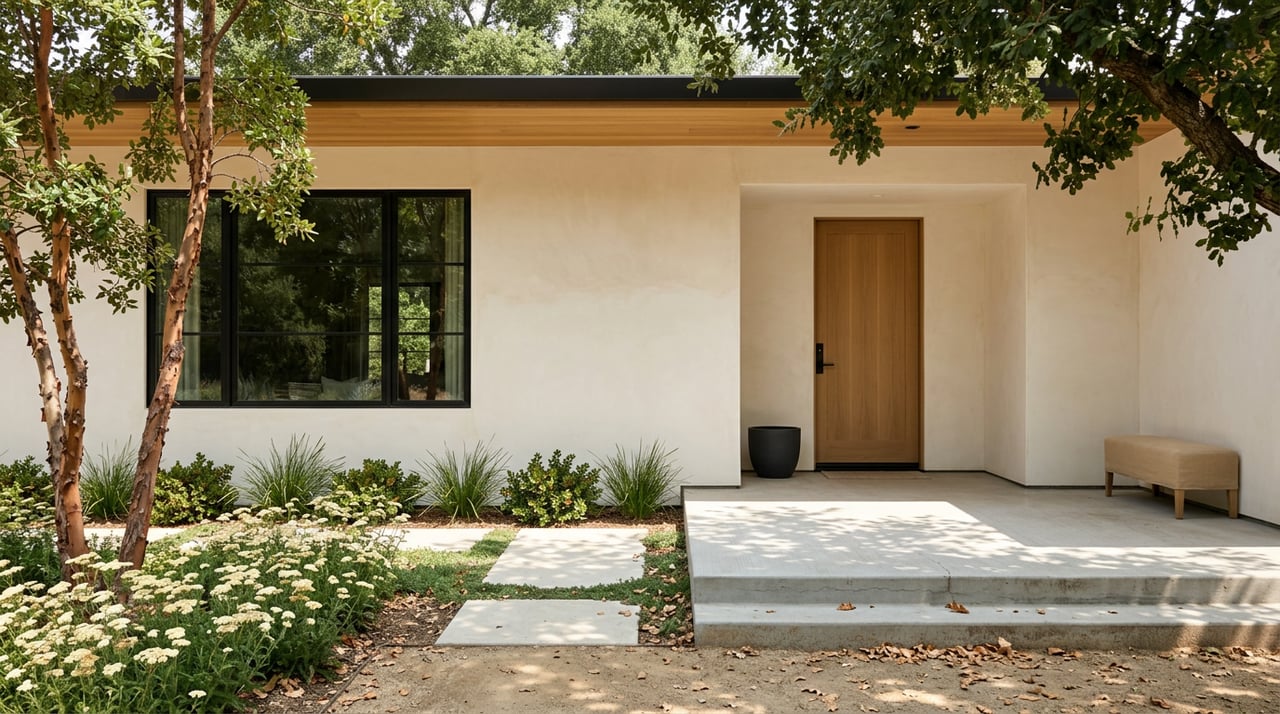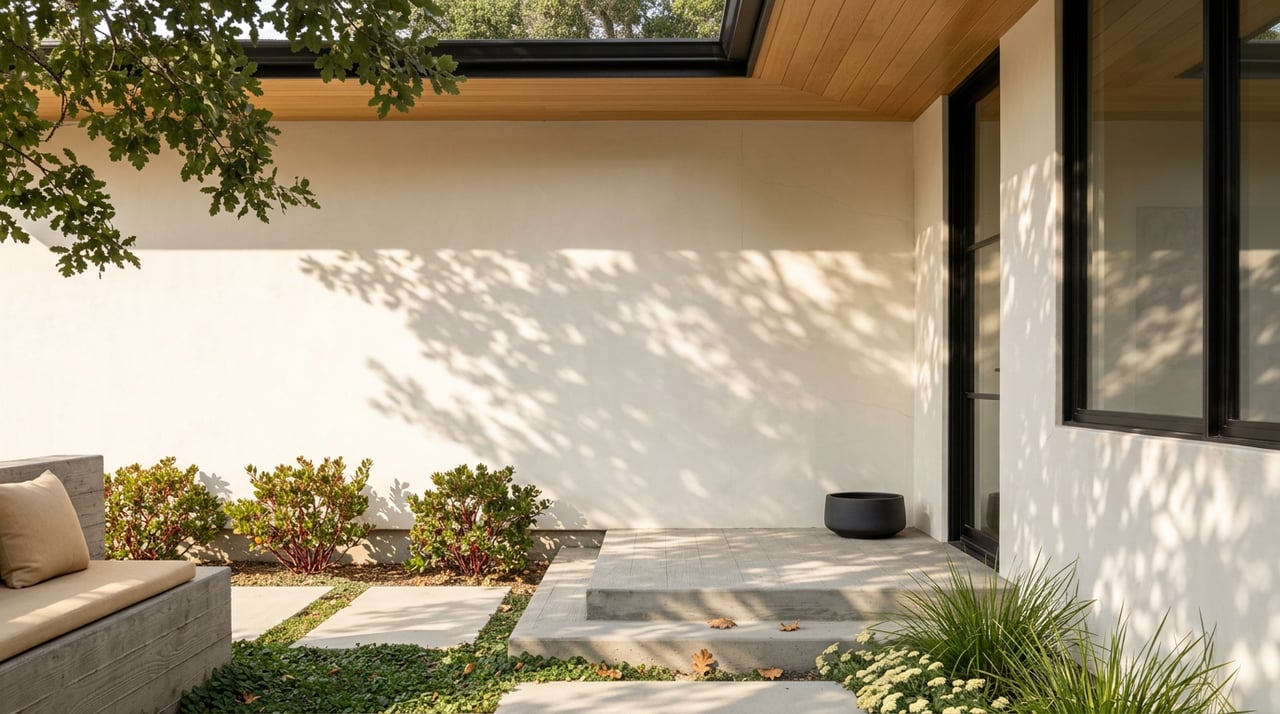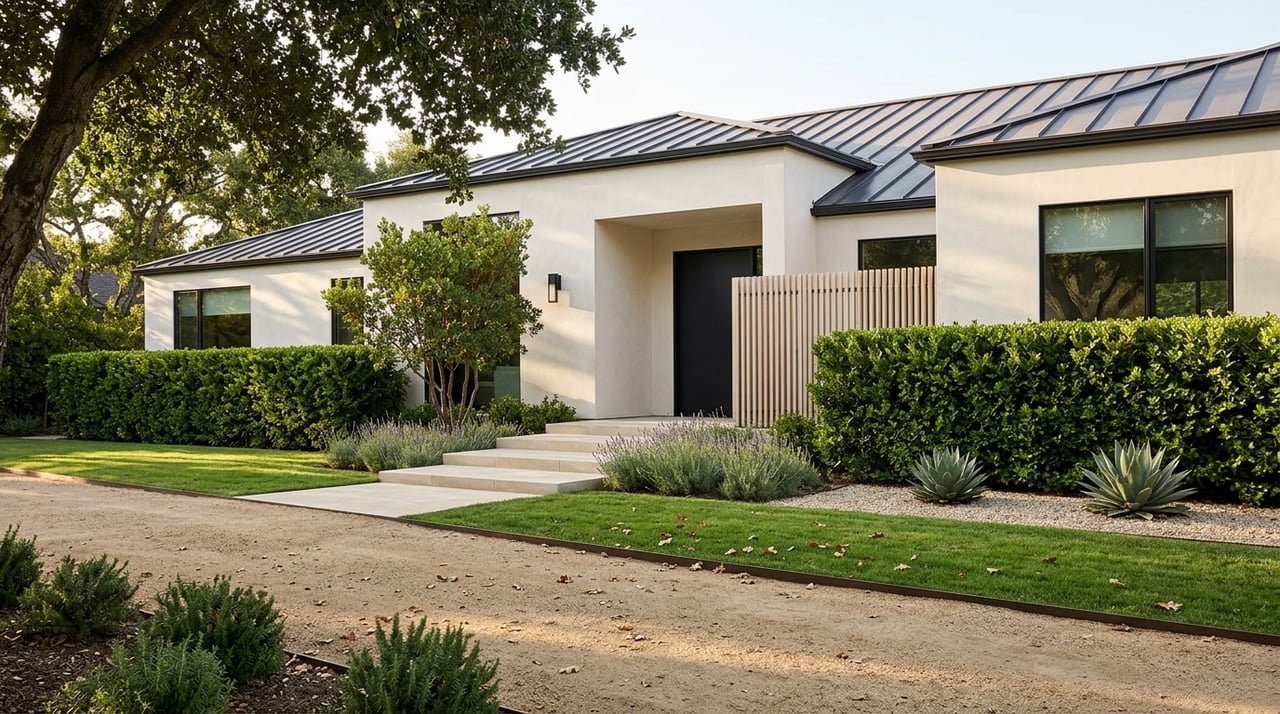
If privacy, elbow room, and a quiet, park-like setting are on your wish list, Atherton belongs at the top. This small Peninsula town is known for its estate feel: generous lots, mature trees, and a calm pace that puts space first. If you are weighing a move, you want a clear picture of daily life, tradeoffs, and how the market works here. This guide breaks it down so you can decide if Atherton aligns with your goals. Let’s dive in.
Atherton at a glance
- Location and scale: Atherton sits on the mid-Peninsula in San Mateo County, next to Menlo Park and Palo Alto. The town covers about 5.02 square miles of land.
- Population and households: About 7,188 residents and roughly 2,227 households, per Census QuickFacts. Median household income is reported as $250,000+ in the public table.
- Defining character: Atherton is a low-density, estate-focused town with large lots, a dense tree canopy, and very high property values.
For authoritative figures and definitions, review the latest Census QuickFacts for Atherton and the Town’s General Plan overview.
What privacy and space look like here
Atherton’s General Plan guides most residential land as “Single Family, Low Density.” Much of the town plans around one home per net acre, which is a key reason properties feel secluded. Nearly all housing is single-family, with long driveways, deep setbacks, and mature landscaping that screens homes from view. This pattern creates the quiet, estate-level privacy many buyers seek.
If you have heard that “every lot is an acre,” that is not fully accurate. The Town’s Land Use Element sets ranges and references, and some legal parcels are smaller due to legacy subdivisions. The big picture is simple: the one-acre framework is common and shapes the town’s scale, but there is variation. You can see these policies in the Town’s Land Use Element PDF.
Streets that feel rural
Atherton’s streetscape leans scenic and quiet. Many areas do not have sidewalks, which preserves a rural, park-like feel. You will drive for most errands, and biking or walking happens mainly on wider streets and near parks. The Town’s planning materials note this streetscape choice; see the Land Use Element for context.
Green by design
A dense canopy of oaks, redwoods, bays, and cedars defines Atherton’s look. The Town and local volunteers emphasize preservation, which keeps streets shaded and lots lush. Holbrook‑Palmer Park, a 22‑acre green anchor, hosts gatherings, arts, and family events. Explore the park’s priorities in the Holbrook‑Palmer Park Master Plan and learn about community tree care through local volunteers at the Atherton Tree Committee. For a snapshot of local context and park references, see the Town’s Demographics page.
Civic life without a downtown
Atherton has virtually no commercial zoning. That means you will grocery shop, dine, and run most errands in neighboring Menlo Park, Palo Alto, or Redwood City. Many residents also connect through private institutions and schools nearby, along with volunteer groups that support trees, parks, and local programming. This model keeps the town quiet and residential by design. The absence of a traditional main street is intentional and noted in the Town’s Land Use Element.
Holbrook‑Palmer Park functions like Atherton’s living room, hosting seasonal events and community gatherings. If you value a calm, private home base and do not mind driving a few minutes for a coffee or dinner, this setup works well.
Schools and learning options
Atherton does not operate a town school district. Depending on your home’s location, children may attend nearby public districts such as Las Lomitas Elementary (with La Entrada Middle) and Menlo‑Atherton High School in the Sequoia Union High School District. There are also well‑known private schools in and around the town. To understand one of the elementary feeder districts, review the Las Lomitas Elementary School District overview. Always verify specific school assignments by address.
Getting around and your commute
Atherton’s central Peninsula location puts you close to Stanford, Palo Alto, and Menlo Park job centers. Car trips to these neighbors are usually short, though peak‑hour traffic can extend times. One key transit note: Caltrain closed Atherton’s station in late 2020. If you ride the train, you will use the Menlo Park or Redwood City stations; see local coverage of the Caltrain station closure.
The housing market, in context
Atherton ranks among the most expensive residential markets in the country. How you measure it matters. Median sale price, median list price, and a “typical home” index all define value differently, and small monthly sales counts can swing any single number. A single ultra‑luxury closing can move the median sharply.
If you are tracking the market, focus on 6‑ to 12‑month rolling medians and neighborhood‑level context to filter month‑to‑month noise. Product mix varies from historic estates to contemporary compounds and pockets of mid‑century homes, so apples‑to‑apples comparisons take care. At the top end, many deals close all‑cash or off‑market, which means public data can lag what is happening in real time.
Day‑to‑day living realities
Atherton’s lifestyle is defined by privacy, space, and greenery. You will plan your shopping, dining, and services in nearby downtowns and rely on a car for most trips. Many residents invest in landscape care, tree management, and home services to keep properties in top shape. Property taxes and insurance reflect high assessed values and the scale of the homes.
What owning an estate in Atherton really means
- Ongoing landscape and tree care to maintain privacy, safety, and health of mature canopies.
- Regular exterior maintenance for larger footprints: roofs, hardscape, gates, pools, and long driveways.
- Car‑forward errand planning since the town has little commercial zoning and limited sidewalks.
- Budgeting for higher property taxes and insurance that track assessed value and replacement costs.
- Coordinating trusted vendors for discreet, efficient upkeep across a larger site.
For context on streetscapes and land‑use choices that shape daily life, the Town’s Land Use Element provides helpful background.
Who Atherton fits best
- Buyers who prize privacy, land, and separation from neighbors. One‑acre planning and mature trees deliver that buffer.
- Established families and high‑net‑worth professionals who want a quiet base near Menlo Park and Palo Alto job centers.
- Households that enjoy private clubs, at‑home recreation, and hosting in large outdoor spaces.
- Not the best fit for renters seeking a walkable downtown, entry‑level price points, or a local rail commute.
How to approach your search (or sale)
If you are buying, start by clarifying your lot priorities: sun exposure, tree cover, privacy lines, and potential for future improvements. Walk the property to understand layout, setbacks, and how the home sits on the land. Neighborhoods can feel different block to block, so tour during different times of day and visit nearby downtowns to gauge your rhythm.
If you are selling, small, thoughtful upgrades and expert presentation can make a large impact. Many buyers plan to customize, but they still respond to clean lines, light, and move‑in readiness. The right pre‑sale improvements, staging, and targeted marketing help your home stand out in a market where every property is unique.
When you want a discreet, hands‑on strategy that respects your privacy and maximizes results, connect with Tom Correia for guidance, off‑market sourcing, and a free home valuation.
FAQs
Are lot sizes one acre everywhere in Atherton?
- No. The General Plan often plans around one home per acre, but some legal parcels are smaller due to legacy subdivisions. See the Town’s Land Use Element for details.
Does Atherton have a downtown or grocery stores in town?
- Not typically. Commercial uses are very limited, so most residents shop and dine in nearby Menlo Park, Palo Alto, or Redwood City; this is described in the Land Use Element.
Is it easy to commute by Caltrain from Atherton?
- Atherton’s Caltrain station closed in 2020; riders use Menlo Park or Redwood City stations instead. See local reporting on the closure decision.
What is the main public park in Atherton?
- Holbrook‑Palmer Park is the town’s 22‑acre green anchor and event space; learn more in the Holbrook‑Palmer Park Master Plan.
How reliable are Atherton home‑price headlines month to month?
- Use caution. Few monthly sales and occasional ultra‑high closings can swing medians; track 6‑ to 12‑month trends and neighborhood context rather than single‑month headlines.