Thinking about buying an Eichler in Old Palo Alto or across town, but not sure how to evaluate one with all that glass and midcentury character? You are not alone. These homes are special, and they reward buyers who understand their design, systems, and the right way to modernize. In this guide, you will learn what to look for, which inspections matter most, practical upgrade paths, and where to find local resources so you can buy with confidence. Let’s dive in.
Why Eichlers in Palo Alto stand out
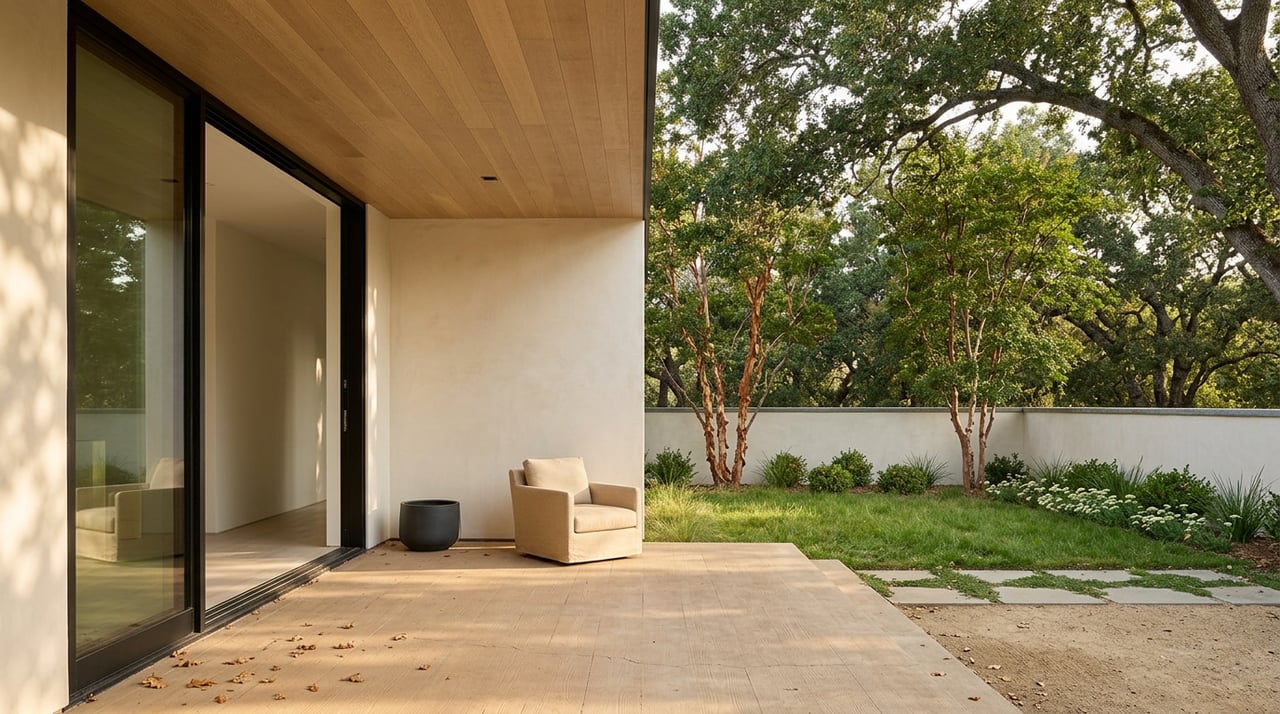
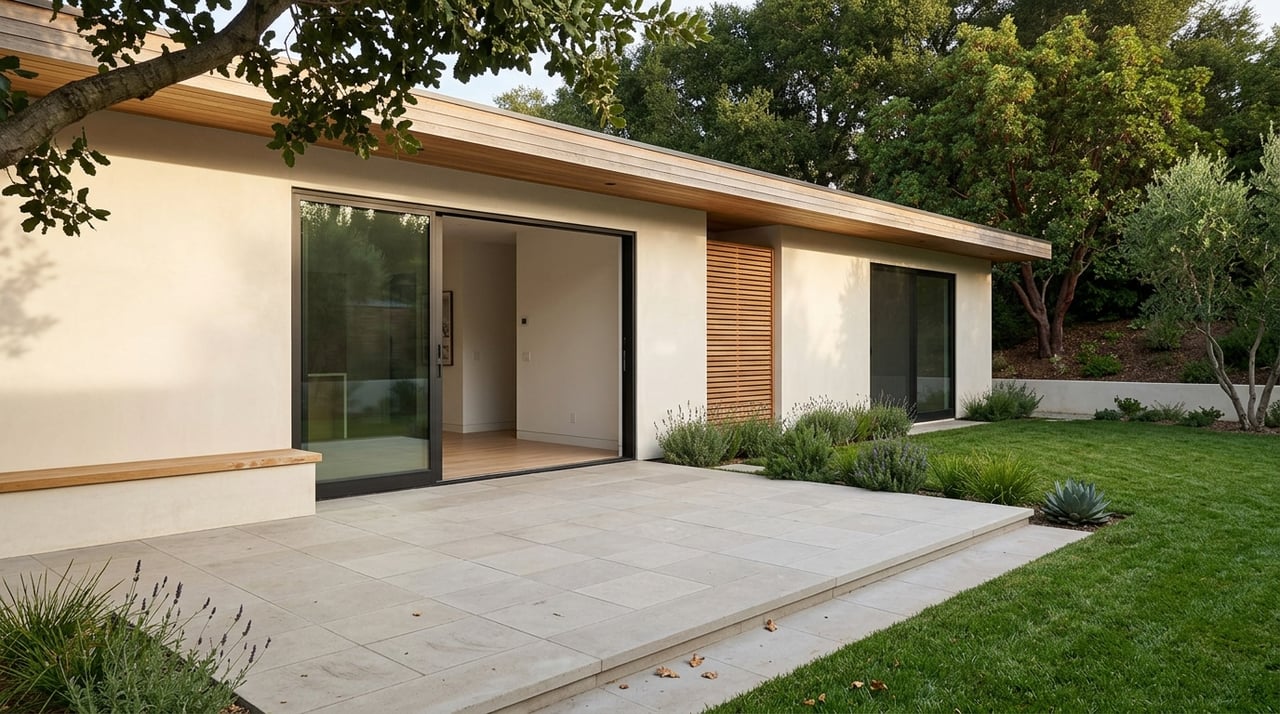
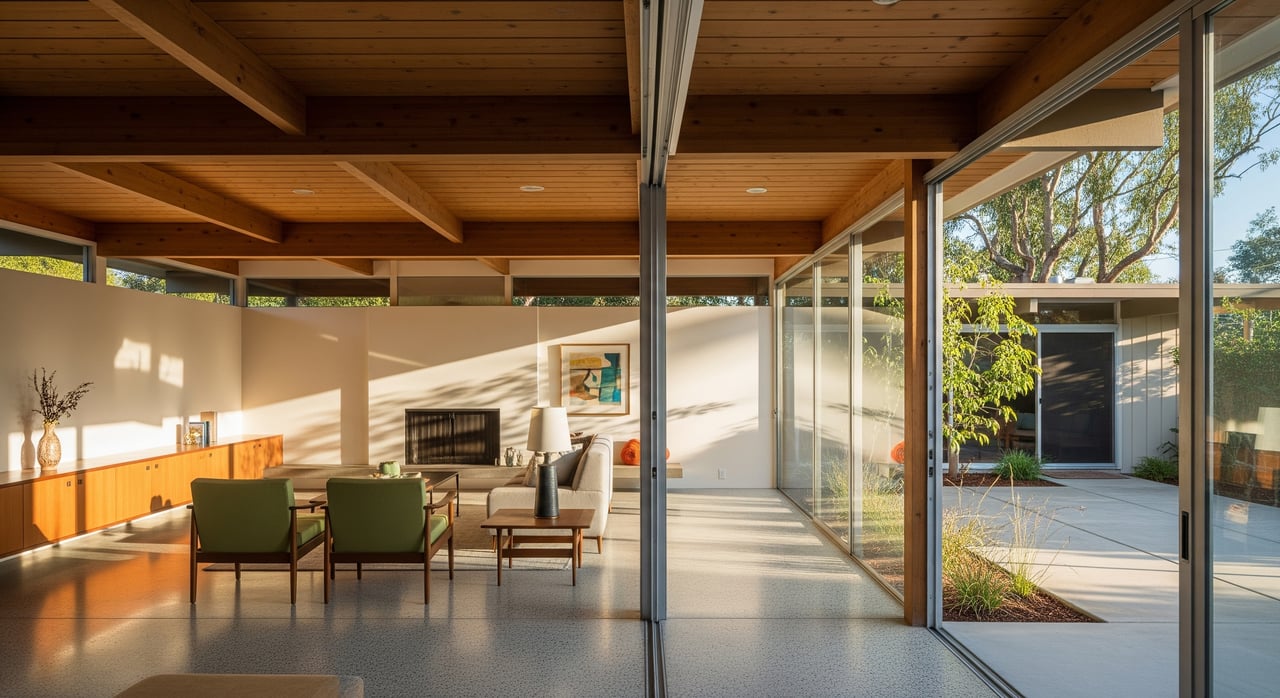
Joseph Eichler’s company built thousands of modern homes in California between 1949 and 1966. In Palo Alto, you will find them in neighborhoods developed during that era, including parts of Old Palo Alto and nearby subdivisions. Buyers are drawn to the open plans, post and beam structure, and the strong indoor and outdoor connection highlighted by big walls of glass.
Local demand is steady because the architecture supports today’s lifestyle. Well cared for or thoughtfully updated Eichlers often see strong interest. If you preserve the defining features while improving comfort and performance, you can appeal to many Peninsula buyers who value authenticity. For background and case studies, the owner community on the Eichler Network and preservation guidance from Docomomo US are helpful starting points.
Hallmarks to look for
Structure and layout
Eichlers use exposed post and beam construction, which allows open rooms without interior load‑bearing walls. Most sit on concrete slabs, not crawlspaces, which affects plumbing access and insulation options. Floor plans are typically single story, with bedroom wings separated from living areas, and many homes feature atriums or enclosed courtyards that act as private outdoor rooms.
Glass, atria, and outdoor flow
You will see large fixed panes, sliding doors, and clerestory windows that bring in light and link rooms to patios and gardens. Atria and planter boxes are common design elements. They create beautiful sightlines, but they also require vigilant waterproofing and drainage to keep moisture away from the interior.
Original systems and materials
Original windows are usually single pane in aluminum or wood frames. Early heating could be minimal or rely on wall units, so do not assume there is modern central HVAC. Electrical and plumbing were installed to mid‑century standards and may need upgrades to meet current codes and today’s loads.
What to inspect before you buy
A general inspection is not enough for a glass‑rich, slab‑on‑grade Eichler. Ask for inspectors with Bay Area Eichler experience and focus on these items.
Roof and structure
Low‑slope or flat roofs deserve close attention. Have the inspector review the membrane condition, flashing, and drainage. Water intrusion from poor drainage or failed flashings is a common source of interior damage. Also review post and beam connections for wood decay or termite activity, especially where exterior soils or planters meet structural members.
Slab and plumbing
Look for slab settlement or cracking and ask about past plumbing leaks in or below the slab. It is wise to camera‑inspect the sewer lateral, since older piping can fail over time. In Santa Clara County, sewer laterals may be a homeowner responsibility, so understanding condition and replacement needs is important during contingencies.
Atria, planters, and drainage
Confirm that atrium and planter waterproofing is intact and drains correctly. Flat sites and integral patios can pool water. You want positive drainage away from the slab and foundations to reduce moisture risk.
Windows and glazing
Single‑pane glass is beautiful, but it is not very efficient. Inspect for fogging, frame rot or corrosion, failed seals, and sticky operable units. Large panes can be expensive to replace, so you should understand condition and options before you close.
Electrical and fire safety
Many post‑war homes benefit from electrical service upgrades. Verify panel age and labeling, grounding, and whether modern safety devices like AFCI and GFCI protection are present.
Hazardous materials
Homes built before 1978 can include lead‑based paint. Some adhesives, roofing compounds, or older finishes can contain asbestos. It is prudent to test before any demolition or invasive work. The U.S. Environmental Protection Agency and OSHA provide clear guidance on safe renovation practices.
Termites and pests
Slab construction reduces wall cavities, but wood at planters, posts, and carports is still vulnerable. A professional termite inspection is common in Palo Alto and can save you from unwelcome surprises.
Pools and mechanicals
If there is a pool, inspect equipment, decking, and safety features. Pools near atriums can amplify moisture issues, so check waterproofing and drainage details.
Smart energy upgrades that fit Eichlers
Eichlers can be energy efficient with the right approach. High glass areas, slab foundations, and low roofs mean you should plan improvements that respect the architecture while boosting comfort.
Windows and glazing options
You can add secondary glazing or storm panels to improve performance without replacing original frames. If you choose replacement, look for thin frames and low‑E coatings that keep midcentury sightlines. Window film can help as a lower‑cost, interim step, but it changes appearance and durability varies. The U.S. Department of Energy offers practical guidance on window performance and retrofit choices.
Insulation and air sealing
Focus on roof and ceiling insulation, since many Eichlers have accessible roof assemblies. Low‑slope roofs require correct detailing to manage condensation. Consider sealing gaps around doors and window perimeters for quick comfort gains. Perimeter or slab insulation is possible, but it is more invasive and is usually part of a larger renovation.
HVAC and electrification
Ductless mini‑split heat pumps work well in open‑ceiling Eichlers and provide flexible zoning. Whole‑house heat pumps can also be an option if ductwork can be accommodated. Heat pump water heaters are a strong upgrade when you modernize mechanical systems. If you tighten the building envelope, add balanced ventilation to maintain indoor air quality.
Solar and energy storage
Flat or low‑pitch roofs can support solar if you plan layout and mounting carefully. Palo Alto has high solar adoption and established permit pathways. Check current programs and rebates with the City of Palo Alto and the regional BayREN program, since incentives evolve over time.
Plan your sequence
Protect finishes by sequencing work correctly. Handle roof and water management first, then structural repairs and mechanical upgrades, then insulation and air sealing, followed by interior finishes. This order reduces rework and protects your budget.
Tasteful updates that keep the soul
The best Eichler remodels preserve the horizontal roofline, exposed beams, and the visual connection to the outdoors. Update performance and function while you keep the design language simple and warm.
What to retain
Keep exposed beams and posts visible and repair them instead of covering them. Preserve sightlines to patios and atria with large glass, or replace glazing in similar proportions. Retain built‑ins and wood paneling when they are in good condition, and use natural materials that echo the original palette.
Kitchens and baths
Choose streamlined cabinetry with horizontal lines and minimal hardware. Integrate modern appliances without blocking light and views. In bathrooms, clean lines, modest tile sizes, and simple fixtures feel true to the era while improving daily function.
Floors and finishes
Many Eichlers have slab concrete, polished concrete, or wood floors. Refinishing or staining concrete can be both practical and authentic. Avoid heavy trim or ornate millwork that competes with the structure’s rhythm.
Exterior and landscape
Strengthen the indoor and outdoor connection with simple planting and well‑detailed patios. If original planters have failed, rebuild them with proper waterproofing or replace them with low‑maintenance, drought‑tolerant options suited to the local climate.
Changes to approach carefully
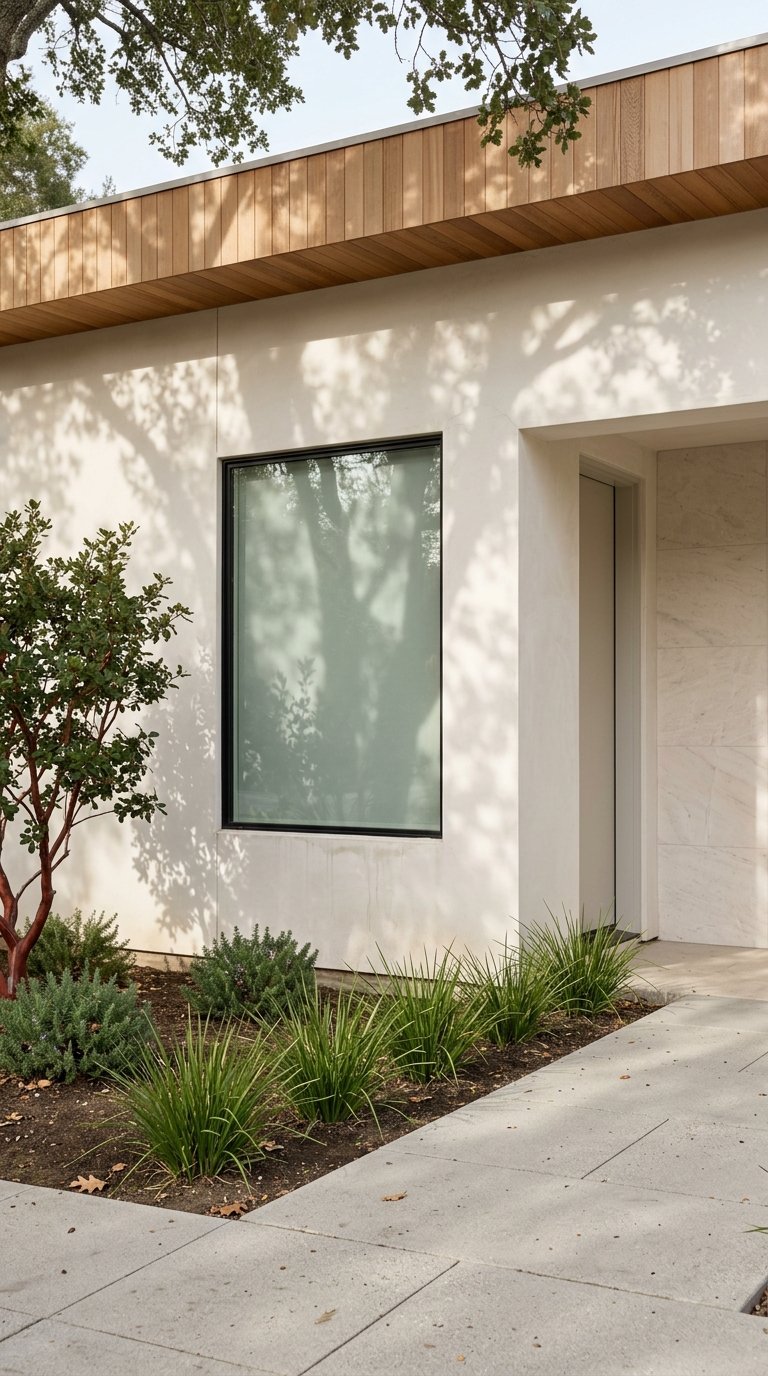
Avoid bulky second stories or additions that disrupt the low, horizontal profile. Be cautious about cladding that hides original wood and texture. Removing large glass walls usually undermines what makes an Eichler special.
For principles that respect modern movement homes, review Docomomo US and the National Park Service Preservation Briefs for technical guidance.
Buyer checklist and questions to ask
Use this quick checklist during contingencies:
- Roof membrane, flashing, and drainage on low‑slope areas
- Atrium and planter waterproofing and drainage
- Slab condition and any history of plumbing leaks
- Sewer lateral inspection, since responsibility may fall to the owner
- Termite inspection and past treatment records
- Electrical service capacity and safety devices (AFCI and GFCI)
- HVAC presence and age, plus feasibility of ductless heat pumps
- Window and frame condition, including seals and operation
- Hazardous materials testing for lead paint and asbestos before demo
Key questions for the seller or listing agent:
- Which renovations were permitted and can you share permit documents?
- How old are the roof, HVAC, and water heater, and what service records exist?
- Any prior moisture, roof, or atrium issues, and how were they repaired?
- Are there termite reports or structural repairs on file?
- Is the property listed on a historic inventory that could affect exterior changes?
Permits and local resources
Most structural, mechanical, electrical, and exterior changes will need permits. Palo Alto also tracks historic resources that may influence exterior work. Start with the City of Palo Alto for permit and historic information, then review best practices from the Eichler Network. For energy retrofit guidance and rebates, check the U.S. Department of Energy and BayREN. Safety and materials information is available from the EPA and OSHA. Broader preservation frameworks can be found at Docomomo US and the NPS Preservation Briefs. For older home resilience planning, see FEMA.
Renovation sequencing that saves headaches
- Resolve water management first. Address roof leaks, atrium membranes, drainage, and any decay or termite issues.
- Upgrade electrical and plumbing to present‑day standards. Increase service capacity and add modern safety protection.
- Improve the envelope. Insulate roof assemblies, seal air leaks, and plan glazing improvements.
- Modernize comfort and efficiency. Add ductless or central heat pumps and balanced ventilation.
- Finish with kitchens, baths, lighting, and interior finishes that match the Eichler aesthetic.
Work with a local guide
Buying an Eichler in Old Palo Alto or across the city is both an architectural decision and a systems decision. You want honest insight on condition, realistic upgrade paths, and which design moves will protect long‑term value. A local, renovation‑savvy agent can help you identify the right homes, source off‑market options, and assemble the inspectors and contractors who know Eichlers.
If you are exploring a purchase or planning updates before you list, connect with Tom Correia for hands‑on guidance rooted in Palo Alto experience and practical renovation know‑how.
FAQs
What defines an Eichler home in Palo Alto?
- Eichlers are midcentury modern homes built from 1949 to 1966 with post and beam construction, open plans, extensive glazing, and indoor and outdoor flow, often including atriums and courtyards.
What are the most important inspections for an Eichler buyer?
- Focus on low‑slope roof condition, atrium and planter waterproofing, slab and plumbing, electrical service, glazing and frames, termite reports, and testing for lead paint or asbestos where appropriate.
Are energy upgrades practical with so much glass?
- Yes, but the strategy matters. Consider secondary glazing or thin‑frame replacements, roof insulation and air sealing, ductless or central heat pumps, and solar planned for low‑pitch roofs.
Do I need permits to renovate an Eichler in Palo Alto?
- Most structural, mechanical, electrical, and many exterior changes require permits, and historic‑resource rules can apply, so start with the City of Palo Alto’s permit and historic resources information.
How do buyers modernize without losing Eichler character?
- Preserve beams, sightlines, and large glass; keep materials simple and warm; update kitchens and baths with minimalist forms; and avoid bulky additions or cladding that hides original features.