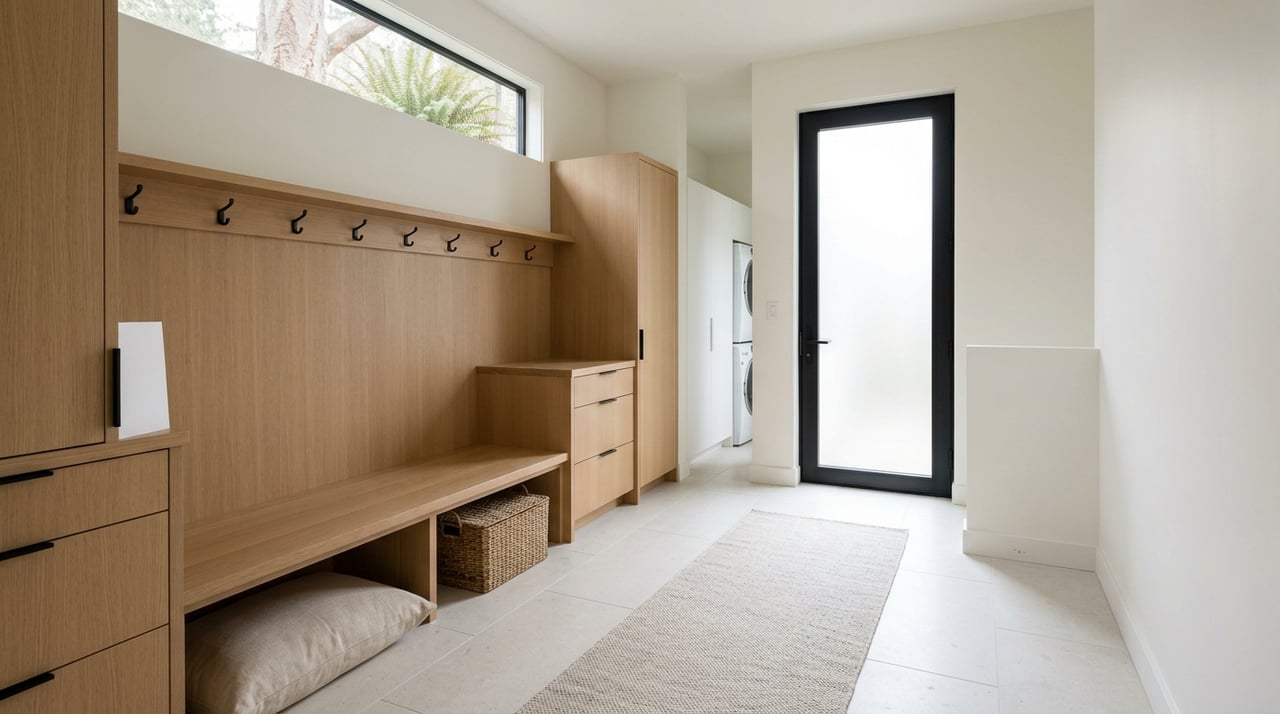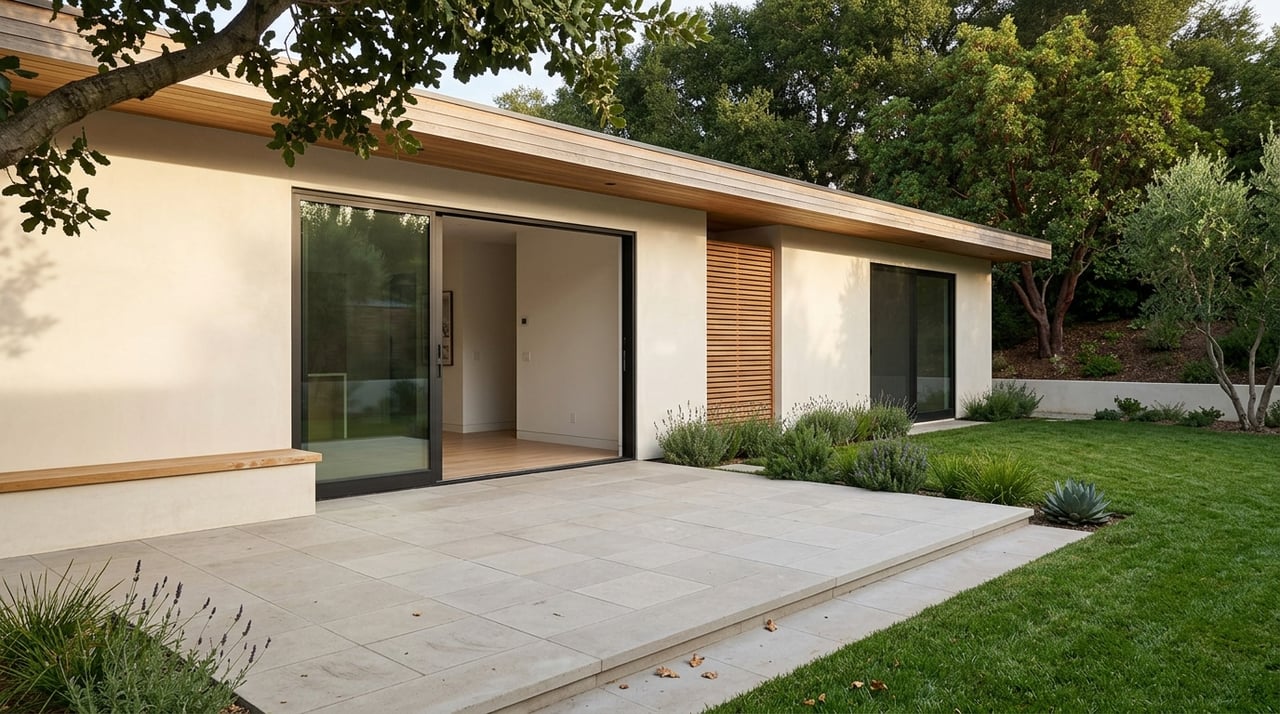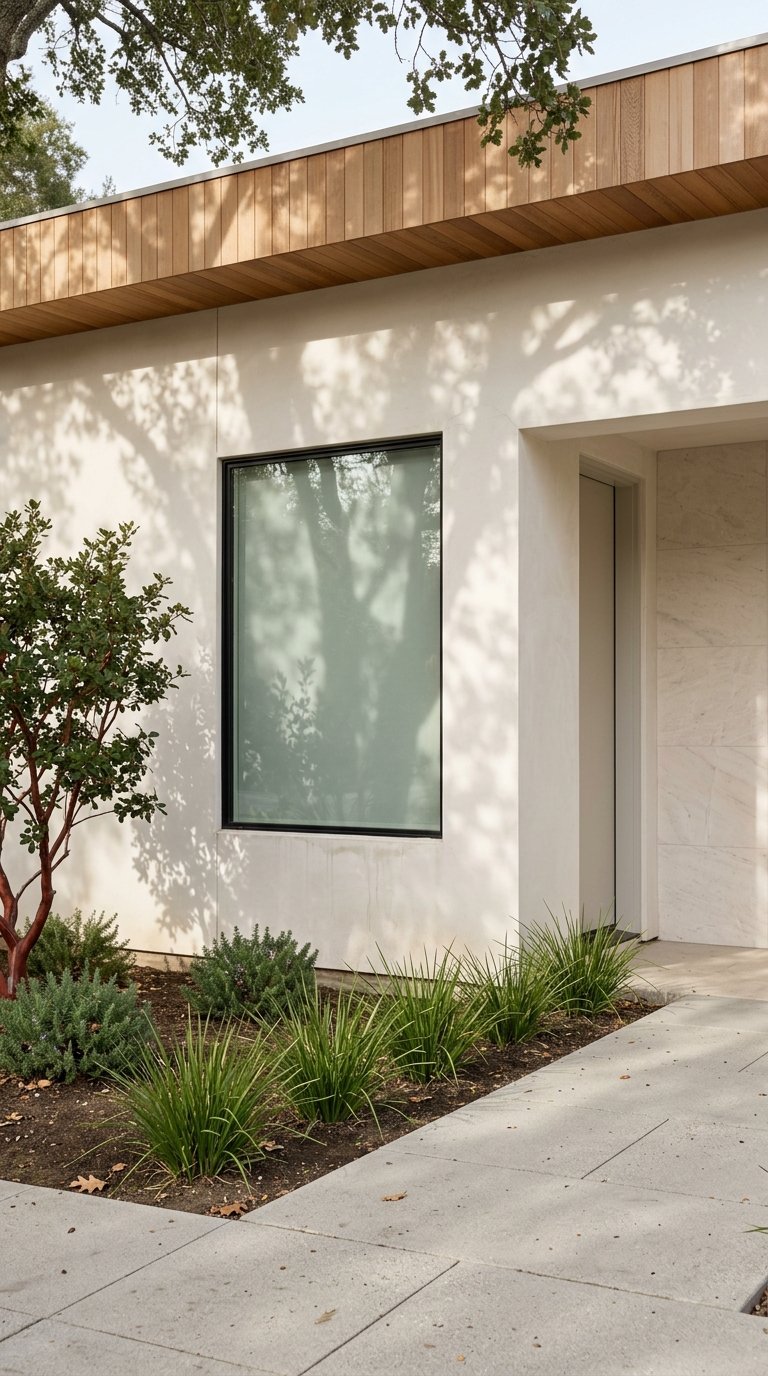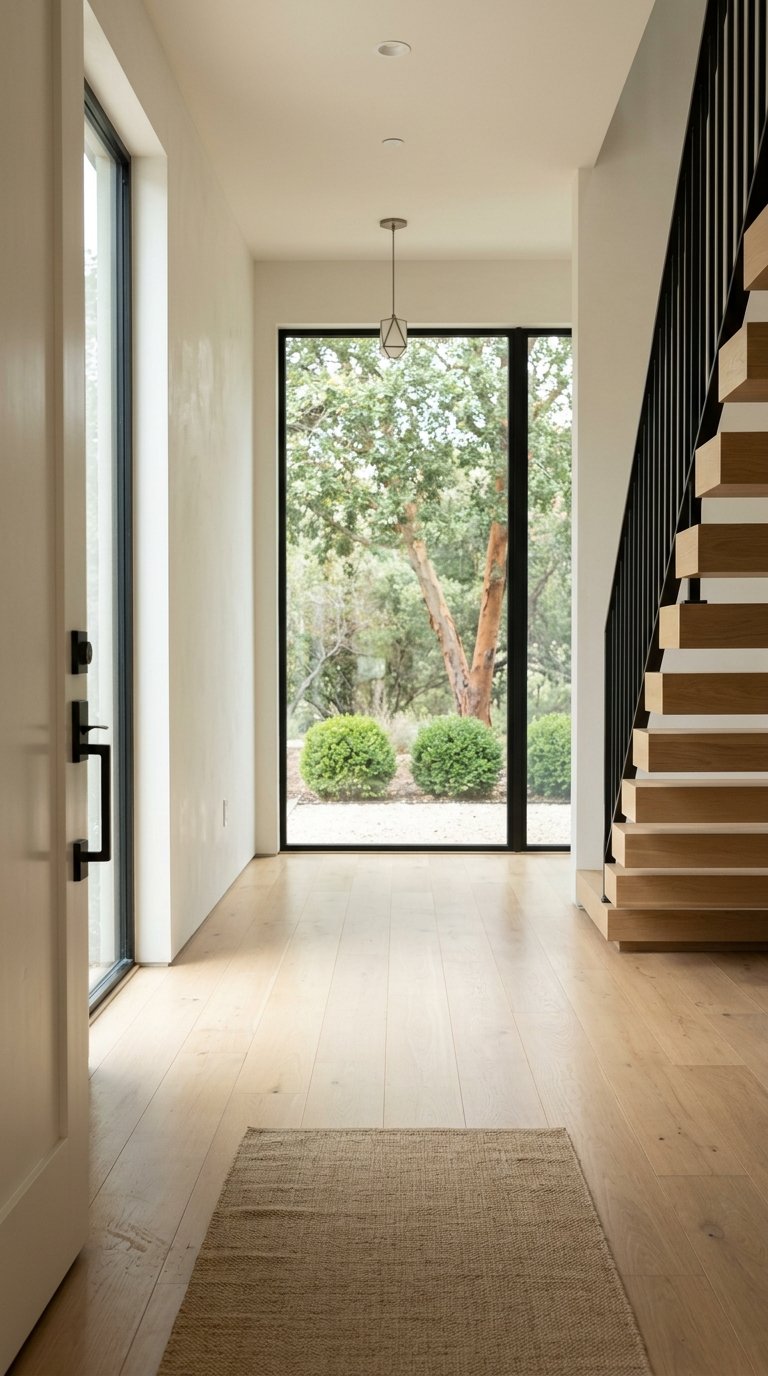
Thinking about fixing up your Palo Alto home before listing it? A smart pre-sale renovation can help your home show better and support a stronger sale, but only if the process is managed carefully from day one. In Palo Alto, paperwork, permits, inspections, and timing all matter, so a rushed project can create stress right when you want a smooth sale. This guide will help you plan the work, avoid common delays, and keep your listing on track. Let’s dive in.
Why process matters in Palo Alto
Palo Alto’s building process is documentation-heavy, and that affects even smaller pre-sale projects. The city uses Accela Citizen Access for permit submittals, checks applications for completeness before formal review, and assigns a Project Coordinator to complete applications. If a submission is incomplete, review can take longer.
That means your renovation timeline should start with your target listing date and work backward. Even relatively straightforward updates can involve permit intake, plan review, inspections, and final closeout documents. If you skip that planning, you can end up with unfinished paperwork at the exact moment buyers start asking questions.
The city’s kitchen and bathroom checklist also references the 2025 California Building Standards Code. In practical terms, that tells you pre-sale work in Palo Alto is not something to treat casually, even when the job seems simple.
Set the renovation scope early
One of the biggest ways to keep a project smooth is to define the scope before hiring anyone. In Palo Alto, some work is clearly cosmetic, while other work requires permits or even a separate approval before a building permit can be issued.
The city says building permits are required for projects such as home remodels, re-roofs, mechanical work, electrical work, plumbing work, ADUs, and similar residential improvements. Some minor jobs may qualify for an instant permit, including certain kitchen or bath remodels within the existing footprint, like-for-like re-roofs, same-size window or sliding-door retrofits, and some HVAC or water-heater replacements.
That distinction matters because permit timing affects your sale timing. If you know up front what work is cosmetic and what work needs city review, you can make better decisions about what is worth doing before you list.
Exterior changes may need more than a permit
If your project changes the exterior of the home, Palo Alto says a Planning Entitlement may be required before the Building Permit. This can apply to things like new exterior openings, façade changes, additions, or visible site changes.
For sellers, this is a major checkpoint. An exterior improvement that seems like a quick value-add can turn into a longer approval path if you do not confirm requirements first.
Tree rules can affect timing
Protected trees can also shape your renovation schedule. Palo Alto says protected tree removals on residential properties may require a Tree Removal Permit.
If a protected tree removal is part of development, the city says that tree permit should be obtained before the building permit application to avoid delays. If your project touches landscaping, access, or site layout, this is worth checking early.
Debris boxes need planning too
Even job-site logistics can slow you down if you do not plan ahead. Palo Alto prefers debris boxes and storage containers to be placed on private property.
If a debris box must go in the public right-of-way, the city requires an Encroachment Permit. The city also says construction-material or tool-storage containers are not allowed in the right-of-way, so staging the job site properly matters.
Hire contractors with clear paperwork
In California, the legal basics around contractor hiring are important risk control for any pre-sale project. For home-improvement jobs over $500, a written contract is required.
According to the Contractors State License Board, that contract should spell out the scope of work, materials, price, payment schedule, permit responsibility, completion date, contractor identity, business address, license number, and warranty terms. If the scope changes, change orders should also be written and signed.
Clear paperwork helps you in two ways. First, it keeps the project more organized while work is underway. Second, it gives you a cleaner file for buyer questions and disclosures once the home goes on the market.
Compare bids the right way
CSLB advises getting at least three written bids, verifying the contractor’s license status, checking insurance, and comparing bids based on the same scope. That last point is especially important.
A lower number is not always a better number if the contractor is pricing a different scope or leaving out key items. When all bidders are working from the same plan, it is much easier to judge cost, timeline, and risk.
Know the down payment rule
CSLB also says home-improvement down payments cannot exceed 10% of the contract price or $1,000, whichever is less, unless a narrow bond exception applies. If you are managing several vendors at once, this rule can help you spot terms that deserve a closer look.
Keep change orders under control
One of the easiest ways to derail a pre-sale renovation is to keep changing the plan midstream. Every new idea can affect bids, permits, materials, inspections, and timing.
A better approach is to define the scope once and keep it stable unless there is a clear reason to adjust it. That usually makes costs more predictable and keeps the work aligned with your actual sale goals.
Watch for lead-safe renovation issues
If your home was built before 1978, renovation work that disturbs painted surfaces deserves extra care. The EPA recommends using a lead-safe certified contractor for renovation, repair, or painting work in pre-1978 homes.
The agency also notes that homes built before 1978 are more likely to contain lead-based paint, and that sanding, cutting, and window replacement can create hazardous lead dust. If your pre-sale work includes these activities, this is an important hiring and planning step.
Build the timeline around permits and inspections
A smooth pre-sale renovation is usually less about speed and more about sequencing. In Palo Alto, permit review and inspection steps can affect the listing calendar just as much as the construction itself.
The city says permit applications and issued permits expire after 12 months if the work is not completed. If a permit expires, reactivation may be required, and the Chief Building Official may grant no more than three extensions or reactivations.
That makes schedule discipline important. If you start too early and let work drift, or start too late and run into permit bottlenecks, your listing plan can get squeezed from both sides.
Final inspection needs special attention
Palo Alto allows inspections to be scheduled through the city app or ACA, but final inspections must be scheduled by phone. That small detail can matter in a tight timeline.
When you are trying to move from renovation to staging to market launch, the final sign-off is not something to leave for the last minute. It should be part of the plan from the beginning.
Keep your documentation sale-ready
When work is done shortly before a sale, documentation becomes part of the value story. Buyers often want to understand what was updated, who did the work, and whether the process was completed properly.
Useful records can include permit history, invoices, warranties, contractor reports, arborist reports, and inspection sign-offs. Palo Alto also provides Permit View and an Online Parcel Report so owners and agents can research permit activity and past projects.
Having a complete file can make your listing easier to explain and easier to trust. It can also reduce friction when questions come up during escrow.
Understand disclosure expectations
California requires a Real Estate Transfer Disclosure Statement for the condition of the property. California law also requires disclosure of mapped natural hazard zone information when a property is in a covered zone, and waiver of those hazard-disclosure requirements is void as against public policy.
There is also a separate practical reason to keep your renovation file organized. California real estate agents have an independent duty to conduct a reasonably competent and diligent visual inspection of accessible areas and disclose material facts affecting value, desirability, and intended use.
The state’s guidance also says agents do not have to inspect areas that are not reasonably accessible, off-site areas, or public records and permits in the ordinary course of that visual inspection. That is why seller-side records matter so much when recent work is involved.
Common pre-sale renovation mistakes
A few issues come up again and again in Palo Alto pre-sale projects. Most of them are avoidable with early planning and steady management.
Common pitfalls include:
- Starting exterior work before checking whether Planning Entitlement is required
- Ignoring protected-tree rules that can affect permit timing
- Placing dumpsters in the street without an encroachment permit
- Hiring unlicensed or underinsured contractors
- Approving change orders without writing and signing them
- Letting a permit drift toward expiration before final inspection
Each one can create delays, documentation gaps, or buyer concerns. None of those problems help your sale.
How a hands-on local agent helps
Pre-sale renovation is not just about construction. It is also about aligning scope, timing, paperwork, and marketing so the home is ready to launch cleanly.
A hands-on local listing agent can help coordinate the initial walk-through, narrow the scope, sequence contractor bids, track permit status, collect documents, and keep the disclosure file aligned with the work performed. That kind of coordination can reduce stress and help you make practical decisions without over-improving.
In a market like Palo Alto, details matter. The goal is not simply to renovate. The goal is to prepare the home thoughtfully, stay organized, and bring it to market with confidence.
If you are considering pre-sale updates and want a practical plan built around your timeline, scope, and likely return, Tom Correia can help you prepare your Palo Alto home for a smooth, well-managed sale.
FAQs
What permits are commonly needed for pre-sale renovation in Palo Alto?
- Palo Alto says permits are commonly required for home remodels, re-roofs, mechanical work, electrical work, plumbing work, ADUs, and similar residential improvements. Some smaller projects may qualify for an instant permit, depending on the scope.
What exterior renovation work in Palo Alto may need extra approval?
- If the project changes the exterior of the house, Palo Alto says a Planning Entitlement may be required before the Building Permit. This can affect timing for items like façade changes, additions, and new exterior openings.
What contractor paperwork should sellers get for a California pre-sale renovation?
- For projects over $500, California requires a written home-improvement contract. CSLB says the contract should include the scope, materials, price, payment schedule, permit responsibility, completion date, license information, and warranty terms, with written signed change orders for any revisions.
What should sellers save after renovation work in Palo Alto?
- Sellers should keep documentation such as permit history, invoices, warranties, contractor reports, arborist reports, and inspection sign-offs. These records can help answer buyer questions and support a cleaner disclosure file.
What inspection detail can affect a Palo Alto listing timeline?
- Palo Alto says inspections can be scheduled through the city app or ACA, but final inspections must be scheduled by phone. That step should be planned early if you are working toward a specific listing date.
What are common pre-sale renovation delays in Palo Alto?
- Common delays include incomplete permit submissions, unplanned exterior approvals, tree-permit issues, right-of-way placement problems for debris boxes, undocumented change orders, and permits that approach expiration before final inspection.